

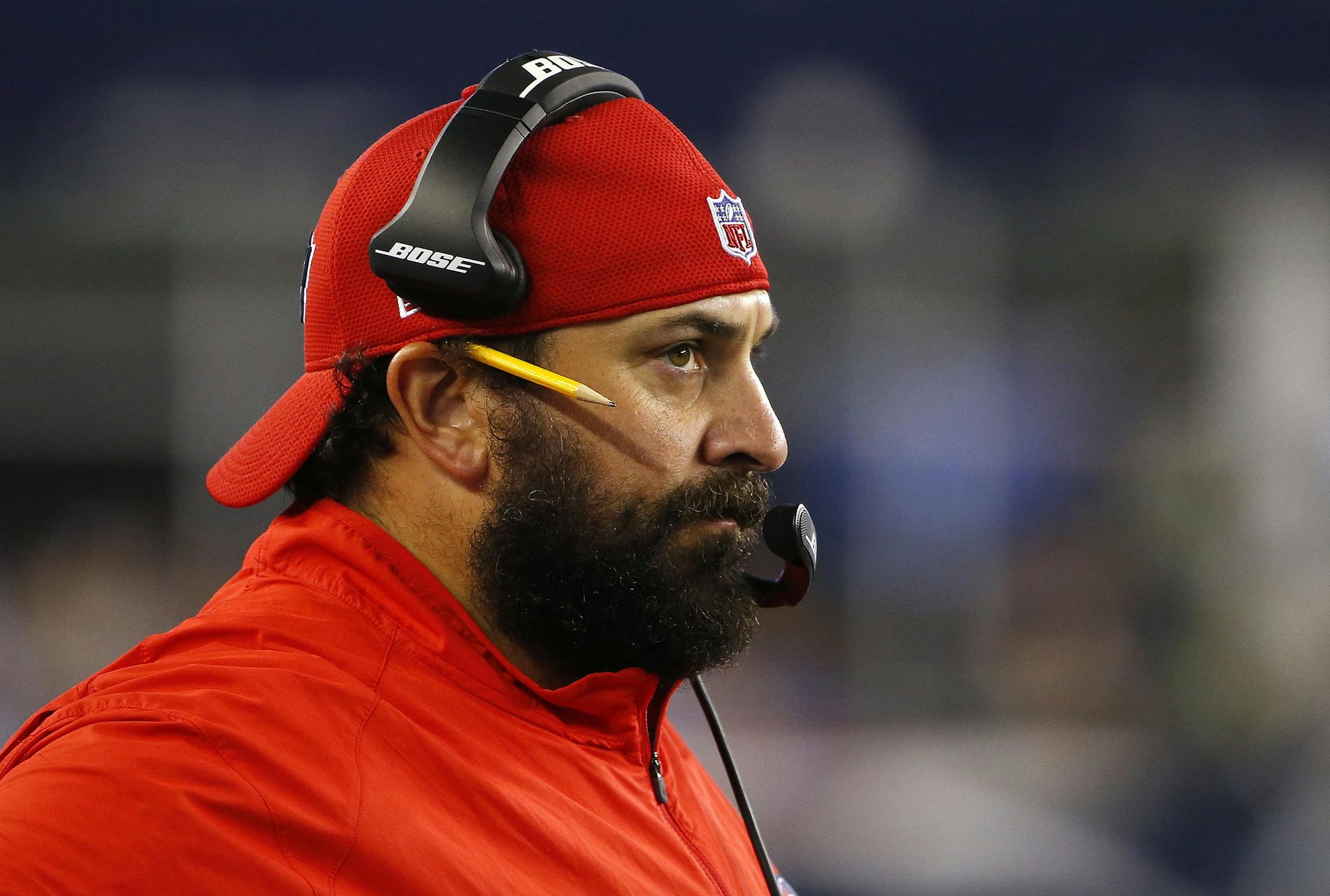
Cornerback Eric Rowe said you can see the change in the Patriots defense when it is in the red zone.
"Everyone tightens up. Everyone is alert," Rowe said. "Awareness is heightened. … When we're getting down there, you can tell in our body language that we need to tighten up now."
Linebacker David Harris said the Patriots have a term for what they need to do in that part of the field, one that involves an explicit reference to a part of the opponents' anatomy — and one not fit for a family newspaper.
"It gets intense inside that red zone," Harris said with a laugh.
The Patriots enter Super Bowl LII with perhaps the NFL's most curious defense. It is a unit of statistical extremes, but one that has shown up when and where it matters — in its own territory, specifically as teams try to score touchdowns. It's also a defense that has made significant strides after an atrocious first five weeks and has become the poster child for the bend-but-don't-break philosophy. When you have an offense as prolific as the Patriots do behind Tom Brady, keeping opponents out of the end zone is all the defense has to do.
"Field goals won't beat you — unless your offense isn't doing anything — but touchdowns will," Rowe said. "We try to pride ourselves on not giving up any red-zone touchdowns."
They have been successful at that, even if they are lacking in other areas. The Patriots defense allowed the most yards per drive of any team during the regular season, according to sports data company Sport- radar, at 35.3 per drive.
"We're fired up when we give up them yards," Patriots linebacker Marquis Flowers said. "We don't want to give up them yards. We're good enough to not give up them yards. But it's the NFL, obviously everybody is good.


