
Reusse: Latest generation of Pohlads has made it clear Twins are a business

An organization that was thick with camaraderie for decades appears to be a different entity with Derek Falvey’s departure.

Columnist Icon
The Minnesota Star Tribune
January 31, 2026 at 2:57PM
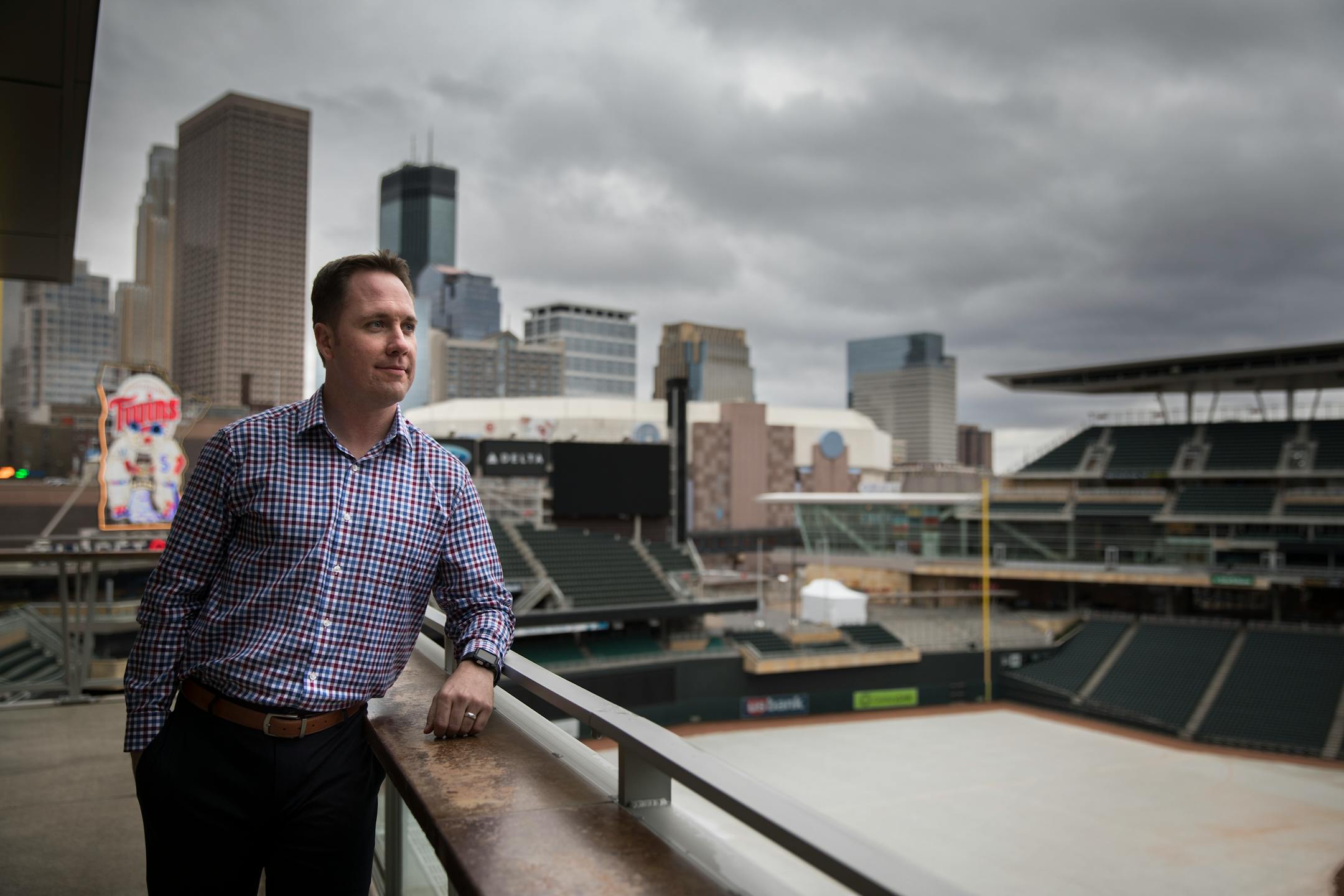
Derek Falvey pictured in December 2016, a month after taking over the Twins baseball operation. Falvey stayed in that role for nine seasons. (Leila Navidi/The Minnesota Star Tribune)

The Twins’ first decade in Minnesota was a honeymoon that included a World Series, an All-Star Game, a Great Race and the first two American League West division titles. In the 55 seasons that have followed, the Twins have had 23 winning seasons, 29 losing seasons and three that were .500.

There was glory with two World Series titles in a five-season stretch (1987 and 1991), eight consecutive losing seasons soon thereafter, and more losing than not in the 16 seasons since splendid Target Field opened in 2010.

The downturns always included proclamations from the baseball intelligentsia that the organization had to modernize its approach in choosing, developing — and paying — players. They still had too many old-timers hanging around the ballpark, even after 33-year-old Derek Falvey took charge of the baseball operation in November 2016, in the opinion of some.

As an old-timer, I wasn’t one of those.

There was a degree of infighting among a few of original owner Calvin Griffith’s main executives, but camaraderie toward the minions and even the media never waned in the Griffith Operation.

I mean, no matter how upset the Twins might have been at a sports writer covering the team, if you were at the winter meetings, you still would get an invite to Calvin’s birthday dinner in an expensive restaurant in the host city.

Mr. Griffith’s Twins never skimped on food.

And do you want loyalty? Wayne Hattaway rates among the five zaniest characters I’ve met in a long life. He couldn’t have made it to Grade 12, even in his home state of Alabama, but he did enough laundry and taped enough ankles to be employed as a combination equipment manager/trainer in a Twins farm system running on sparse budgets.

ADVERTISEMENT

That little old guy with the big mustache sitting in the dugout for a few seasons when Ron Gardenhire was manager — that was Wayne, the “Big Fella,” retired, with several players picking up his travel expenses.

There was something grand about showing up early in spring training in Orlando or Fort Myers, Fla., and knowing this would be Big Fella’s greeting: “You’re fatter than you were last year.”

Tom Kelly would be in the Fort, hitting endless ground balls long after his 2000 retirement as manager, and former executive Billy Smith would be cruising through offices and the box after he was off the payroll, and the sight of Terry Ryan scouting a game for another organization after his departure as general manager in 2015 would bring shouted greetings in his direction.

The organization changed when Falvey and the analytic crowd took over. Paul Molitor was fired as manager in 2018, one season after being named AL Manager of the Year. In a bow to what was always the Twins Way, the great Mollie can be heard occasionally on the team’s broadcasts.

Part of this commitment to Twins figures of yore came from Dave St. Peter, a North Dakotan who started off in the mail room at the Metrodome and spent 22 years as the team president before resigning in November 2024. Falvey was given the title of team president (for business) to go with being in charge of baseball.

This also cleared the way for Joe Pohlad, representing the third generation of Pohlad ownership, to have more clout as chairman of the ownership group.

St. Peter offered several fine reasons for stepping down, and he did stick around to provide counsel, but this change near the top was the clearest sign of this:

The “Third Generation” — often feared in the business world — was preparing to turn the old back-slapping, how-ya-been Twins organization into 100% business.

There was talk of a team sale, and then that passed, and Joe got dumped in favor of older brother Tom. And he came up with three partners to take more than 20% for $350 million — meaning nobody was safe from this new financial, multi-partnered world in Twinsdom.

That became clear on Friday morning, Jan. 30, when Falvey’s departure — by “mutual agreement,” of course — was announced. Joe had given Falvey more power more than a year earlier, but Tom’s vision for the Twins’ business future didn’t fit Falvey’s, apparently.

After 65 years, this is the new, less-chummy Twins operation. Many will applaud that as much-needed.

Not me. I’ll always miss the Big Fellas of my favorite ballclub’s past.

about the writer

about the writer

Patrick Reusse

Columnist

Patrick Reusse is a sports columnist who writes three columns per week.

See Moreicon

More from Twins

See More
card image
Leila Navidi/The Minnesota Star Tribune

An organization that was thick with camaraderie for decades appears to be a different entity with Derek Falvey’s departure.

card image
card image