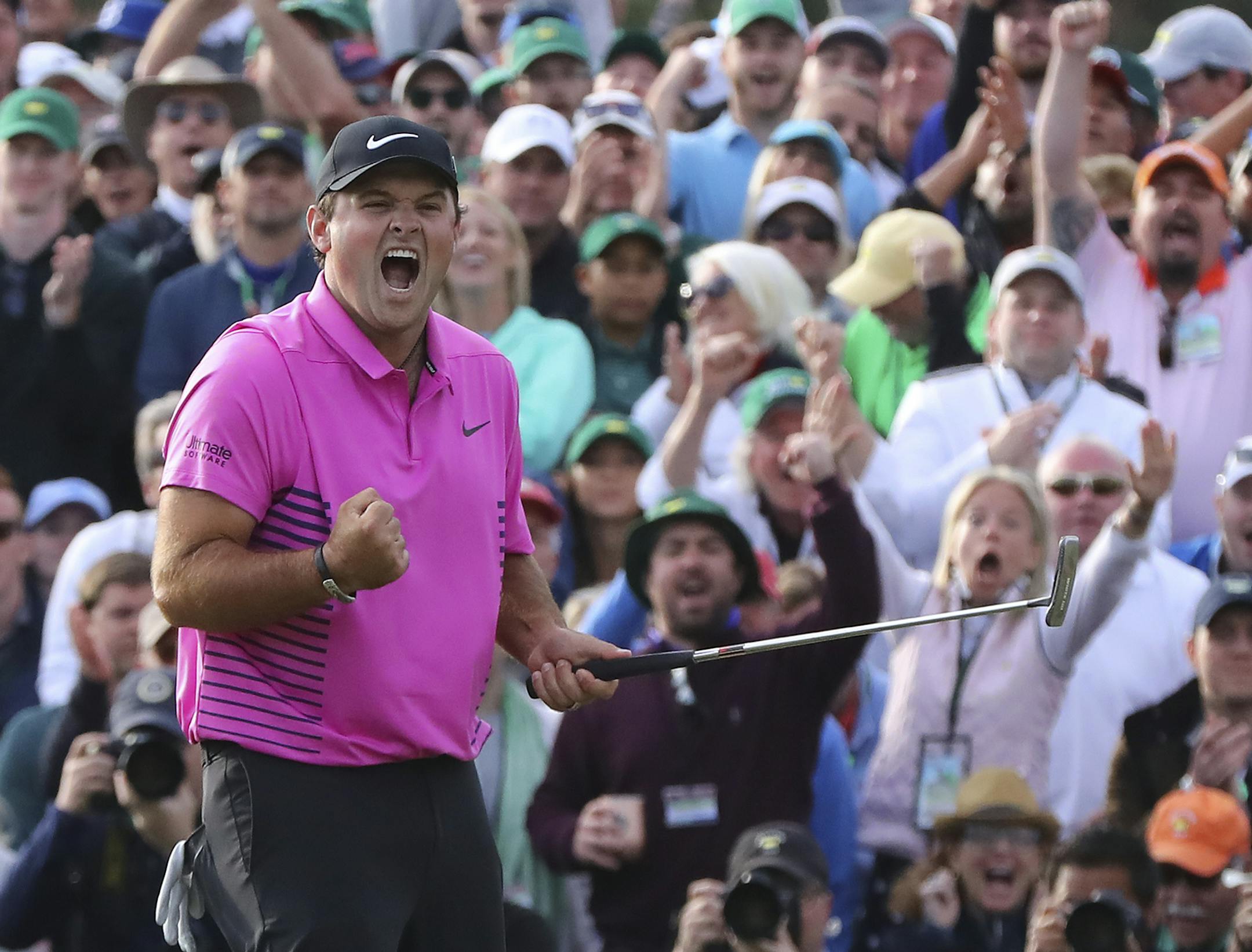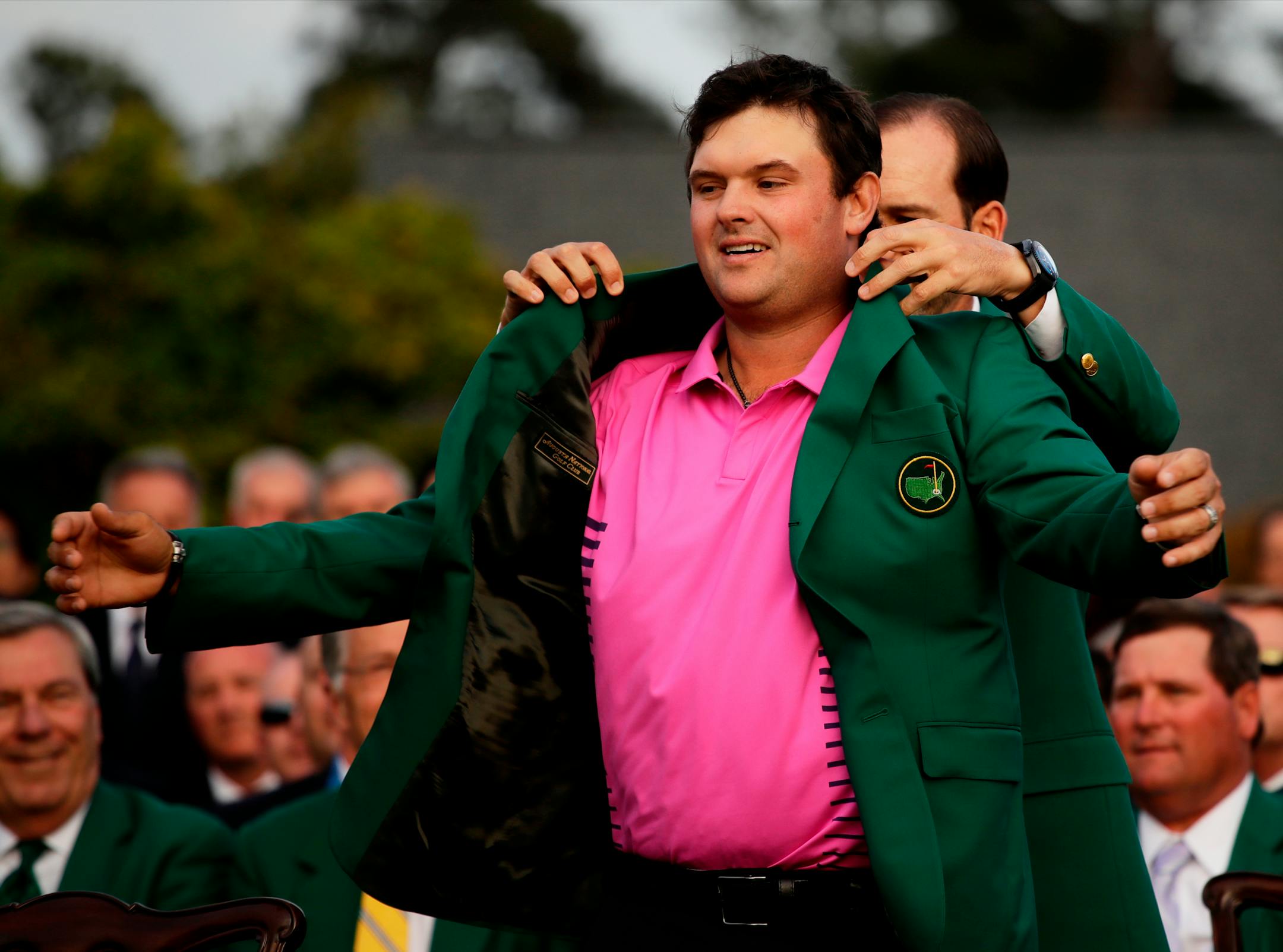
AUGUSTA, GA. – This was not the Patrick Reed who peacocked around Hazeltine National. This was not Captain America, but someone whose task could be grasped by Captain Obvious.
With a three-stroke lead entering the final round of the Masters, Reed would not be leading cheers, as he famously did at the Hazeltine Ryder Cup. Instead of wagging fingers, he would pursue the green jacket with white knuckles.
Reed's task was as simple as it was difficult: Hold off Rory McIlroy and a dynamic leaderboard, and hold on to his wits under the kind of pressure he admitted even his Ryder Cup exploits did not prepare him for.
This would require nerve, and luck. Reed hit a shot into the bank above Rae's Creek on the 13th hole and it stuck, allowing him to save par. He hit a putt that looked destined to roll all the way to Butler's Cabin on the 17th, and it clipped the hole, slowing it enough so Reed could make the comebacker and save another par.
After three brilliant rounds at Augusta National, Reed found his own nerves to be his primary opponent. He won his internal battle and his first major championship, shooting a 71 to win by one stroke over hard-charging Rickie Fowler on a wild Sunday.
"It's just a way of God basically saying, 'Let's see if you have it,' " Reed said. "Everyone knows you have it physically with the talent, but do you have it mentally? Can you handle the ups and downs throughout the round?"
Until he made a testing 4-footer on the 18th to seal the victory, Reed was most famous for his Hazeltine antics and a troubled past. He played in the final group with McIlroy, who was three shots back.
Reed woke up early Sunday morning and turned on the Golf Channel, hearing almost every analyst predict a McIlroy victory. Reed talked himself into believing that he was the underdog. Athletic motivation is never required to be logical.