

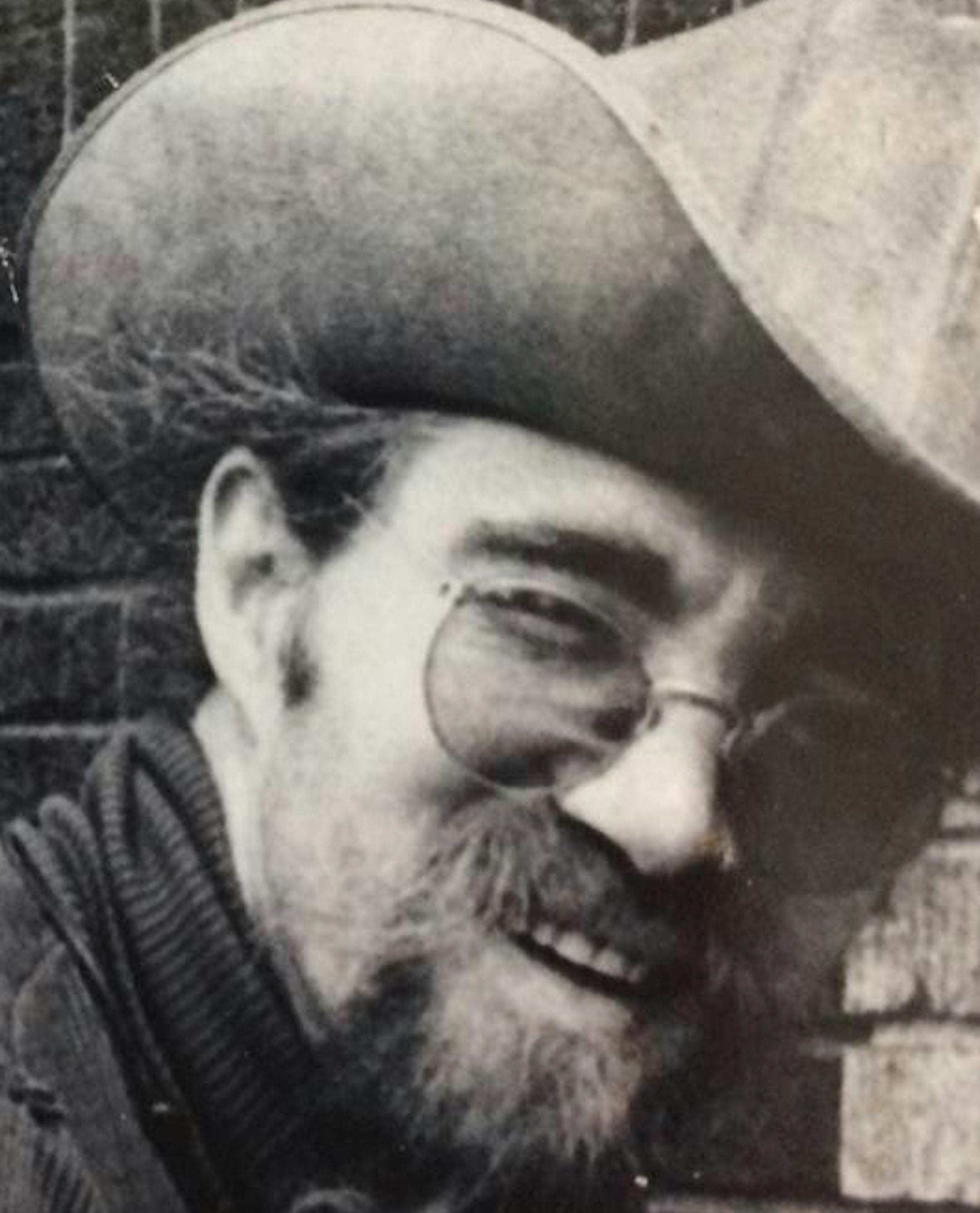
Patrick "Gramps" Teel, an innovator in drug treatment whose experimental approach revolutionized rehabilitation in the Twin Cities, died Aug. 3. He was 75.
Teel is best known for helping found Eden House, a treatment center that grew into a vast network of residential and outpatient programs, halfway houses and hundreds of units of sober housing across the Twin Cities. His friends and family recall Teel as brilliant, troubled, fearless — a multitalented man whose creativity and compassion knew no limits. "Pat was aggressively passionate about what he did," said Marvin Smith, a former patient of Teel's. "Patrick Teel was a genius. Period."
Teel was born in Los Angeles. His father was a ranger in World War II, though Teel would never know him. Around the end of the war, his parents divorced, and his mother raised him in St. Paul.
From birth, Teel suffered from health problems, including a speech impediment and a deformed leg. Dyslexia made school difficult, and Teel fell in with a bad crowd. By the early 1960s, his primary interests included drugs and guns. He eventually moved to California, where he sought treatment for amphetamine addiction. In 1967, Teel returned to the Twin Cities with a newfound sobriety and a passion for treatment. "He just had fire inside of him," said his wife, Lorraine Teel. "And he wanted to pass it on."
Teel got a job working at a machine shop, and then started building musical instruments.
Teel met Lorraine, then a University of Minnesota student, in 1968, and the two were married. They worked together at a treatment center that helped young people recover from bad LSD trips. In 1971, with a 1-year-old daughter, they rented a house in south Minneapolis and called it Eden. "We moved in and eventually filled it up with a bunch of dope fiends," said Lorraine.
At the time, soldiers were coming back from Vietnam with heroin addictions. Unlike other rehab programs, Eden focused on attacking behaviors, theorizing this would allow patients to tap into repressed feelings. Everyone had a job, from cooking to cleaning, and lived as a family.
Dan Cain was among the first patients, showing up in 1972 after stints in prison and more traditional treatment centers. "There were moments when I thought everybody was crazy," said Cain. "We would do things like beat up pillows to get out our anger."


