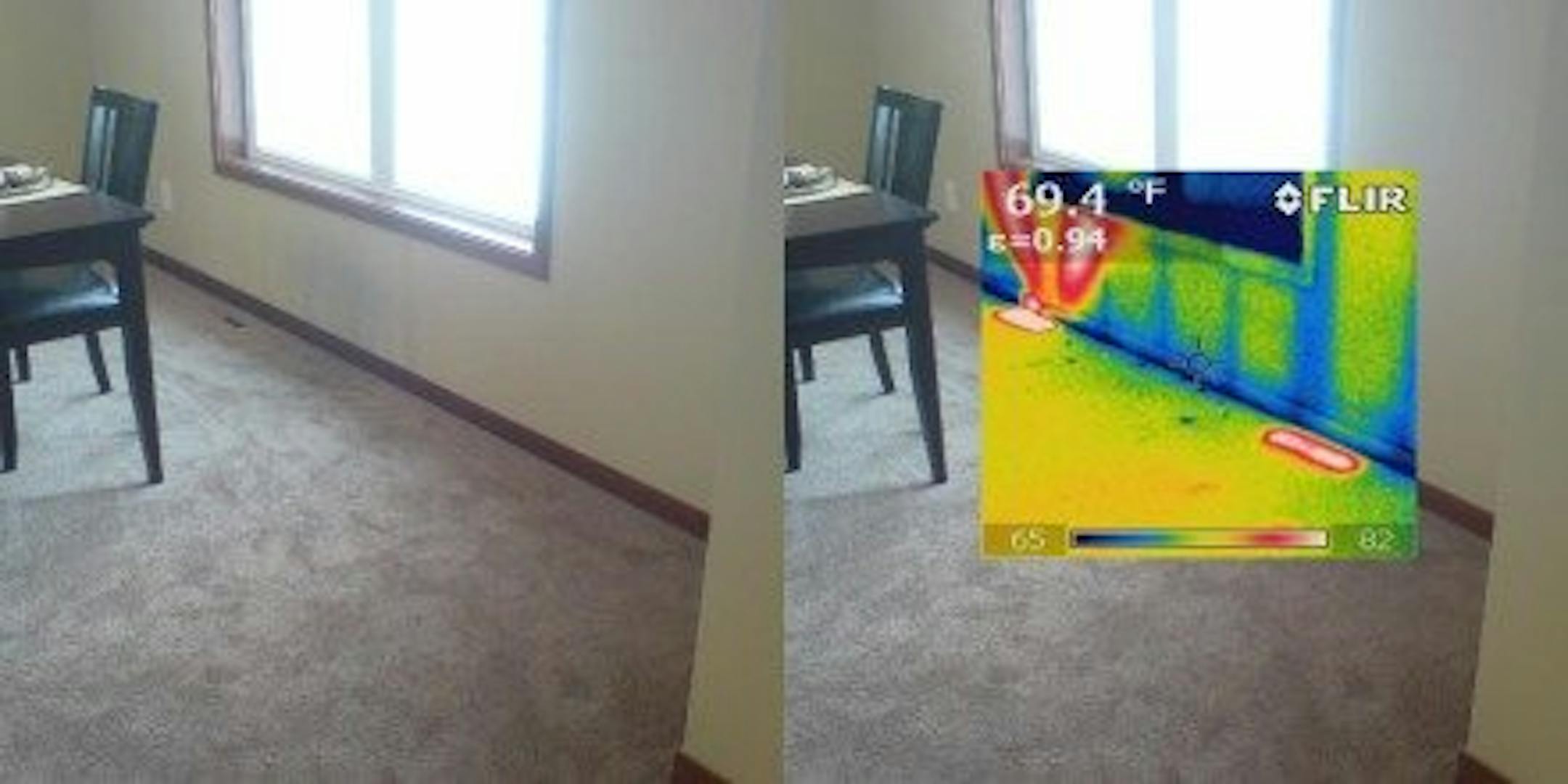
I recently read a blog post by building science guru Allison Bailes that discussed patent trolls, infrared cameras, and home inspectors. The quick version of that post is that there's a company in Mississippi that has patented the use of infrared cameras for home inspections. Basically, they claim that if a home inspector uses an infrared camera as part of their home inspection, the home inspector is infringing on their patent rights. Absurd, right? Let me explain why I care about this topic.
My infrared camera is definitely the coolest home inspection toy tool that I own. I can bust my dog for sitting on the couch, prove to my kids that they're not really "freezing", and confirm that my wife is hot. In addition to that stuff, I've discovered lots of useful ways to use this camera for home inspections.
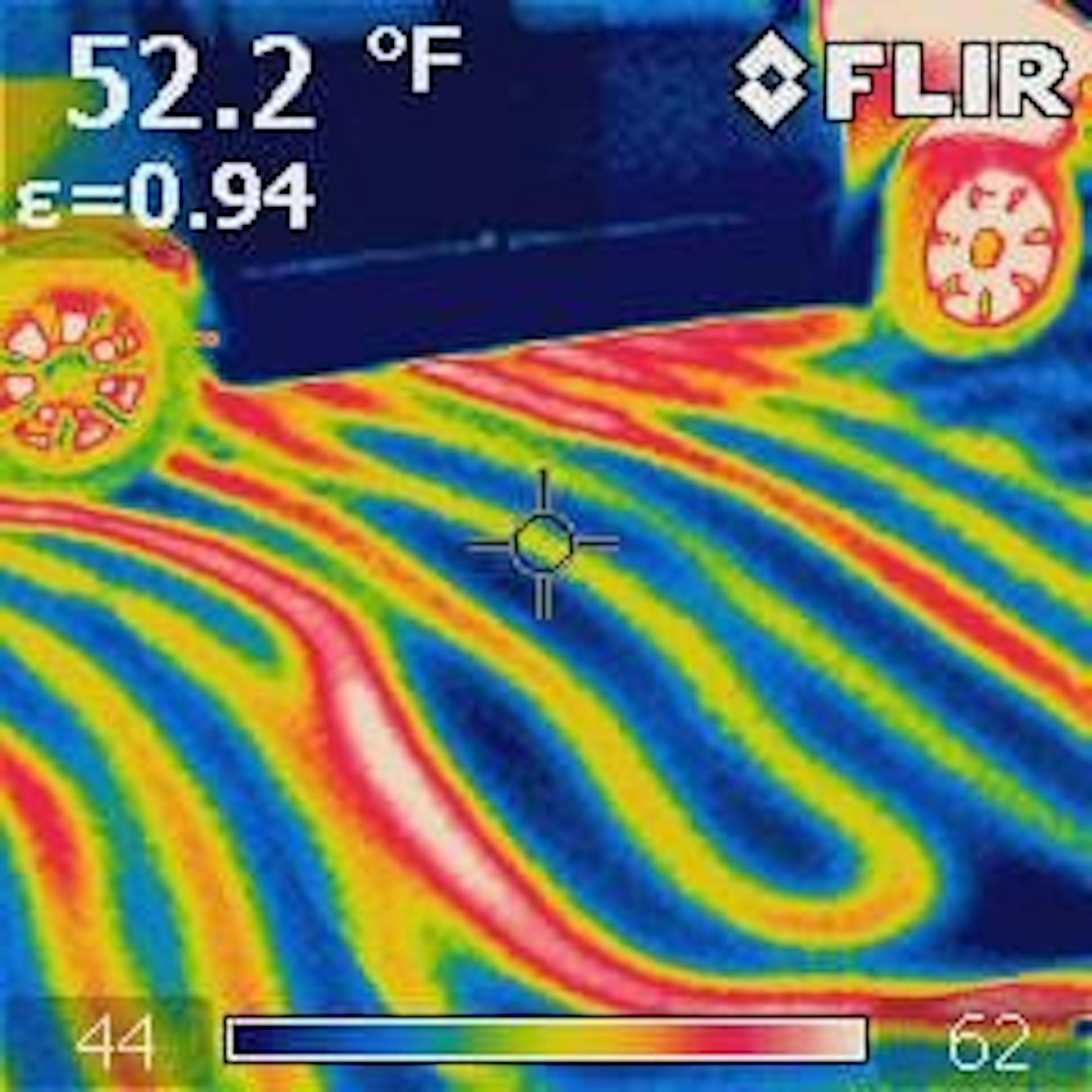
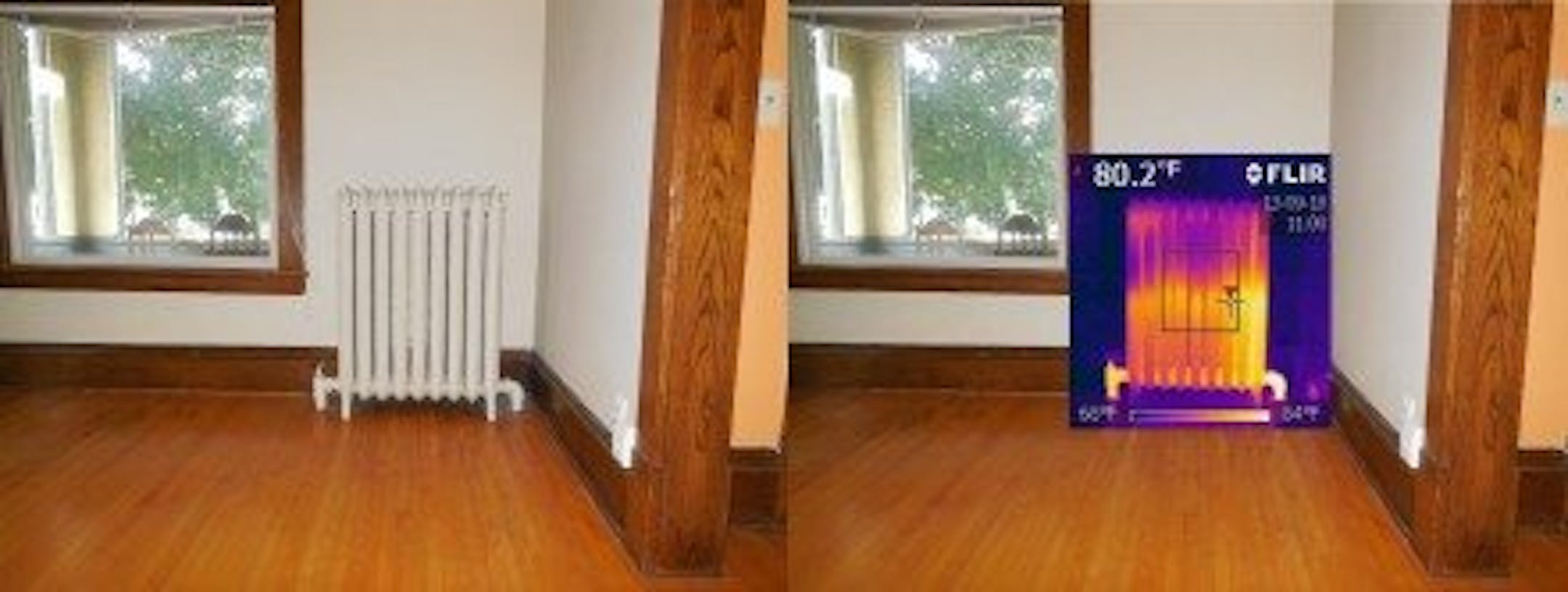
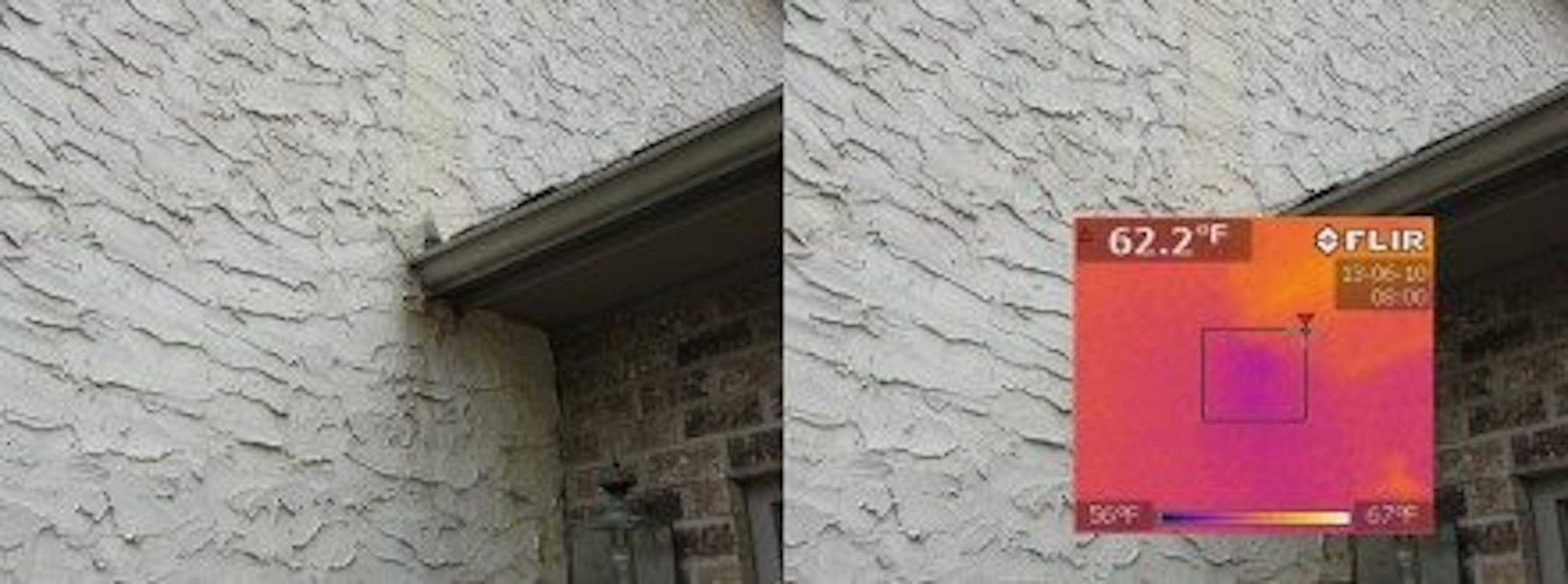
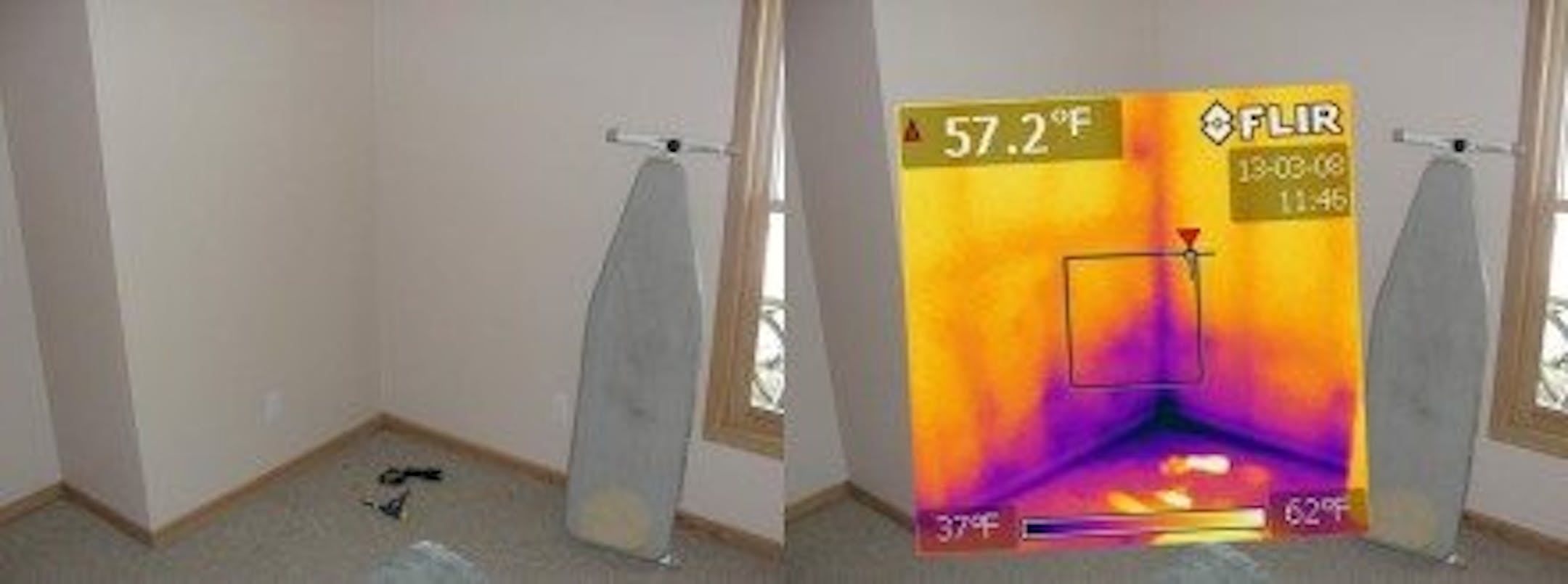
When we first started offering infrared inspections, we had one camera that we juggled between everyone. Today, I'm proud to say that all of the inspectors at Structure Tech have infrared cameras. We don't always use infrared cameras during home inspections, and we charge extra for a full infrared inspection, but these cameras frequently come in handy for identifying and documenting defects. The most obvious use of an infrared camera is to identify insulation defects in walls or air leaks in attics, but the images below show several other examples of ways that infrared cameras can be useful to home inspectors.
Leaking Showers
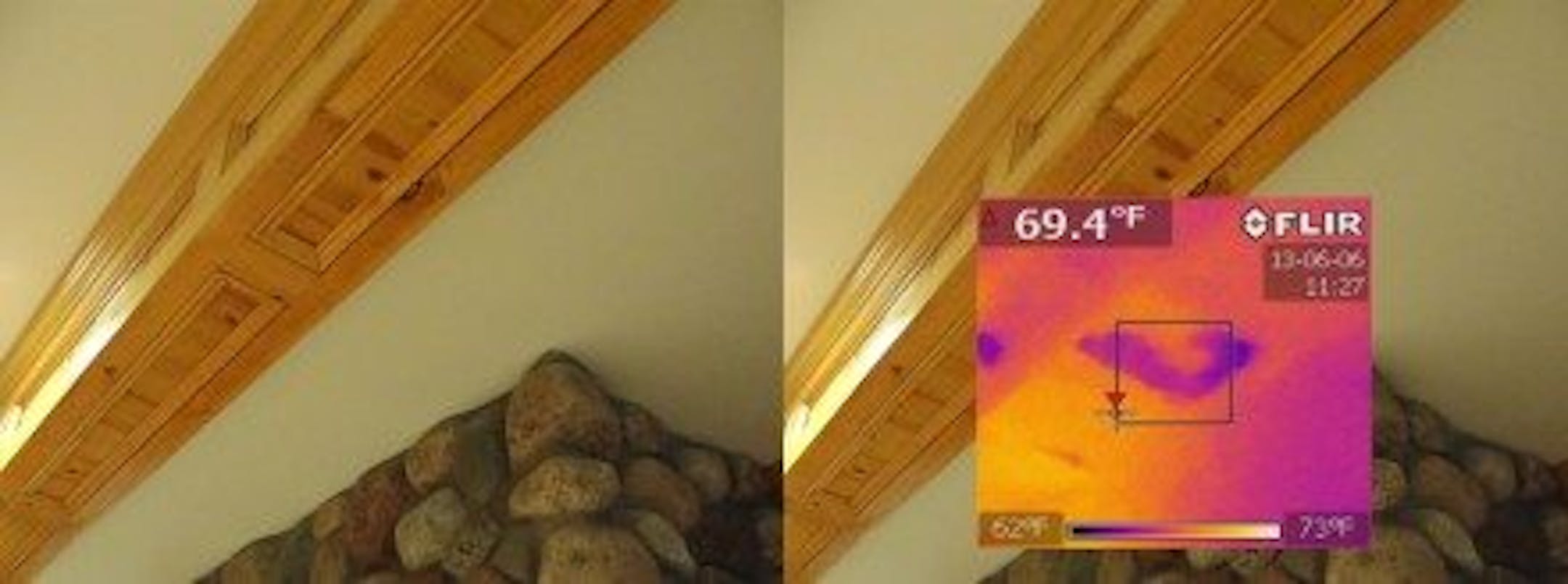
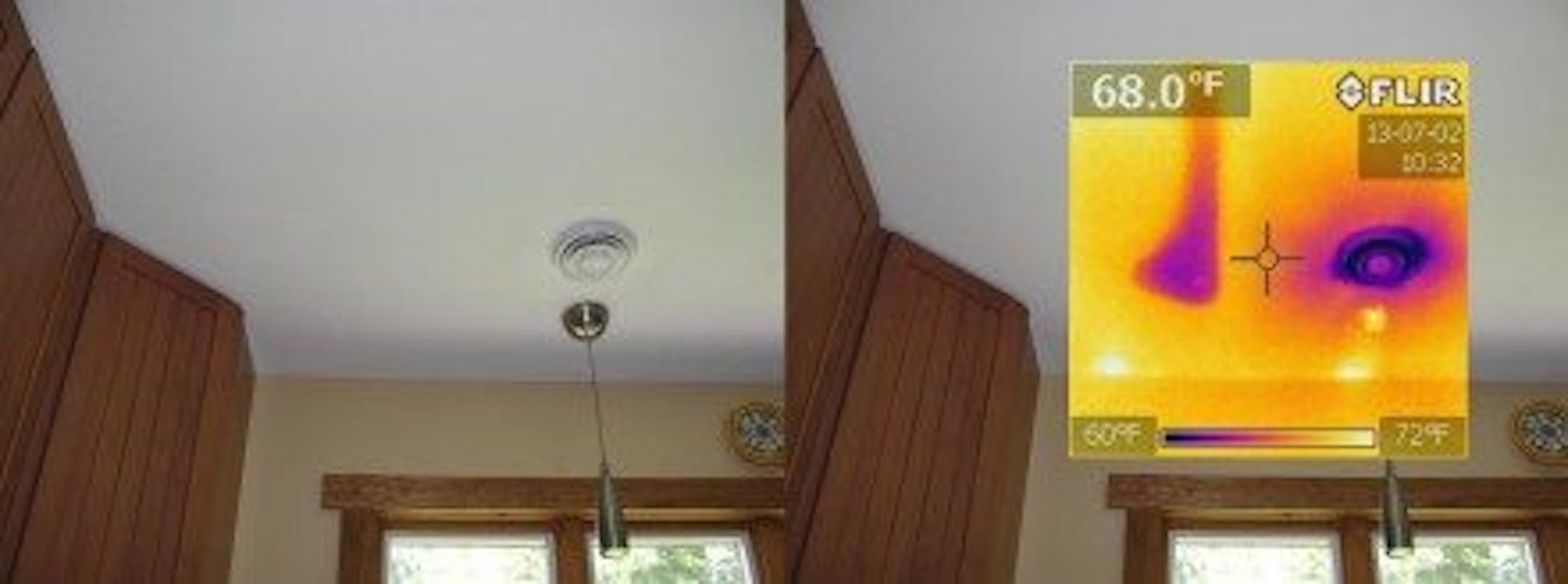
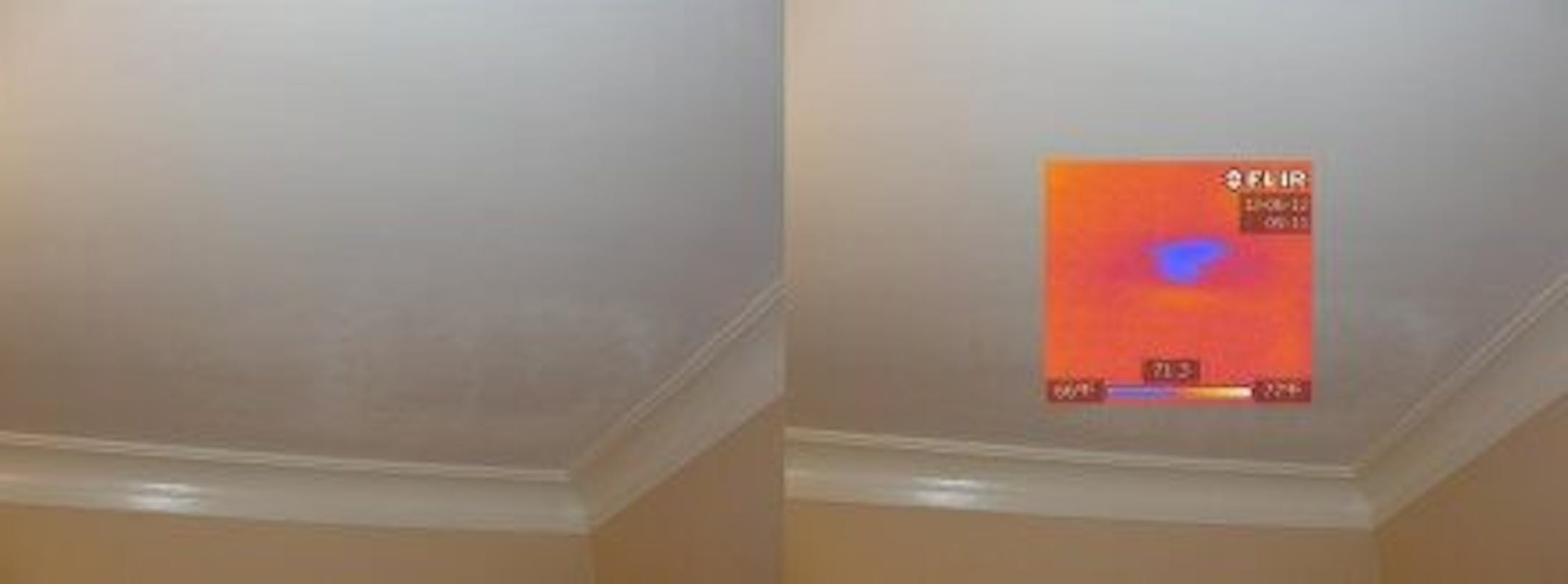
We use infrared cameras to help identify leaking tiled showers. As I mentioned in my blog post about shower leaks, we test tiled showers by flooding the shower base with about 2" of water, and then letting the water sit in the shower for about 45 minutes to an hour. If the tiled shower base leaks, water will show up on the ceiling below.
Through the diligent use of an infrared camera, we can almost always identify these leaks before they stain the ceiling below. The images below show a few examples of tiled shower leaks identified with infrared cameras during home inspections. Of course, we always verify these leaks with a moisture meter before reporting them as leaks. Cold spots in ceilings aren't always leaks.
Wet Basements
I recently shared this photo in my blog post about not connecting downspouts directly to yard drains, but here it is again. The blue area is wet.
It's one thing to say there's moisture intrusion in a basement, but having an infrared image that shows the area that's wet really helps to tell the story.
Electrical Problems
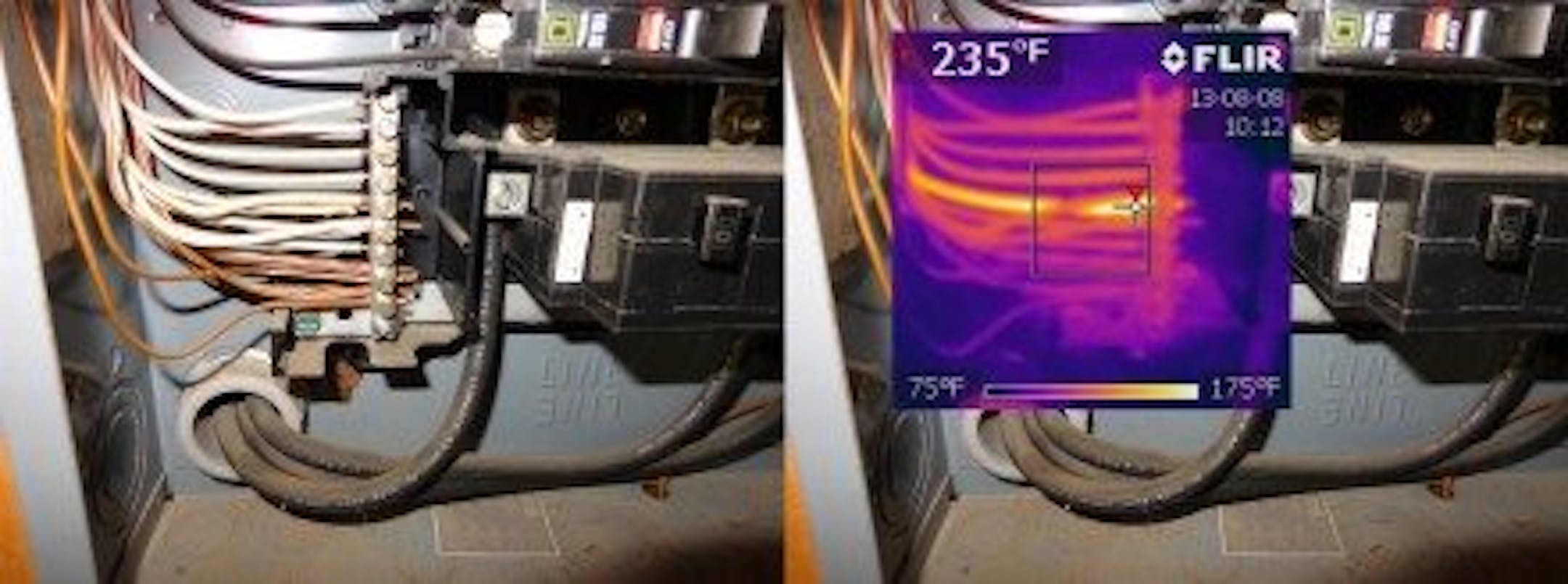
Scanning electric panels with an infrared camera can easily identify overheated conductors or circuit breakers. The panel shown below had an overheated neutral wire, which I suspect was the result of a loose connection; there were two neutrals connected to a single lug.