

Bird hunters experience their longest nights of the year now. Summer heat isn't the problem. Rather the earth's position on its axis, creating neither north nor south migratory flights, suggests too strongly an in-between season in which memories of past autumns and anticipation of the next vie for attention, an unsettled time in which sleep suffers among uplanders and waterfowlers alike.
Pheasants and ruffed grouse, ducks and geese. Also doves and woodcock. Concern for these birds among wing shooters extends year-round in ways the general citizenry might not appreciate. Winter is too severe, or not. The spring nesting season is too wet, or not. Broods hatch successfully, or not. Day to day, month to month, these are the yardsticks by which bird hunters measure the welfare of their feathered populations of interest.
Downpours that swamped parts of southwest Minnesota earlier this summer provide examples. Some pheasant nests that held eggs were washed out. Surviving hens would have re-nested, and re-nested again if necessary. But chicks already hatched that died in the gully washers would be the only chicks their grieving mothers would rear this year, one brood and done.
These types of observations infuse parts of every day, and waking night, for bird hunters, year-round.
Even when the Legislature convenes in winter, when snow piles deep along roadsides in Murray, Pipestone, Lyon, Chippewa and Stevens counties among others, bird hunters show up at the Capitol to plead their case that roadside mowing should be delayed in summer as long as possible. The point is to conserve hens, their nests and chicks, and more broadly songbirds and pollinators. No one who makes these efforts is a casual observer.
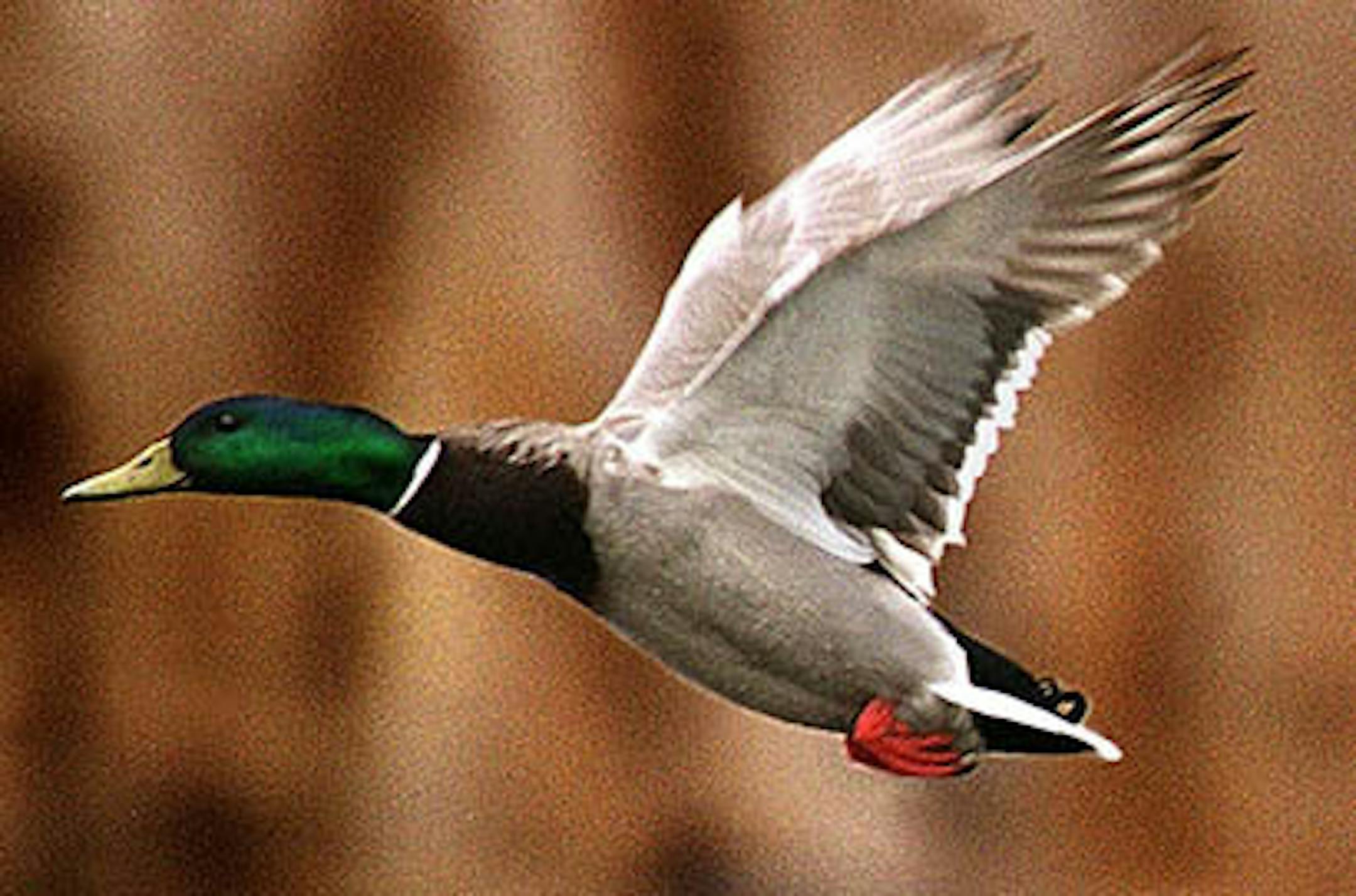
Such passions often are rooted in the unforgettable spectacle of rooster pheasants rising from cover awash in the chromatic hues of autumn, or mallards descending over decoys, Canada geese banking wide on their final approach, ruffed grouse gaining altitude among aspens, or even a single woodcock helicoptering upward from its forest-floor camouflage.
Adults experiencing such wonders a first time are as amazed as children. But children benefit longer from the memories.
When I was a kid, my dad hunted every day he could in October and November, and when I was old enough not to cause too much trouble, I was taken along. This was in North Dakota, near Rugby, and when the autumn's weather turned cool and winds blew from the northwest across the Manitoba border the mallard flights began, potholes filling first with the earliest migrants and soon the bigger sloughs also pockmarked with ducks.


