

Opinion editor’s note: Star Tribune Opinion publishes a mix of national and local commentaries online and in print each day. To contribute, click here.
•••
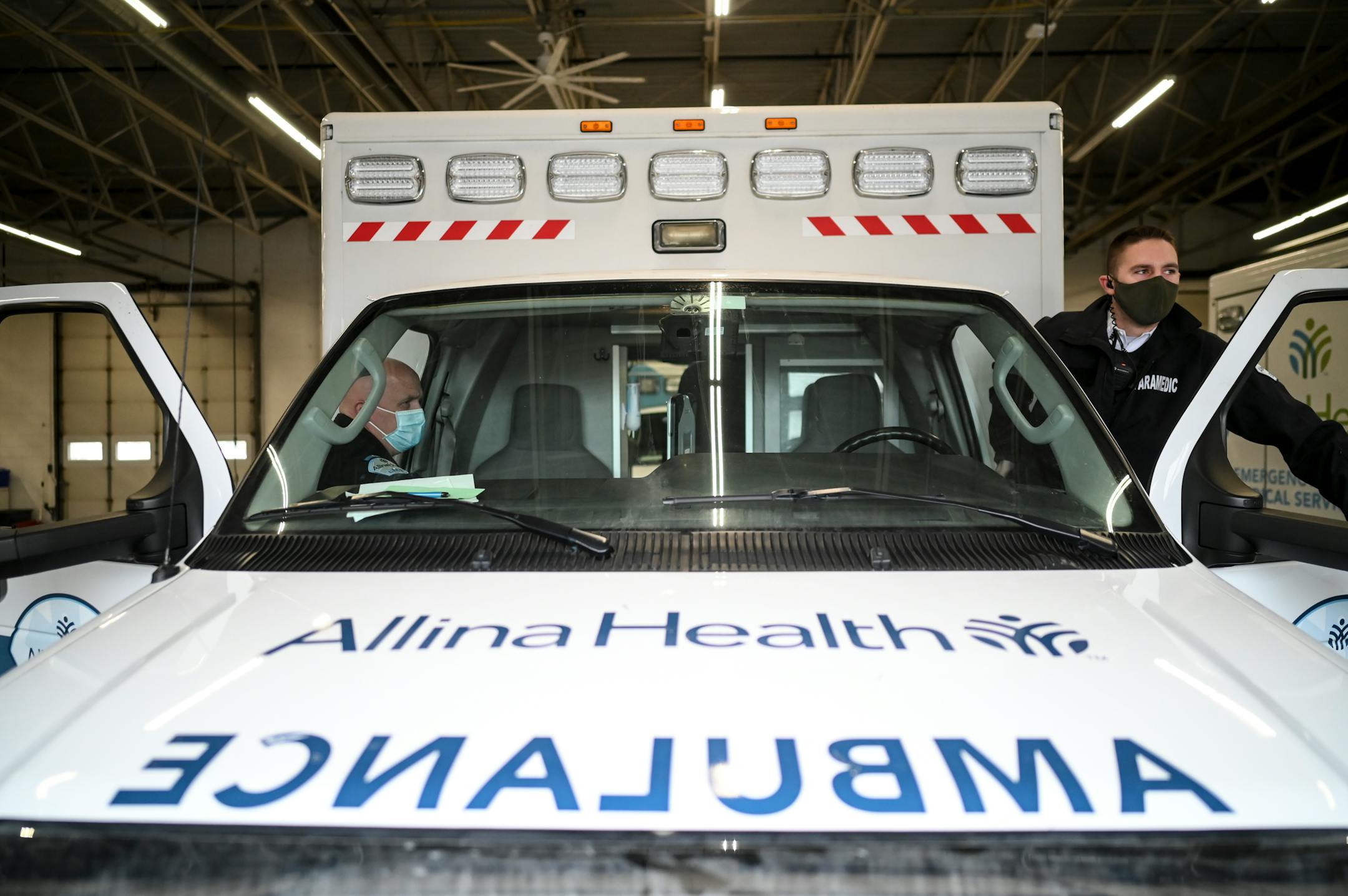
As the heartbeat of rural Minnesota, emergency medical services (EMS) and ambulance services are the lifeline that connects communities to lifesaving care. However, this essential network is under siege, facing a perfect storm of challenges that threaten its very existence. In every corner of our state, rural ambulance services are grappling with dwindling resources, mounting costs and an uncertain future.
The crisis facing rural ambulance services is multifaceted and urgent. In addition to grappling with inadequate reimbursement rates and a decline in volunteerism, these services are burdened by staggering financial deficits. The Minnesota EMS regulatory board’s report revealing a $763 million underpayment from insurance in 2023 alone underscores the severity of the situation. Without immediate intervention, the consequences are dire: Communities left vulnerable, lives at risk and the safety net of rural health care unraveling before our eyes.
The proposal now under consideration at the Minnesota State Capitol for emergency funding of $120 million is not merely a financial stopgap; it is a lifeline for communities teetering on the edge of a health care abyss. This injection of resources will ensure that ambulance services can continue their lifesaving work while long-term solutions are developed and implemented.
But funding alone is not enough. It’s time to help policymakers and the public fully understand the role of ambulance services in our health care system. EMS is much more than mere transporters to hospitals. Paramedics and EMTs are front-line providers, capable of delivering critical care in the most challenging of circumstances. They are the first line of defense in emergencies and their value cannot be overstated.
Now is the time for the Minnesota Legislature to act decisively, to prioritize the health and safety of rural communities, and to ensure that no Minnesotan is left behind. Every moment counts, and every action taken today will impact the future of rural health care for years to come.
Expanding upon the critical need for emergency funding, it’s essential to recognize the broader implications of the crisis facing rural ambulance services. Beyond the immediate impact on health care delivery, the closure of ambulance services threatens to exacerbate existing disparities in access to care. Rural communities, already underserved in terms of health care infrastructure, stand to suffer disproportionately if ambulance services are forced to shut their doors.


