Second in a three-part series
To understand the roots of feminism, you need to understand waxy yellow buildup.
That, in turn, requires grasping that kitchen floors once had to be polished, and that many women felt judged by how well their linoleum glowed.
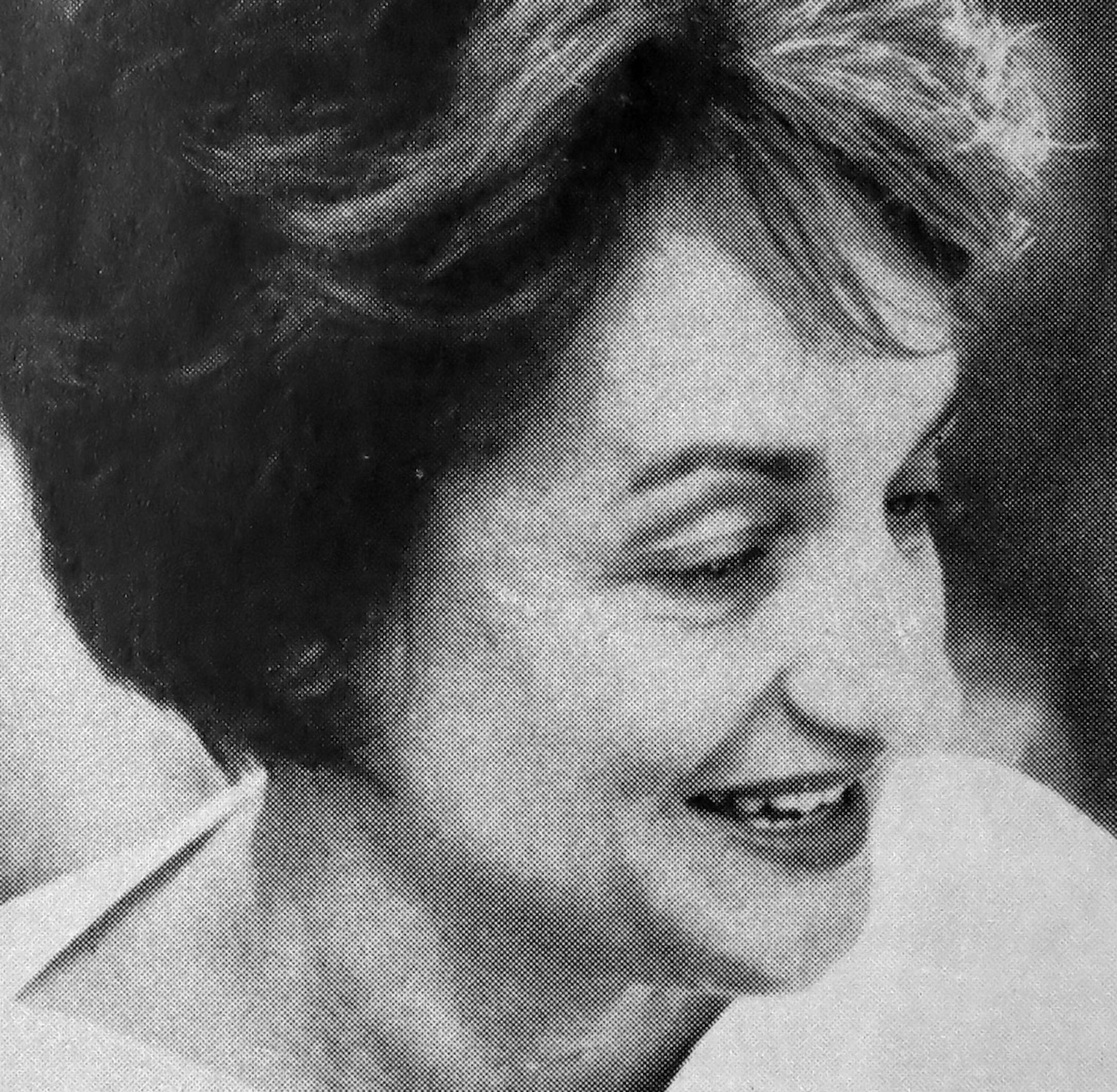
So in 1963, when a suburban housewife named Betty Friedan asked, "Is this all?" the answer, first whispered over 5 p.m. martinis, eventually grew to the sound of a million women roaring.
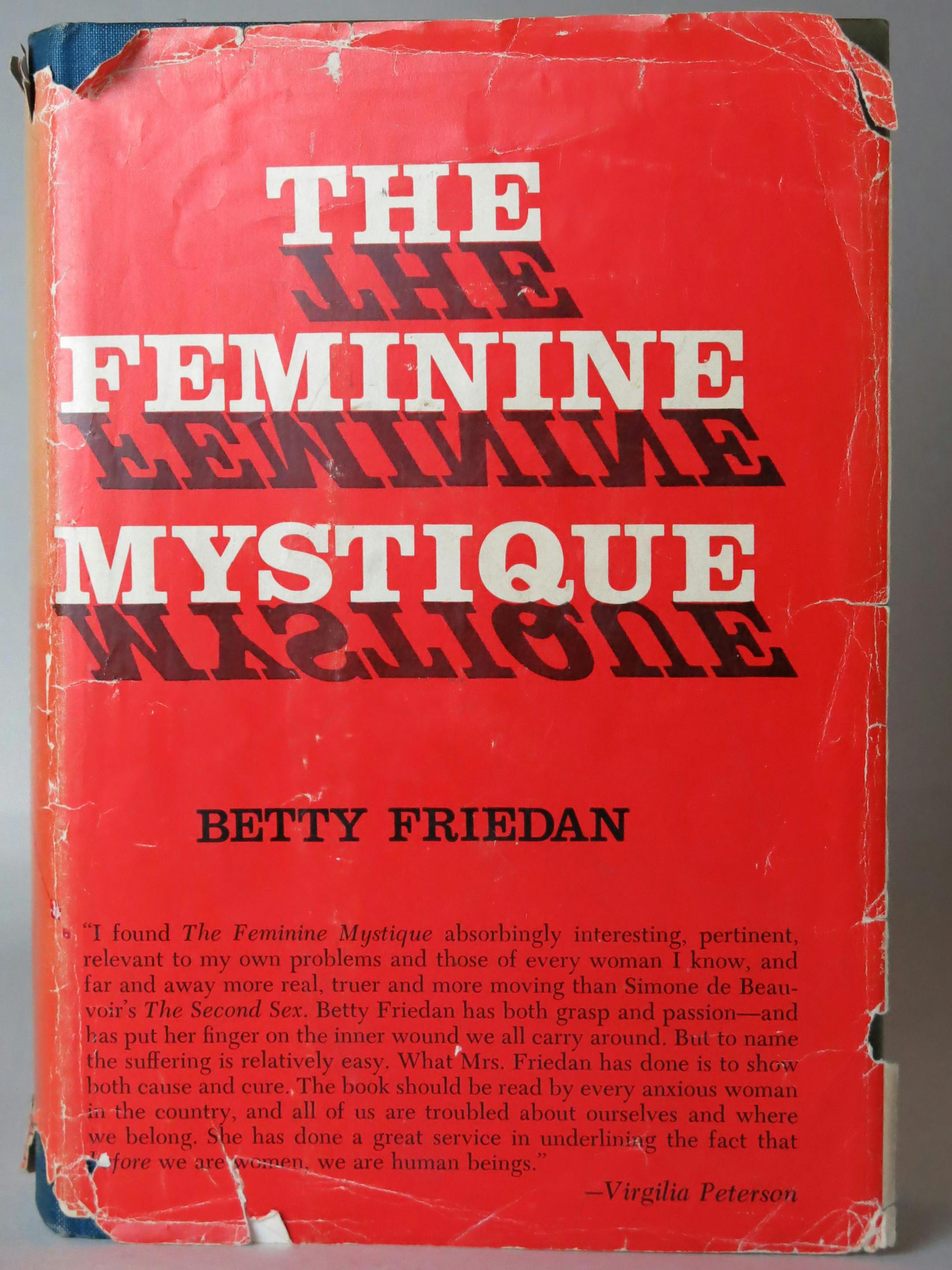
Friedan posed the question in her book "The Feminine Mystique," which explored the vague dissatisfaction many women felt within their seemingly contented lives — a condition that became known as "the problem that has no name."
The book, spirited from kitchen to kitchen, proved immediately popular — thanks to the 1950s.
"To look at 1963, you have to look at the 1950s," said Elaine Tyler May, a University of Minnesota professor and author of books about women's rights, the birth control pill and more. "You contained all the anxieties of the age in the family."
After the seeming blandness of the '50s, families were dealing with a nuclear-war threat, budgeting to afford labor-saving appliances, moving to spanking new suburbs and grappling with marriages that were becoming far more sexualized.
Life may have felt like a pressure cooker, "but it was promoted as the good life, the fulfillment of pent-up desires," May said. "But it was a framework that couldn't hold."