Light a firecracker, and the fuse ignites with a burst of sparks. 1963 was like that.
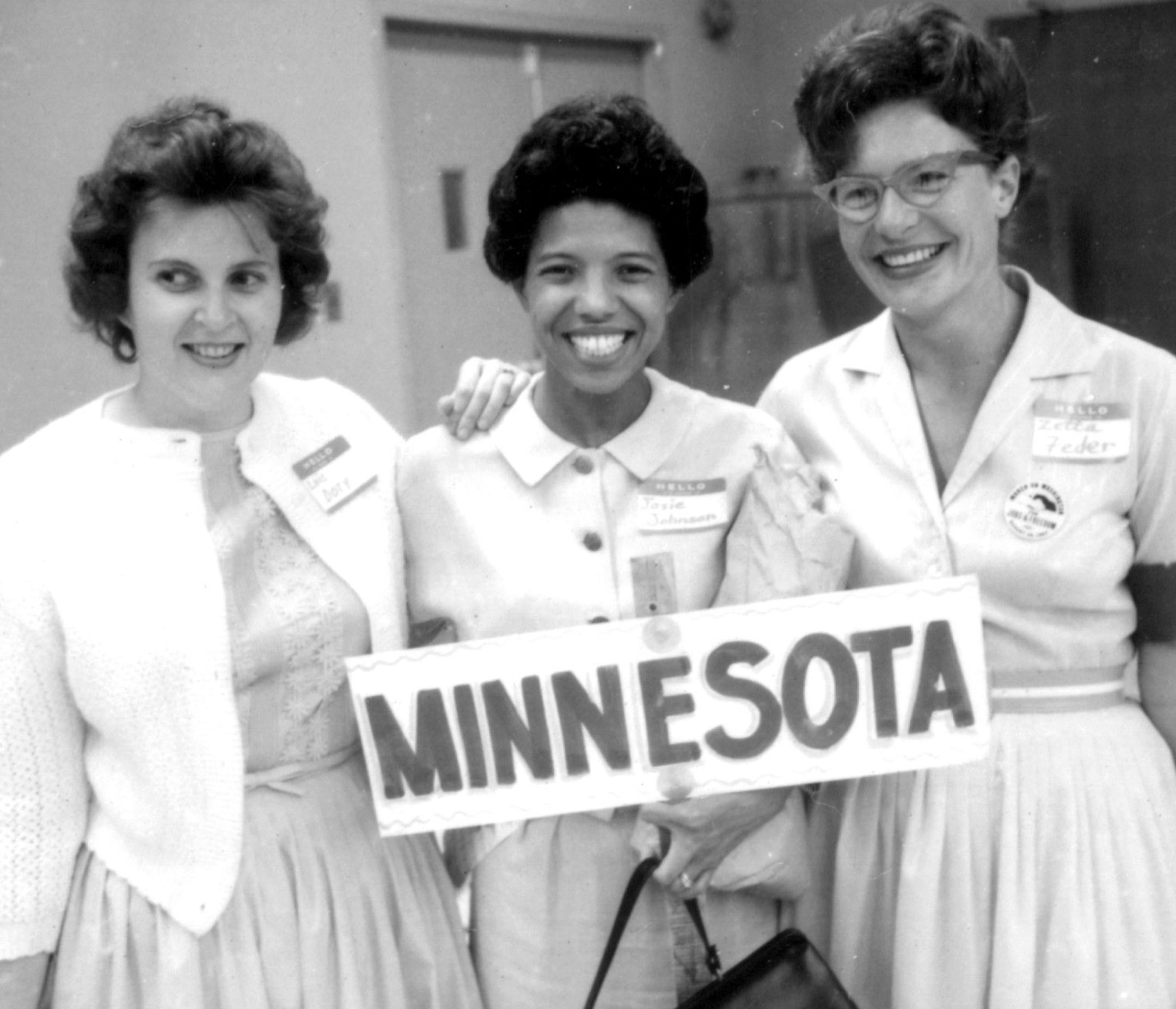
Month after month, all sorts of people lit fuses: black citizens, suburban women, even folk singers.
1963 changed our lives in consequential ways: Minorities marched on Washington, Betty Friedan asked "Is this all?" and Beatlemania began. Yet however these events altered the world, their embers still stubbornly smolder. Young black men are urged to mind their surroundings. Career women are exhorted to "lean in." And we'll always have the Beatles.
But no one knew that in 1963. They only heard a low sizzle growing louder.
"It's crazy how much was going on," said Sara Evans, a University of Minnesota professor who remembers sitting with college classmates to watch the funeral for President John F. Kennedy on her dorm's single TV.
Today and for the next two Sundays, we look back at 1963 as the year when the fuses of change began to spark.
•••
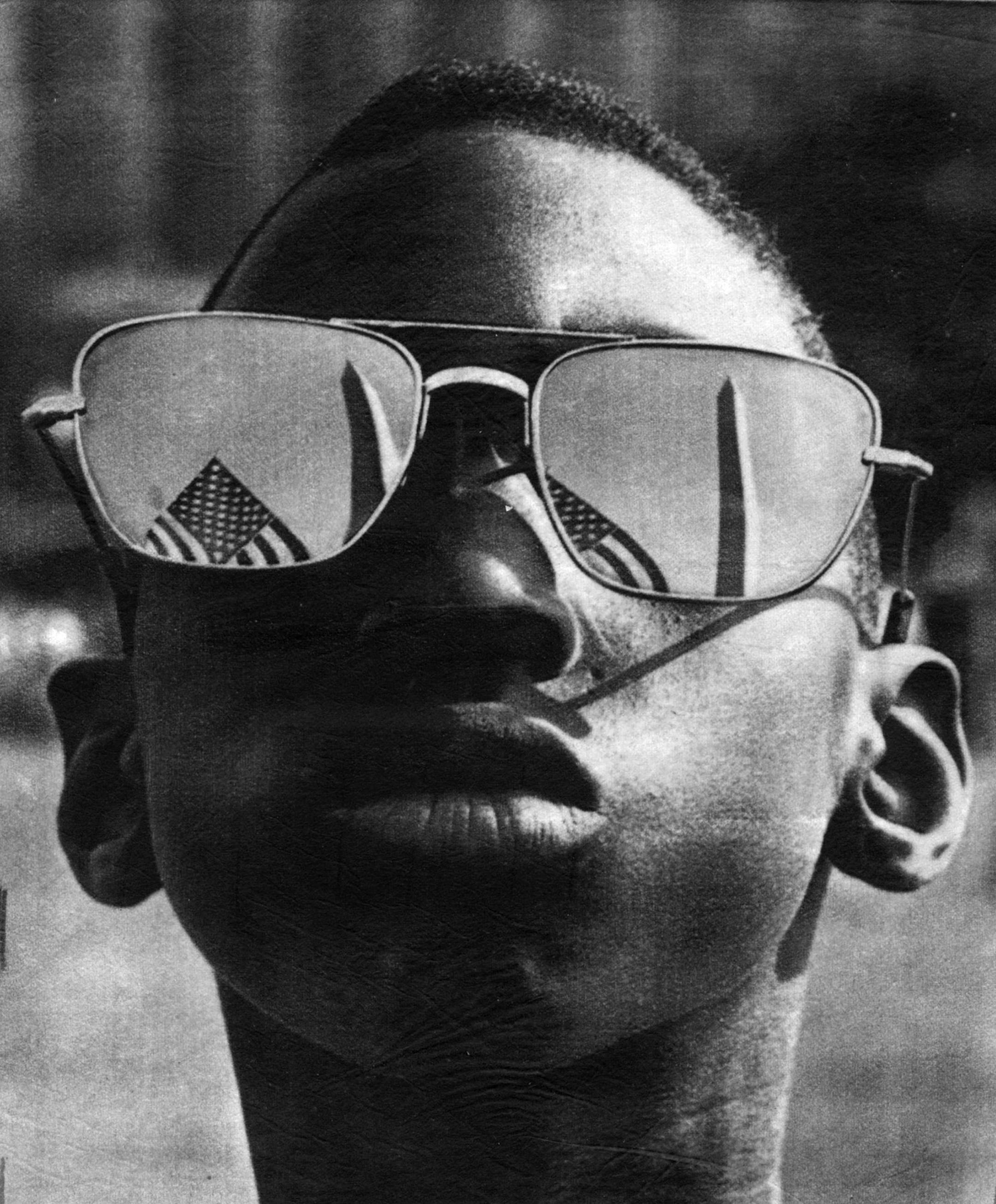
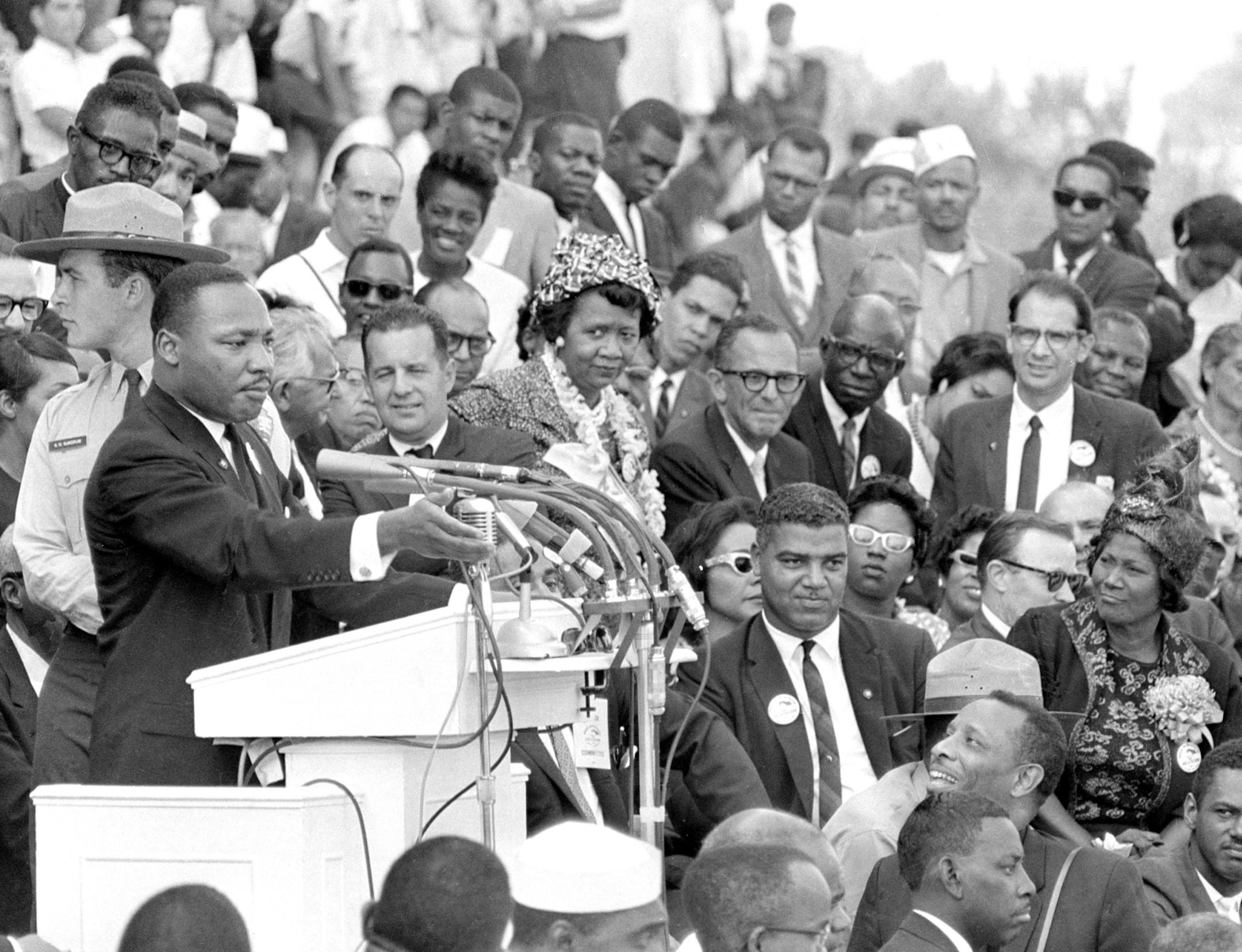
What many people don't know about the March on Washington, which grabbed the nation's attention 50 years ago this week, is that the Rev. Martin Luther King Jr.'s "I Have a Dream" speech almost never happened.
They don't know that he was the last speaker, there not to bring the event to a rousing climax, but to an orderly close.