

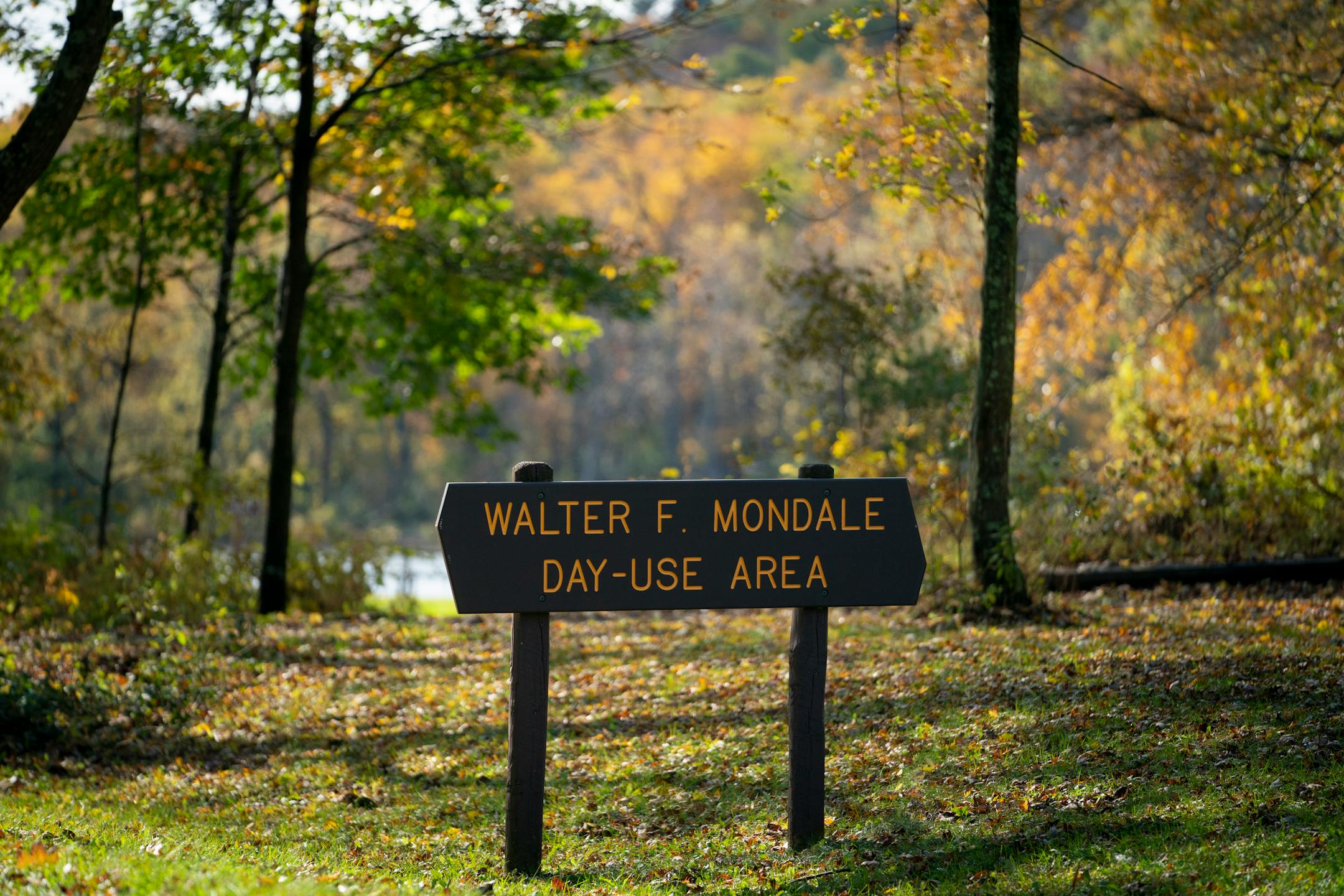
Those busy state parks and trails that hum with activity through summer might slow in fall, providing a window for different action: new or continued renovation or repair.
A system of 75 state park and recreation areas covering nearly a quarter-million acres and 25 state trails of upward of 1,500 miles perennially makes for a significant to-do list. Managers assess needs and forecast projects, knowing the work in part is contingent on an assortment of funding sources, from bonding bills to constitutionally dedicated dollars like those from the Legacy Amendment.
"Our state parks alone are like small cities with roads, bridges, buildings (including historic buildings), trails, utilities, water and sewer systems and campgrounds," said Rachel Hopper, visitor services and outreach manager in the Parks and Trails Division of the Minnesota Department of Natural Resources. Parks and Trails has a 2022-23 biennial budget of $275 million.
Managers struggle to keep pace with maintenance and other needs, Hopper said, as the number of daily visitors and overnight campers system-wide remain strong. Nearly 10 million people visit the parks and recreation areas annually, and the COVID-19 pandemic dramatically increased that use. Some already-popular parks like Afton experienced record visits.
"We are continuing to see impacts from the pandemic," wrote Stacy Smith, a DNR development consultant, in an e-mail to the Star Tribune. "Visitation to parks and trails facilities has increased, but it has been difficult at times to accommodate the increased use. We have shortages in the labor force, and the delays in the supply chain are creating months if not a year delay in some projects."
A thread through current projects is improving accessibility for visitors with disabilities to campground trails at aging parks, and to public waters.
Here is a snapshot of some projects highlighted by the DNR:
Itasca State Park (Park Rapids)


