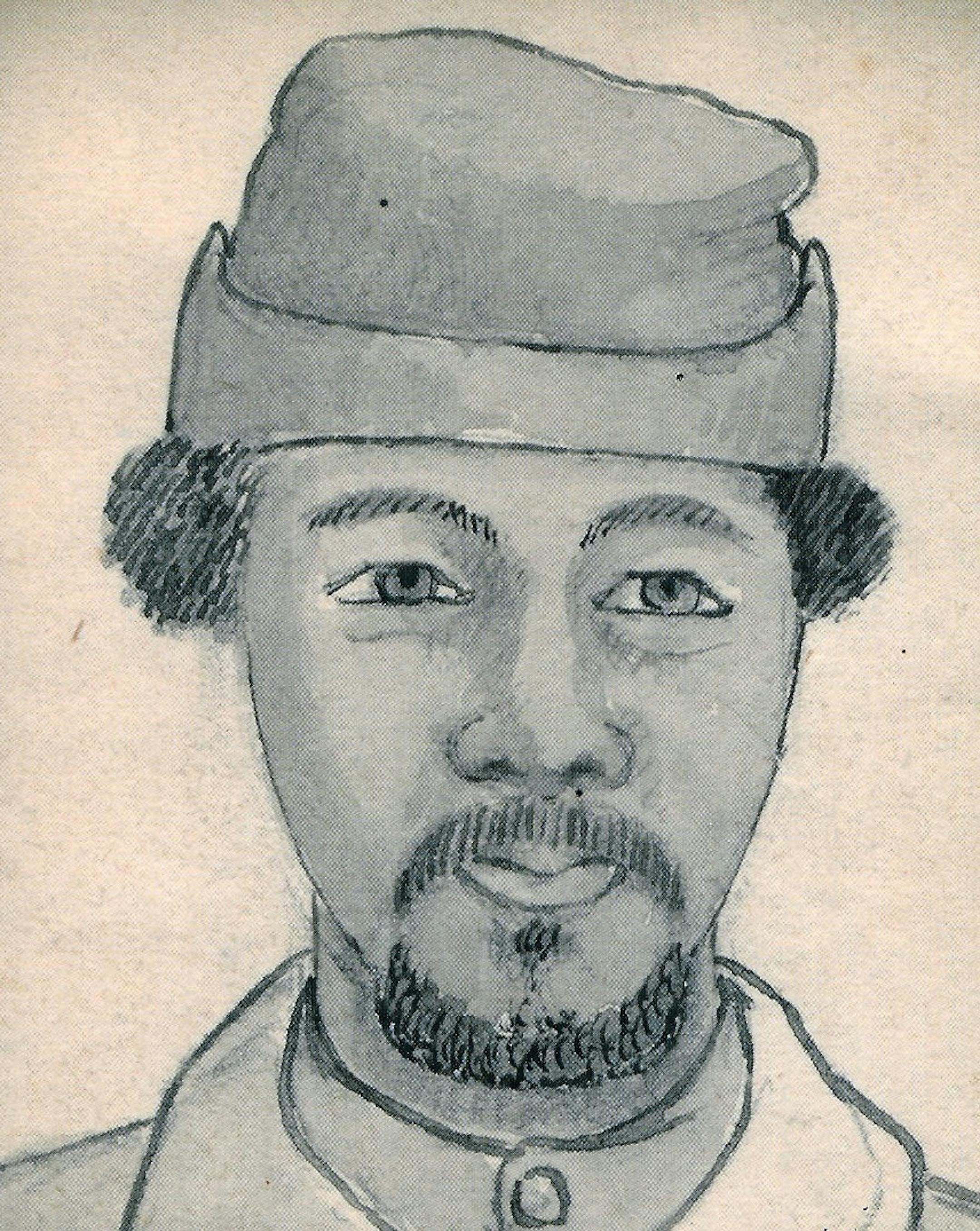
David Schleper wants more people to know about Shakopee's slave.
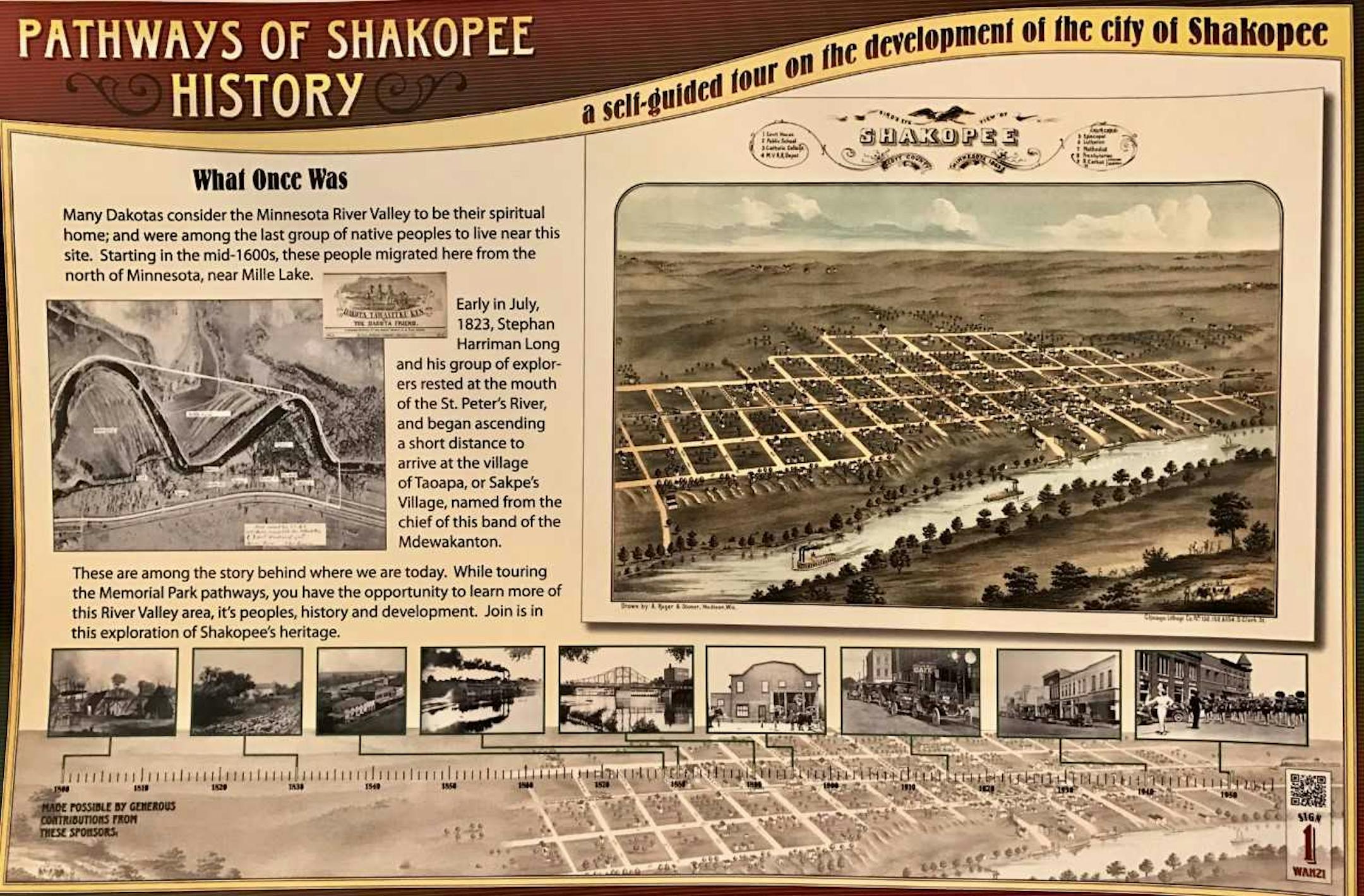
He has spent the past five years as senior research chair with the Shakopee Heritage Society trying to spread the word about the lesser-known parts of the city's history, including Joseph Godfrey, a slave who lived in Shakopee from 1844-1848. Godfrey will be featured on one of a dozen signs the Heritage Society plans to install at Memorial Park this fall and next spring. Other signs will highlight the stories of Native Americans and women before and after the city was founded.
Schleper, who grew up in Shakopee, said the only bit of local history he remembers learning in school was that founder Thomas Holmes established a trading post there in 1851.
"We have to think a little broader," Schleper said. "Shakopee is not just these white people who kind of took over."
The Heritage Society plans to place permanent, 3- by 2-foot kiosks in Memorial Park and along a trail under Hwy. 101, where Schleper said three villages existed before Shakopee was established. The villages include Tinta-otonwe, a Dakota summer planting village that existed from the mid-17th to the mid-19th centuries; the Prairie des Français, a French Canadian village that existed from the mid-19th to the mid-20th centuries; and Prairieville, a village from the mid-19th to early 20th centuries, during which the Pond family conducted missionary work with the Dakota people.
In 1847, Rev. Samuel Pond and his wife, Cordelia, established a mission and school at the invitation of Chief Sakpe II during the "Great Awakening" spiritual revival that swept the country. Samuel Pond preached, documented the culture and language of the Dakota and advocated for the fair treatment of American Indians, according to the Heritage Society's website.
Since the 1600s, what is now Shakopee was known by eight different names, Schleper said. Joseph Godfrey worked on the construction of the Faribault cabin in the mid-1800s before escaping in 1848 and walking 40 miles along the river to freedom.
Schleper wants these signs to be the "first step" in implementing more historic placards around downtown. This first batch has so far been funded through several grants, including a $10,000 donation from the Shakopee Mdewakanton Sioux Community, Schleper said.