

Minneapolis' renowned public parks, full of sparkling waters and acres of green space, offer a perfect place for an afternoon escape. But a trip to the park felt more like labor than leisure for Mark Addicks.
"I used the parks like I go to work. I was on a schedule. I never stopped. There always a goal: Run around the lake," said the retired General Mills chief marketing officer. "I conquered it."
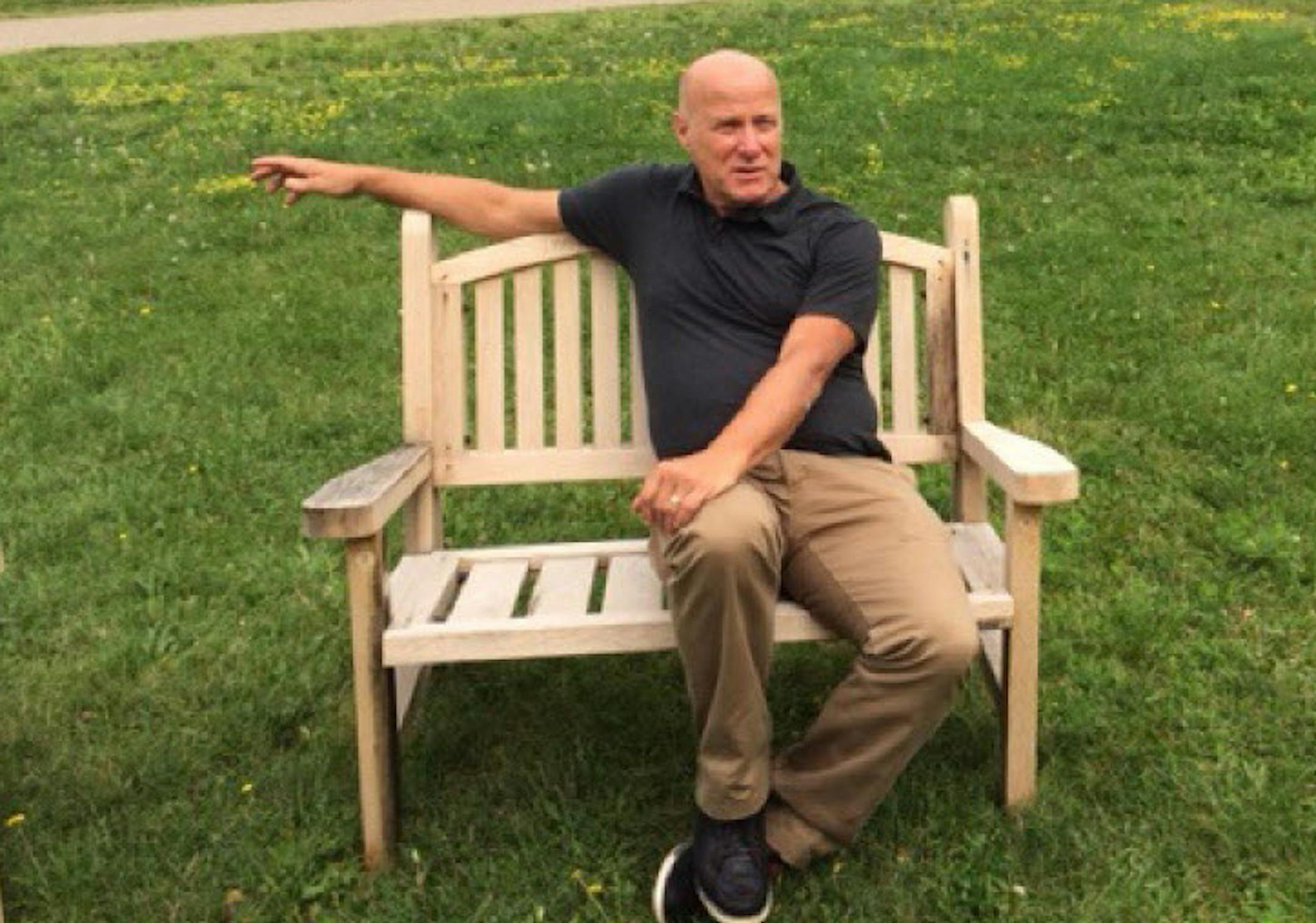
Realizing that a trip to the park could be more than the sum on his pedometer, Addicks has figured out one way to encourage people to slow down. He launched the Minneapolis Good Chair Project, a nonprofit built around the idea that you can make life better and build community by simply adding some comfortable seating.
With the Minneapolis Park Board's approval, Addicks has placed 33 Good Chairs at Lake of the Isles and Currie Park this summer that beckon folks to stop, sit, read, meet a friend, or perhaps even strike up a conversation with a stranger. Unlike city park benches that are bolted to the ground, Good Chairs can be repositioned for conversation, light, shade or a better view of the lake.
The chairs, positioned in clusters of three and four, started appearing this summer. They have been so well used, the plan is to place more than 100 chairs next year in as many as eight Minneapolis parks. Addicks, who lives near Lake of the Isles, has largely funded this first phase of the project. He's launching a $100,000 Kickstarter campaign to help pay for the expansion.
The chairs, custom designed by Minneapolis furniture maker Willie Willette Works, are actually small benches with room for two. They are made of white oak with some inspiration engraved into the wood: Sit. Share. Debate. Engage. Contemplate. Meditate. Laugh. Cry. Kiss.
"You can lounge. You can move them closer together or pull them into the shade," Addicks said. "The hope is these could be all over our parks and they would distinguish us as the great city we are."
Parks around the world, such as in Paris, allow visitors the luxury of a movable seat, but Addicks said he believes Minneapolis is one of the first U.S. cities to do so.


