
Parents working to transform campus of St. Paul Central

Plan is to beautify grounds of state's oldest high school and create better connections to its St. Paul neighborhood.

September 23, 2014 at 4:03AM
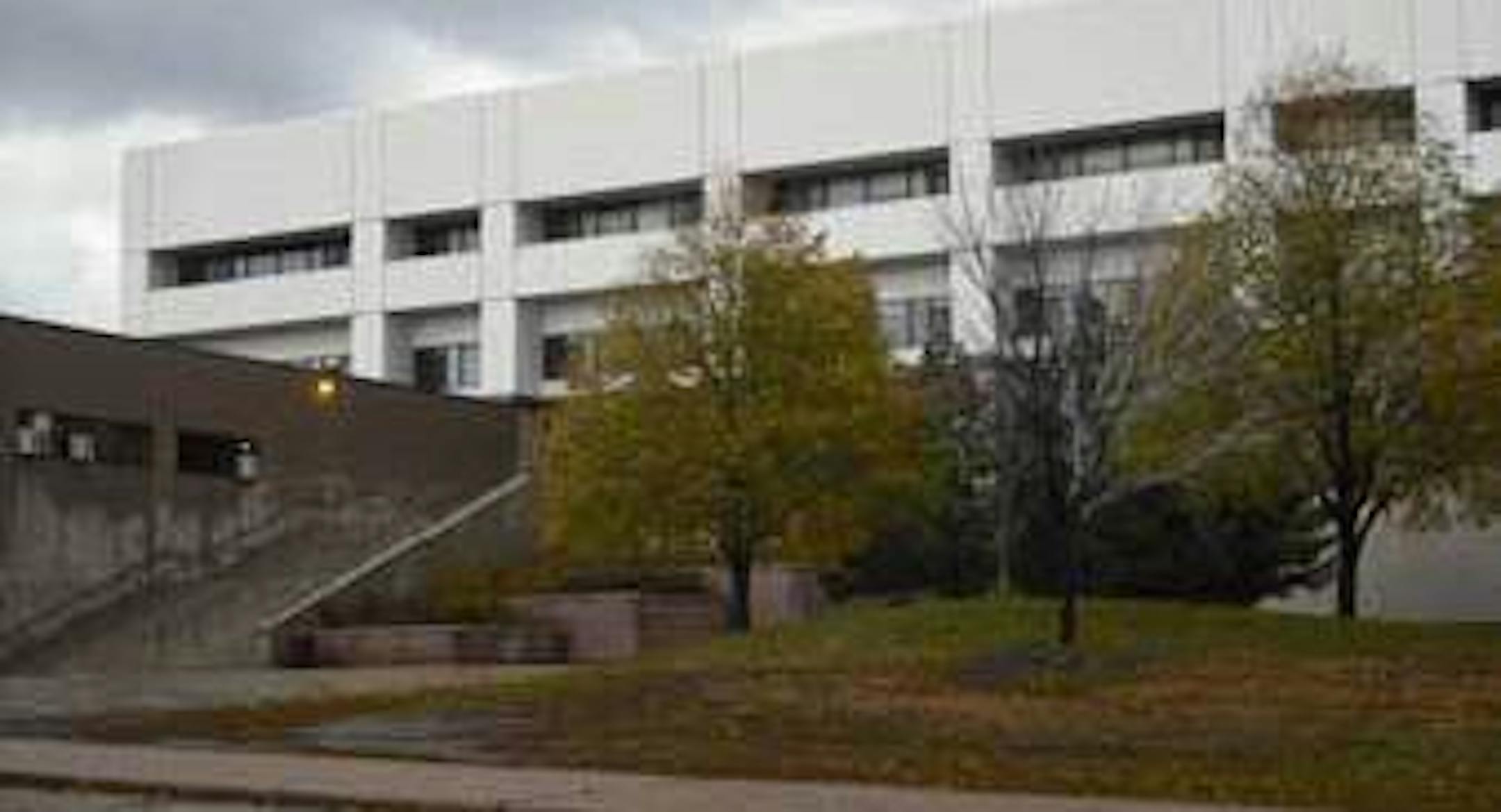
The current St. Paul Central High School was remodeled in 1980.
The current St. Paul Central High School was remodeled in 1980. (The Minnesota Star Tribune)

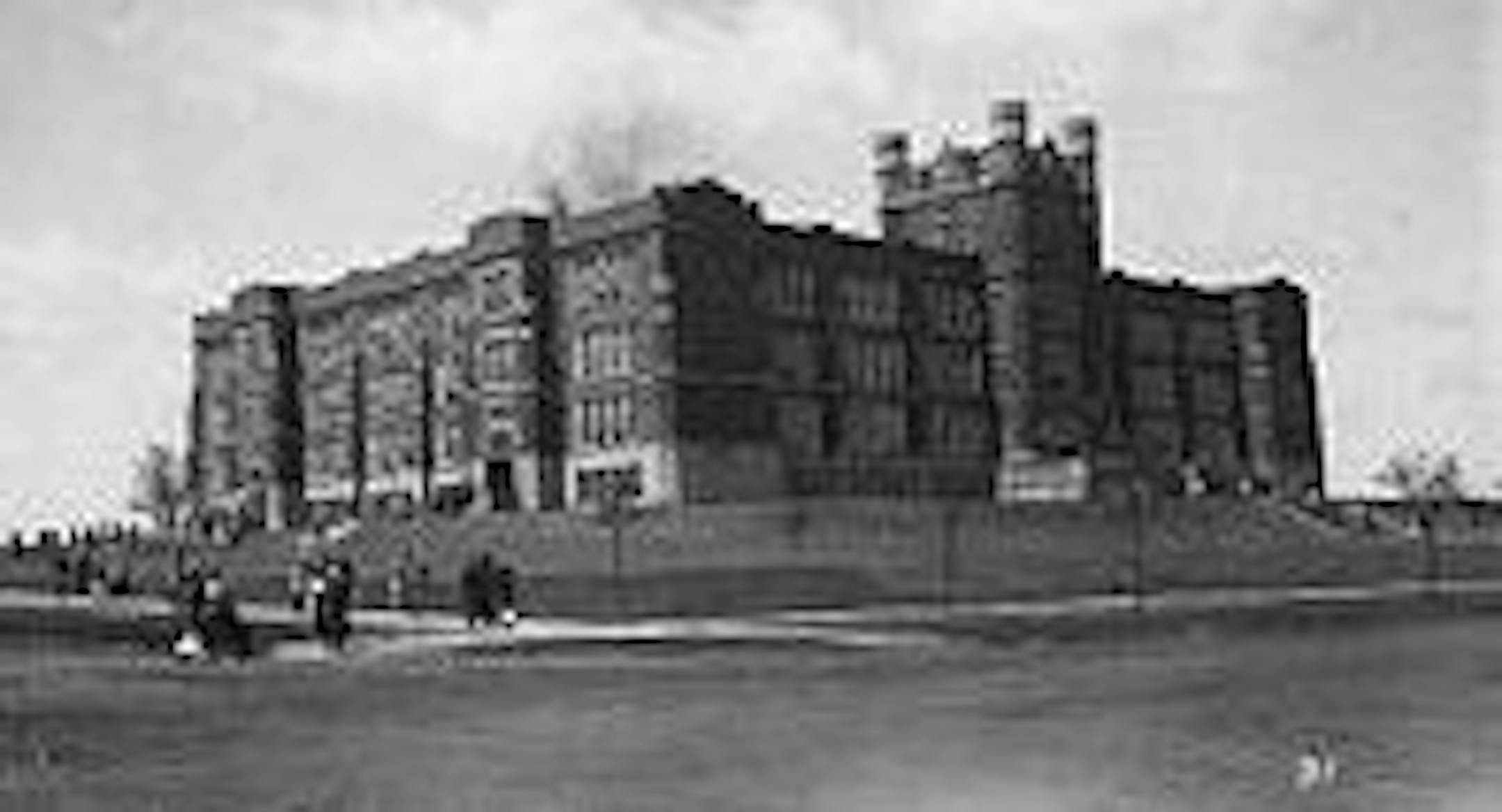
St. Paul Central High School is the oldest high school in Minnesota. Its fourth incarnation, completed in 1912 at the corner of Lexington and Marshall in the Collegiate Gothic style, featured a castlelike tower that left a grand and striking impression.

Not so with the remodeled version that was completed in 1980, consisting of concrete blocks and white metal sheathing.

While a group of involved parents admits there's not much to do about the building's looks, it has been working for the past several years to nurture an ambitious project to beautify the grounds of the school and bring the campus into a closer relationship with its surrounding neighborhood. The group, which calls itself Transforming Central High School, plans to release its master plan and kick off fundraising efforts in mid-October for a remake it hopes will be finished by fall 2016 — in time for the school's 150th anniversary.

The project involves more than just sprucing up the appearance of the 2.6-acre site, said Julie Marckel, a Central parent and landscape designer. It seeks to improve students' daily experience with their school while mitigating negative environmental impacts, such as stormwater runoff.

"We want this to be a project that the entire community can get behind," said Marckel, lifelong learning program developer for the Science Museum of Minnesota.

Said Nina Tuttle, another Central parent on the committee: "We can't do anything about the building; it's just beyond us. But this we can do."

The committee, which sprang from the school's Parent Advisory Council, has been working on the project for about three years. Early on, it enlisted the help of the University of Minnesota's Metropolitan Design Center for initial site analysis, looking at such things as how students move about the campus.

Some work to the grounds already has taken place. Parent and student volunteers reclaimed three large, tiered planters at the front of the school, replacing dead shrubs with vibrant flowers and grasses. A new fence was installed along Lexington and Concordia, at the school's northeast corner, thanks to a city grant.
The committee partnered with the Capitol Region Watershed District, receiving about $60,000 in grants, for stormwater analysis and landscaping. Emmons & Oliver Resources was hired by the watershed district to complete a stormwater improvement plan for the south and east sides of Central. The company now is working on a sustainable site master plan that will address everything from lighting to improving gathering spaces for students, walkways and other ways to connect with the surrounding community.

Preliminary plans call for a rebuilt plaza at the front of the school, an outdoor classroom, an arboretum, a rain garden, possible bike path connections to Lexington Avenue and the use of porous pavers to allow stormwater to be absorbed into the soil. According to Brad Aldrich, with Emmons & Oliver, the total project cost could be $700,000 or more.

It's an ambitious undertaking and a hefty price tag — to be mostly met by fundraising. Tuttle and Marckel joked that famous Central alumni can expect to receive a donation pitch soon.
But Tom Parent, director of facilities for the St. Paul public schools, said the effort has a real chance of succeeding, mainly because of the determination of Central parents.

"The group has been very much central in promoting and creating a vision," he said. "They have done a fantastic job of involving the community and the district."

While the school district's role has been mainly advisory, there has been discussion to ensure that the plans for Central dovetail into the district's overall facilities planning — such as in the areas of paving, what kinds of trees and plants to use and how to ensure that what is done can be maintained easily.

"This is a huge effort, and there are significant parts attached to it," Parent said. "But nothing is way out of bounds or unattainable."

He added: "We want to make sure we are doing whatever we can to channel these efforts into something that is meaningful to the community and to the St. Paul School District."
James Walsh • 651-925-5041

The fourth Central High School was finished in 1912.
The fourth Central High School was finished in 1912. (The Minnesota Star Tribune)
about the writer

about the writer

James Walsh

Reporter

James Walsh is a reporter covering social services, focusing on issues involving disability, accessibility and aging. He has had myriad assignments over nearly 35 years at the Star Tribune, including federal courts, St. Paul neighborhoods and St. Paul schools.

See Moreicon

More from No Section

See More
FILE -- A rent deposit slot at an apartment complex in Tucker, Ga., on July 21, 2020. As an eviction crisis has seemed increasingly likely this summer, everyone in the housing market has made the same plea to Washington: Send money — lots of it — that would keep renters in their homes and landlords afloat. (Melissa Golden/The New York Times) ORG XMIT: XNYT58
Melissa Golden/The New York Times

It’s too soon to tell how much the immigration crackdown is to blame.