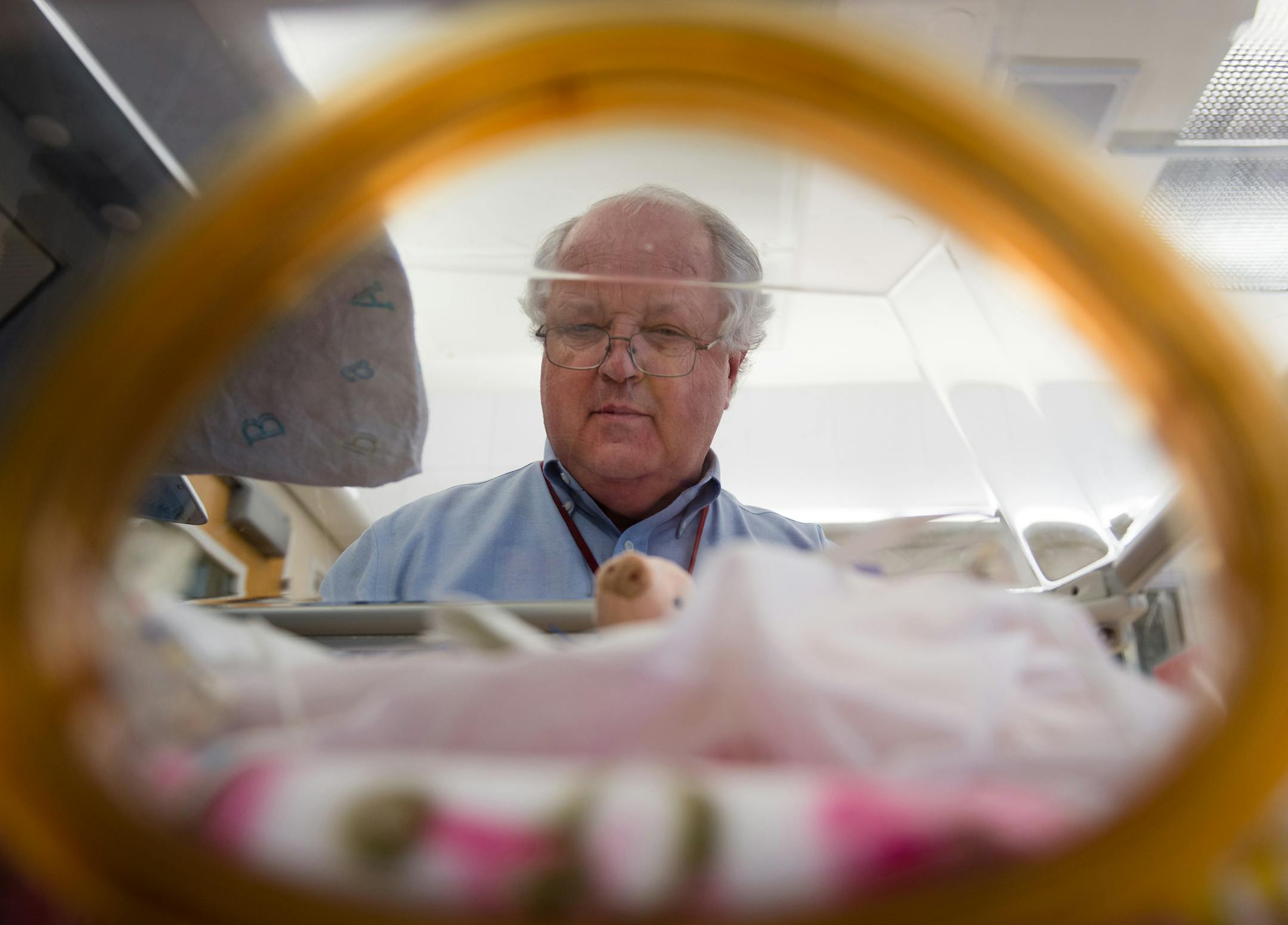
PALO ALTO, Calif. – Dr. William Benitz walked past the rows of clear plastic isolettes in the neonatal intensive care unit at Lucile Packard Children's Hospital at Stanford.
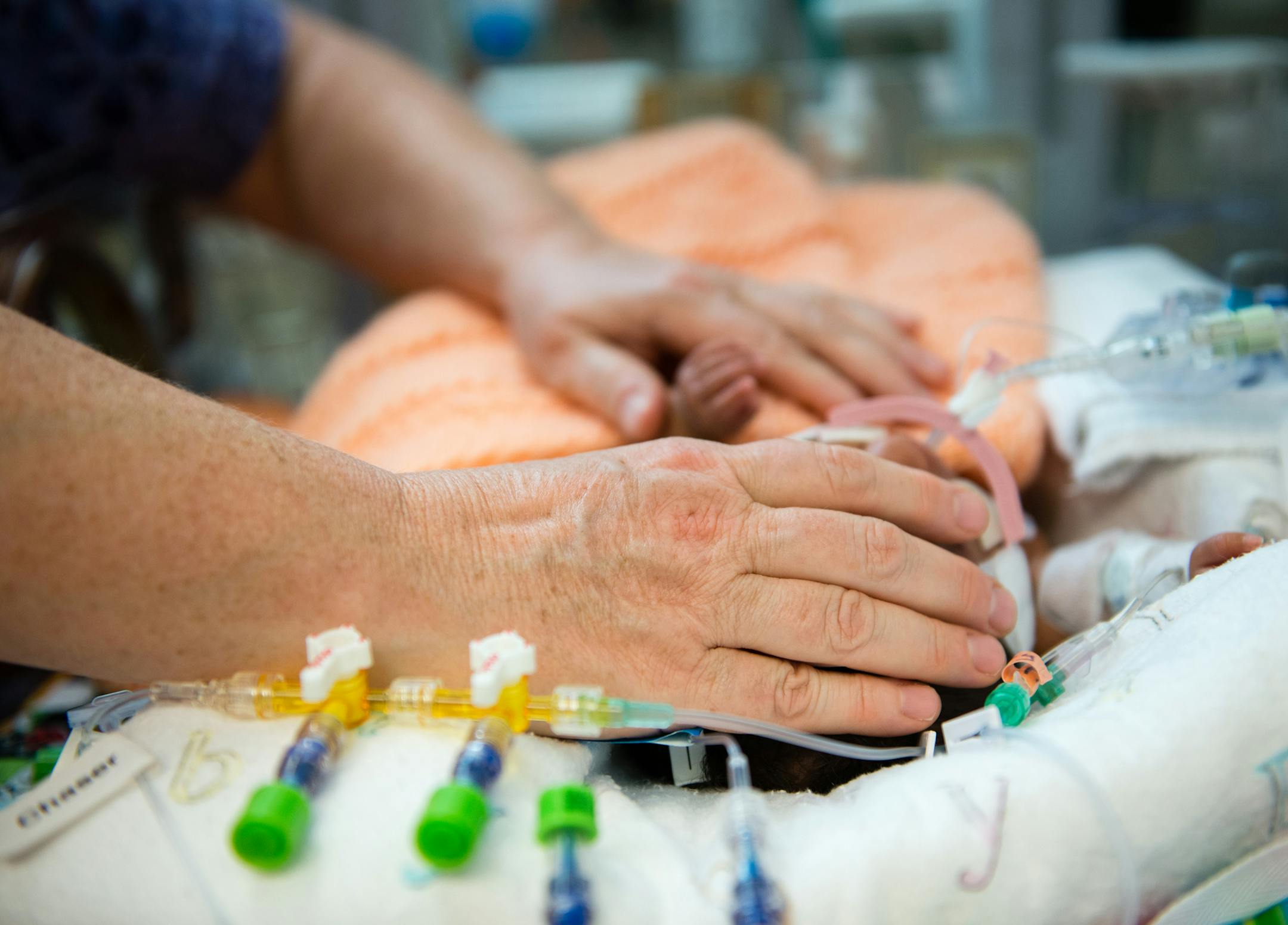
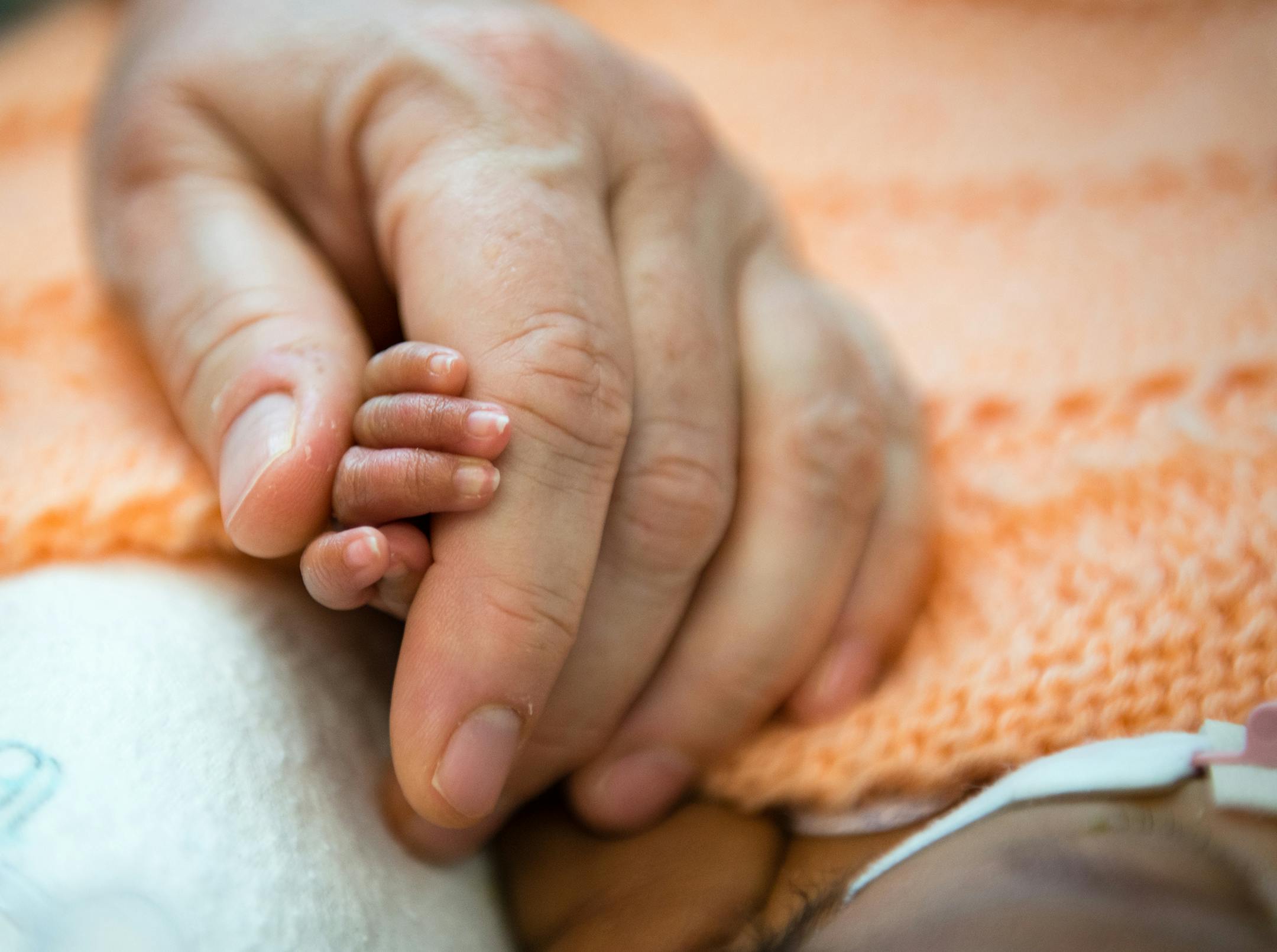
There's little room to navigate — the space is jam-packed with the beeping machines, ventilators and nurses, who can care for as many 70 fragile infants. One tiny pink baby here was born weighing 13 ounces.
"A can of Coke is 12 oz. So imagine a baby who could almost curl up in a fetal position and fit inside a Coke can," said Benitz, the hospital's chief of neonatology.
For Benitz, who first came to Stanford 42 years ago as a medical student, the ability of doctors today to save babies this small feels like something of a miracle. But as far as medical technology has come, he says, some of the sickest and most premature babies who pass through his NICU won't make it or will go on to suffer severe lifelong disabilities.
One of the most difficult parts of Benitz's job is determining how much treatment to give babies like these and when it is time to let them go. More and more, doctors like Benitz are looking to parents to help make these decisions, based on their own values and preferences.
The American Academy of Pediatrics recently advised that parents should be given wide latitude to decide how aggressive doctors should be in cases where their child is at high risk of death or serious disability. In practice, this means parents willing to raise a child with severe disabilities might elect to pursue more aggressive care than those parents who do not want to take on the risk.
That's a big change from the past. When Benitz first started here in 1973, doctors were considered the absolute authorities on life-or-death decisions. They consulted with colleagues, decided how much intensive care to give based on likely outcomes, and often didn't even tell the parents until they'd acted.
"It never occurred to anyone that that might be a reasonable conversation to have," he said. "We were in unexplored territory." Packard Children's social worker Jane Zimmerman, who works with Benitz, said many doctors back then were trying to protect parents. "The rationale for it was they didn't want parents to have to take on that lifelong responsibility at having felt they made a decision that resulted in their child's death," she said.