

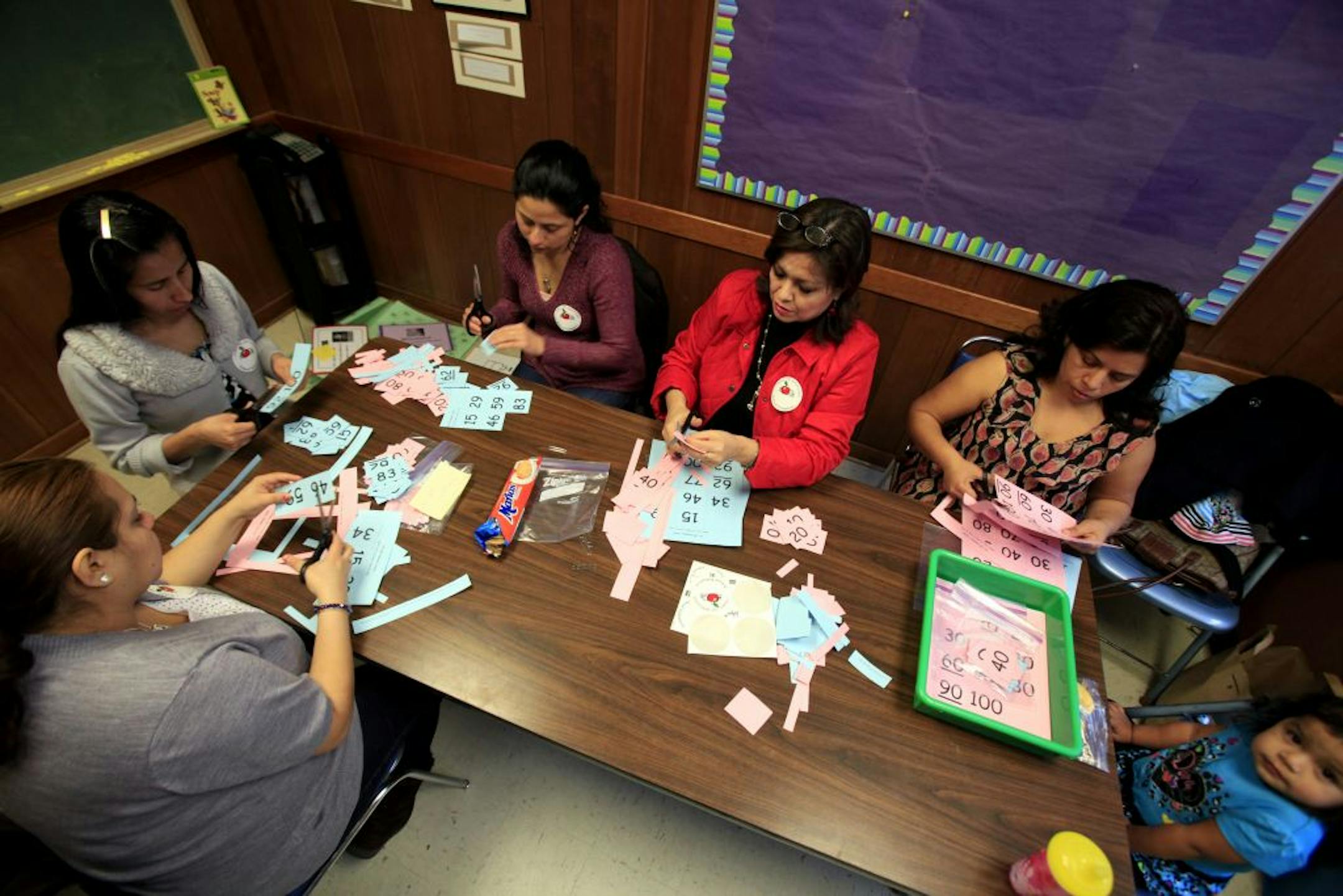
Gone are the days when no news was good news and parents heard from teachers only when a crisis occurred or a child was struggling. Today, most parents expect a collaborative effort in home/school communication. They anticipate regular reports of their child's progress, and they expect their opinions to be received respectfully. Teachers seek the same relationship, as well.
"I can't imagine not having regular communication among students, parents and teachers," said Patti Haberman of Apple Valley, newly retired after 38 years of teaching. "It's almost like magic. Students see how much we care, and I have seen almost immediate changes in many students over the years."
She prefers face-to-face communication, but acknowledges that it is often difficult in today's busy world. Instead, she used to send or answer many e-mails daily. "When parents are connected to a school grade-book program, it really helps their knowledge of what their students are doing academically," she said.
Parents need to let teachers know about any big events -- good or bad -- in a child's life. Events such as job loss, separation or divorce, weddings, births and deaths (even of pets) can affect academic and social behavior, said Kathleen Olson, program director with Partnering for School Success, a project of the Center for Family Development at the University of Minnesota Extension. An informed teacher will adjust expectations and provide needed support, she noted.
"Children do best when parents are connected to their children's school in meaningful ways, and when they know their parents and teachers have regular contact with each other. Parents should look at themselves as a partner in their child's education and think about what they can do at home to support what the teacher is doing in the classroom," said Olson.
Many families have access to technology, but not all do, Olson said. Then teachers must find alternative ways to work with families. In some instances, technology isn't the best method to deal with difficult issues, and a phone call or personal visit may be more helpful.
Parents in the know
Ann Hobbie, project coordinator for Parents United for Public Schools and a mother of teenage sons in St. Paul public schools, keeps in touch so she can tell "how a teacher knows -- or doesn't know -- my child, and how I can best support their teaching and my child's learning.


