

PAKISTAN - The man steering a donkey cart on the highway was not what caught my eye. By that point in a recent trip to Pakistan, I had grown accustomed to the sight of donkeys in traffic — ambling alongside rickshaws, tattoo-painted buses and motorbikes carrying entire families.
What stood out were the white ear buds dangling from the donkey driver's ears.
It was just one of many split images of old and new realities colliding and commingling in this still-budding South Asian country.
The last time I was in Pakistan was 1988. Benazir Bhutto had just been elected Pakistan's first female prime minister — the first female leader of any Muslim nation and so far the only one. Her victory energized the masses, stirring optimism about the country's future.
Twenty-five years later, I returned to find pictures of the late Bhutto plastered everywhere — often with the title "shaheed," or "martyr," next to her name. Even the airport in Islamabad, the nation's capital, was named for her after she was assassinated while campaigning in 2007.
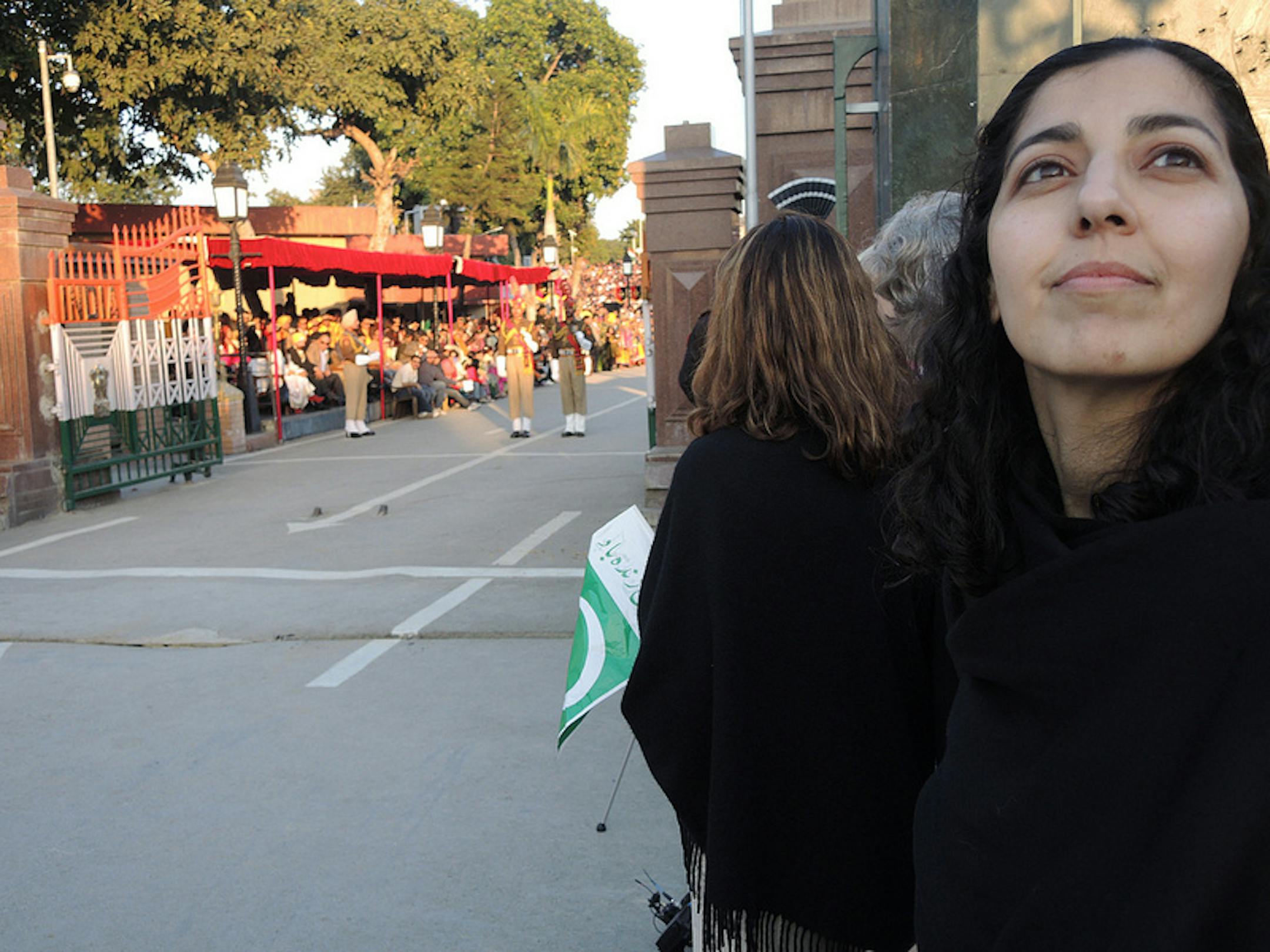
I toured Pakistan as part of a seven-member delegation of American journalists on a trip organized by the Washington D.C.-based International Center for Journalists and funded by the U.S. State Department.
It was a rare chance to get an up-close view of a country that has long been a strategic U.S. ally and has become even more significant since 9/11. A nuclear power in a tough neighborhood, Pakistan has the sixth-largest population in the world and is projected to have the fourth-largest in just a few decades.
Though my visit was professional, the experience was also deeply personal. I longed to reconnect with the land my parents left in the late 1960s to pursue the American dream — the place that held fond memories for me from childhood visits there. I was eager and nervous at the same time to see how the passing years had changed us both.


