From the vantage of 2016, the military career of Seth Eastman has all but vanished from history while his artistic achievements loom large.
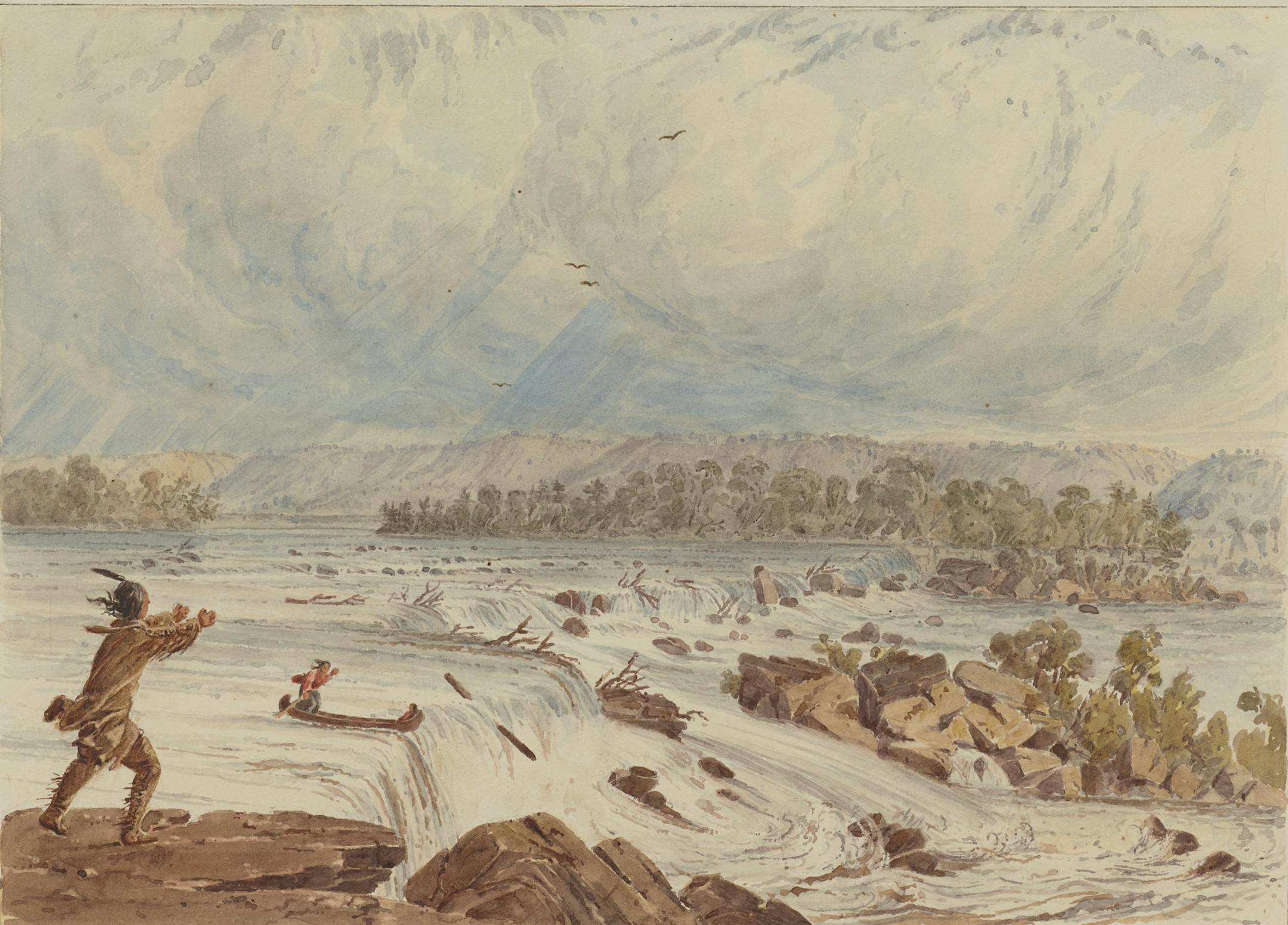
Eastman was commandant of Fort Snelling from 1841 to 1848 — his second tour of duty to what was then a quiet wilderness outpost. His new position allowed time to pursue his passion for painting the Dakota Sioux and Ojibwe people who lived nearby.
The sketches he did then remain among the most revealing records of that era in Minnesota and the nation's history.
"He learned the Dakota language, knew this culture was disappearing, and felt impelled to record it," said Marla Kinney, a curatorial fellow who researched a show of 18 Eastman watercolors that opens Saturday at the Minneapolis Institute of Art.
The watercolors were painted in 1849-55, after Eastman returned to Washington, D.C., as illustrations for "Indian Tribes of the United States," a six-volume study commissioned by Congress and written by Henry Rowe Schoolcraft, the explorer who established the origin of the Mississippi River in northern Minnesota.
In Eastman's day, Fort Snelling overlooked a wide landscape of rivers, prairies and woodland inhabited mostly by nomadic Dakota Sioux and Ojibwe people. The Indians camped in the hills and valleys near the confluence of the Mississippi and Minnesota rivers or lived in villages on the shores of nearby lakes. Statistics are scarce, but a tally taken in the early 1830s found some 8,000 Dakota in the area and about 300 soldiers at the fort.
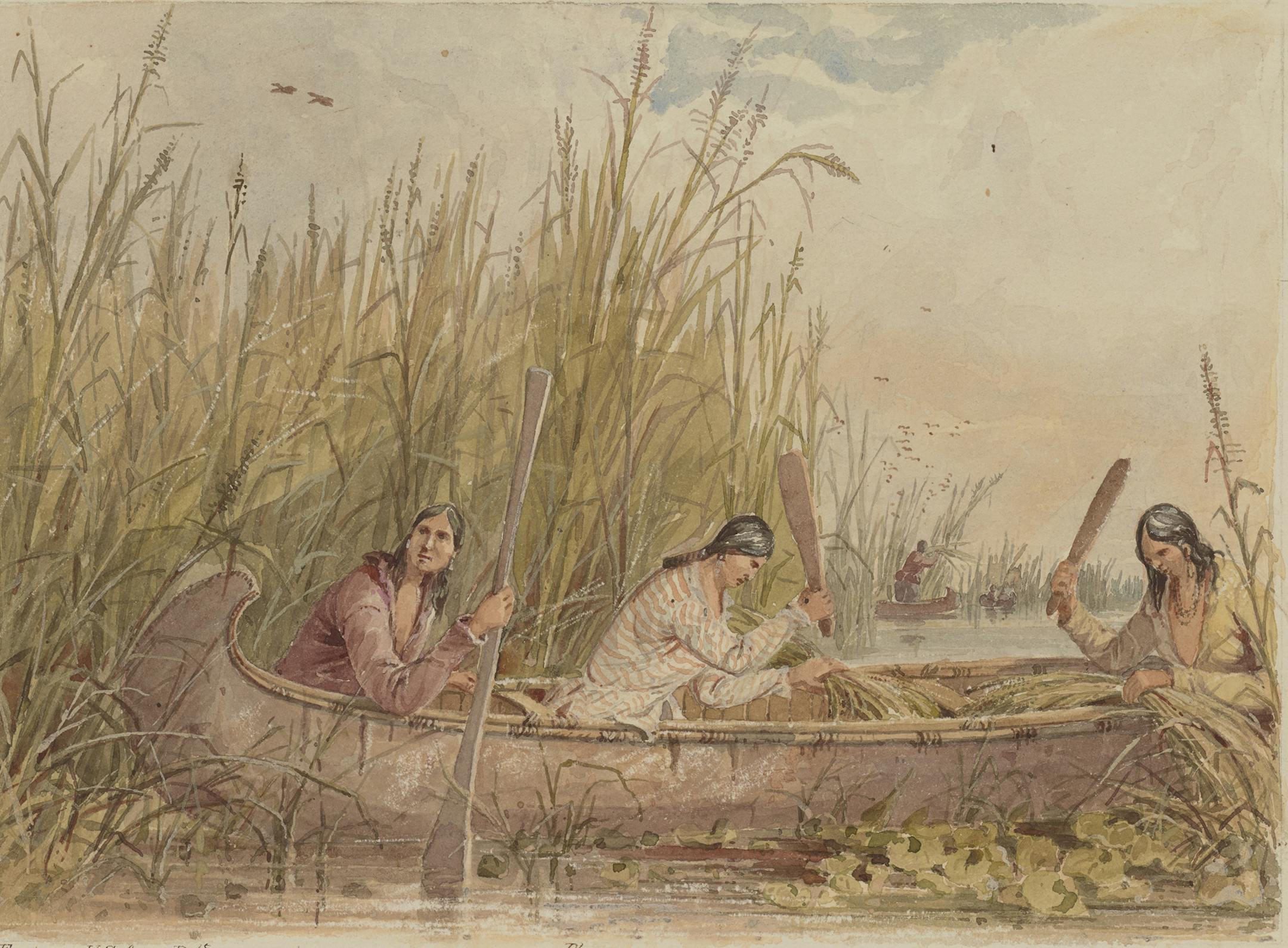
Eastman's watercolor of Ojibwe women gathering wild rice in a birchbark canoe is the earliest known record of the subject. Different styles of Dakota housing appear, one of traditional conical tepees and another of elm-bark lodges that look like Euro-style homes with rectangular door openings, peaked roofs and shady platforms on which kids are seen playing games while animal pelts dry in the sun. Similar platforms appear in "Guarding the Corn Fields," though as perches from which the Indians beat pans and wave their arms to scare off a flock of birds bent on eating the grain.
Given the lively details in "Spearing Muskrats in Winter" (bent grasses, cattails, snow-bogged pine trees), Eastman surely must have hiked out onto a snow-covered marsh with the buckskinned hunters whose packs bulge with rodent carcasses as they thrust their long spears into the muskrat mounds.