
Painkiller sales skyrocket, fueling addictions

Sales of the two most popular prescription painkillers in the United States have exploded in new parts of the country, an Associated Press analysis shows, worrying experts who say the push to relieve patients' suffering is spawning an addiction epidemic.

April 5, 2012 at 4:05PM
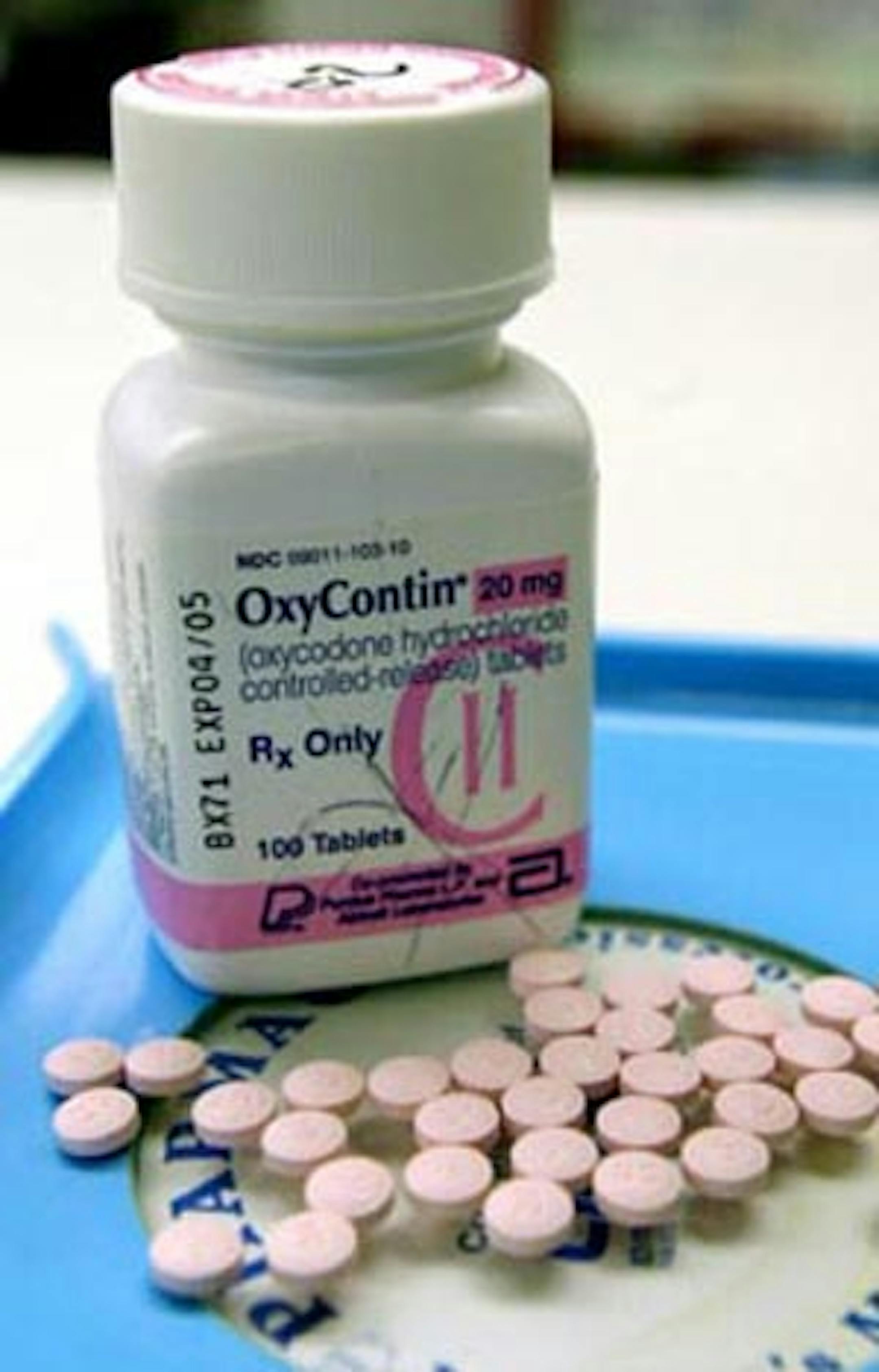
OxyContin tablets are seen at Brooks Drugs in Montpelier, Vt., in this July 19, 2001, file photo.
OxyContin tablets are seen at Brooks Drugs in Montpelier, Vt., in this July 19, 2001, file photo. (Associated Press/The Minnesota Star Tribune)

An Associated Press analysis shows that sales of the two most popular prescription painkillers in the United States have exploded in new parts of the country.

There have been dramatic rises between 2000 and 2010 in the distribution of oxycodone, the key ingredient in OxyContin, Percocet and Percodan, according to data from the Drug Enforcement Administration. Some places saw sales increase sixteenfold.

Meanwhile, the distribution of hydrocodone, the key ingredient in Vicodin, Norco and Lortab, is rising in Appalachia, the original epicenter of the U.S. painkiller epidemic, as well as in the Midwest.

Read the full report here. Here's a graphical look at the AP analysis.

about the writer

about the writer

Colleen Stoxen

Deputy Managing Editor for News Operations

Colleen Stoxen oversees hiring, intern programs, newsroom finances, news production and union relations. She has been with the Minnesota Star Tribune since 1987, after working as a copy editor and reporter at newspapers in California, Indiana and North Dakota.

See Moreicon

More from No Section

See More
FILE -- A rent deposit slot at an apartment complex in Tucker, Ga., on July 21, 2020. As an eviction crisis has seemed increasingly likely this summer, everyone in the housing market has made the same plea to Washington: Send money — lots of it — that would keep renters in their homes and landlords afloat. (Melissa Golden/The New York Times) ORG XMIT: XNYT58
Melissa Golden/The New York Times

It’s too soon to tell how much the immigration crackdown is to blame.