Time, wind and water are slowly wearing away the cedar mortuary poles that stand scattered across SGang Gwaay, once a thriving village of the Haida people.
Most of the 20 houses that once lined a quiet cove are gone. So, too, are towering story poles, taken away to be housed in museums across Canada. What remains of the thriving community of 300 people are these weathered mortuary poles — the keepers of the dead.
The weathered poles were designed to hold family bones. I can still make out eyes, teeth and arms, though parts of the carved poles, such as birds' beaks, have fallen off. Part of me wants to preserve the animal and human faces that look out from the mortuary poles. But the Haida people — who comanage this park and to whom these poles belong — disagree. They believe that what comes from the land goes back to the land.
I was visiting SGang Gwaay on the first full day of an eight-day kayaking trip to Gwaii Haanas National Park Reserve on Haida Gwaii, an archipelago about 40 miles off the coast of Canada's British Columbia. The area, just south of Alaska, was known as the Queen Charlotte Islands until 2010.
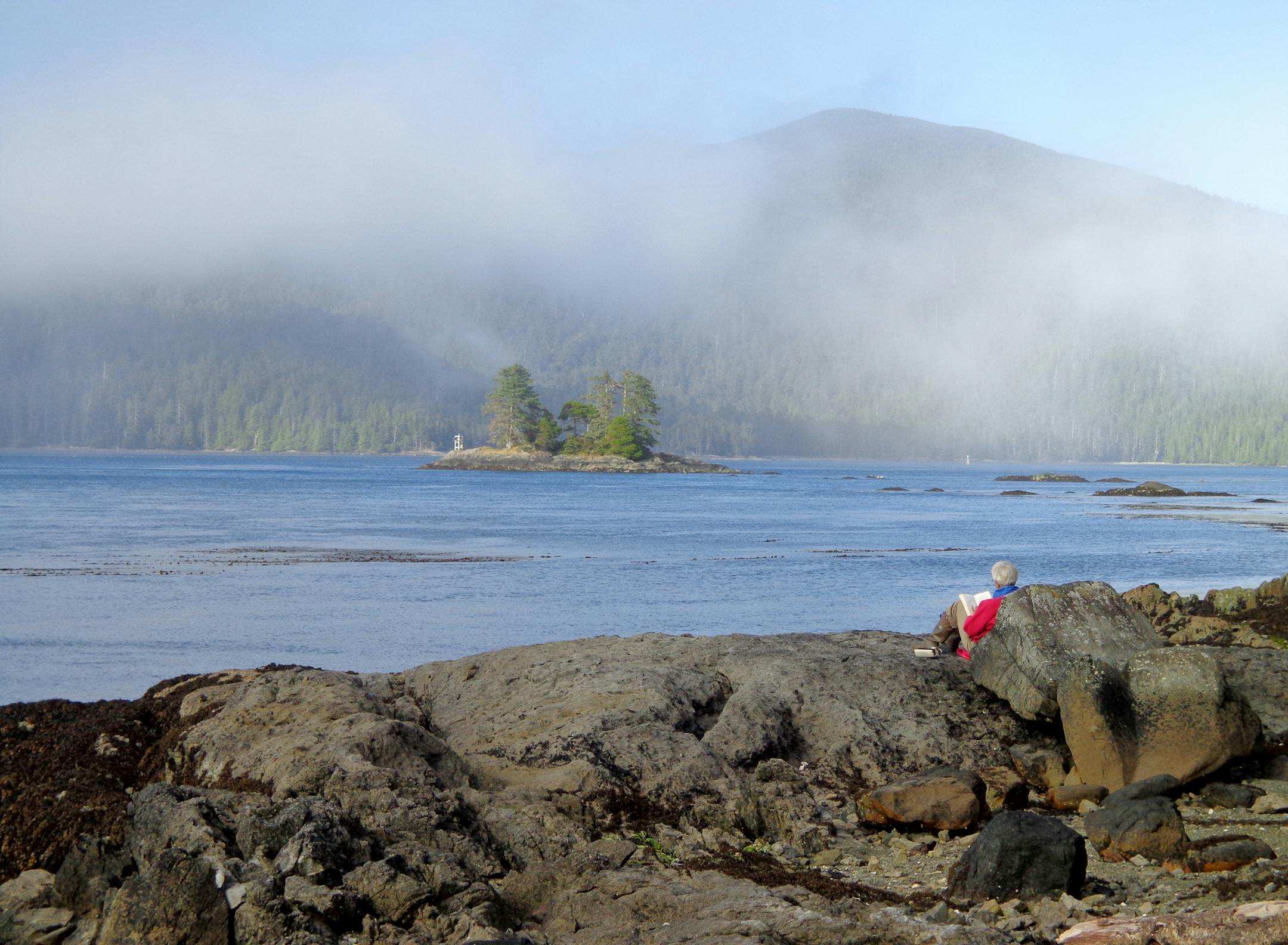
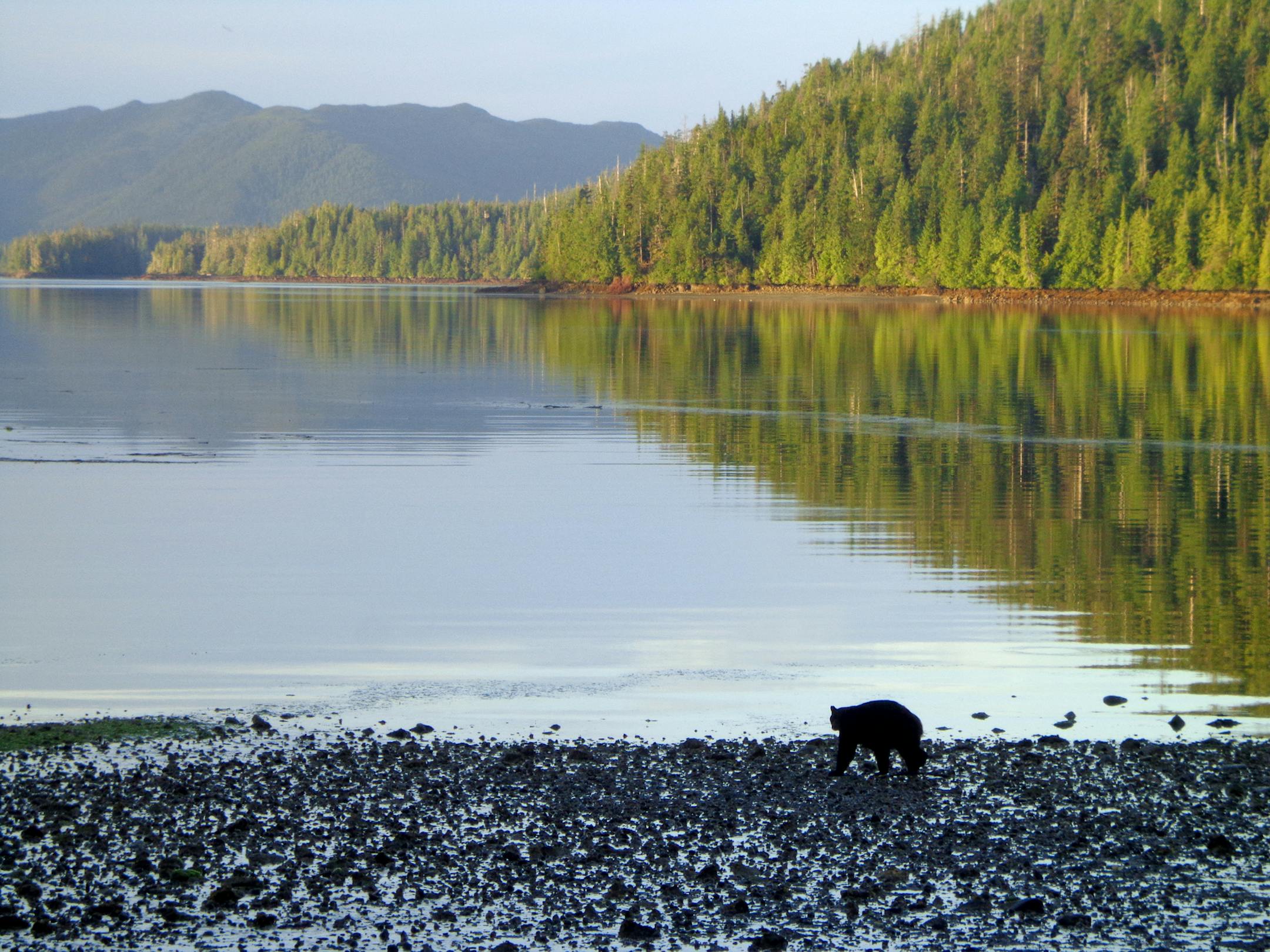
"I'm not really such a spiritual person, but it was a really spiritual experience being there," fellow traveler Gisela Curwen of Toronto said later of visiting SGang Gwaay. She was among our group of 10, plus two guides, who were exploring Gwaii Haanas, a magical place that combines stunning beauty and wildlife and is a UNESCO World Heritage Site. The blue and green landscape reminded me of the Boundary Waters Canoe Area Wilderness, but with mountains, sea lions and whales. Haida people lived on these islands for 8,000 years, up until the start of the 20th century. Today, descendants of the Haida interpret historical sites for visitors like us who arrive by water to learn more about their past.
I was on the trip thanks to my friend Terri Shefelbine of St. Paul, who first heard about Haida Gwaii while hiking with her husband on Vancouver Island. Kayaking Gwaii Haanas had been on her bucket list ever since.
We booked our trip with Tofino Expeditions, an outfitter that guided our journey and supplied us with kayaks, tents, food and expert advice. Although I've canoed Minnesota's rivers and lakes, I had never sea-kayaked. Nor had I heard of Haida Gwaii, but I gladly accepted Terri's invitation to join her after learning more. In a little more than a week's time, we made new friendships, witnessed the unspoiled beauty of a distant landscape, pushed ourselves to meet the physical challenge and learned how an indigenous people fought to preserve this awesome landscape.
Gwaii Haanas National Park Reserve owes its existence to the local Haida people, who were distressed by the destruction they saw as logging companies encroached ever deeper into the islands. In 1985, the Haida linked arms to block logging trucks on Lyell Island, and their protest garnered international attention. In 1988, the southern one-third of the islands received protected status and Gwaii Haanas became part of the Canadian national park system.