"Think of a man, I say, whose splendid hopes have come to nothing, to whom the happiness of love and friendship offers nothing but acutest pain." The words come from composer Franz Schubert in a letter he wrote to a friend in 1824, when he was suffering from an incurable illness.
For contemporary American composer Julia Wolfe, Schubert's harrowing self-analysis was the starting point for a new work given its Twin Cities premiere Sunday in the Schubert Club's Music in the Park Series.
Scored for a standard string quartet with extra cello, "Splendid Hopes" belied its title with restlessly pulsing motor rhythms and frazzled polyphonic textures. The music suggested anxiety and foreboding more often than bright optimism for the future.
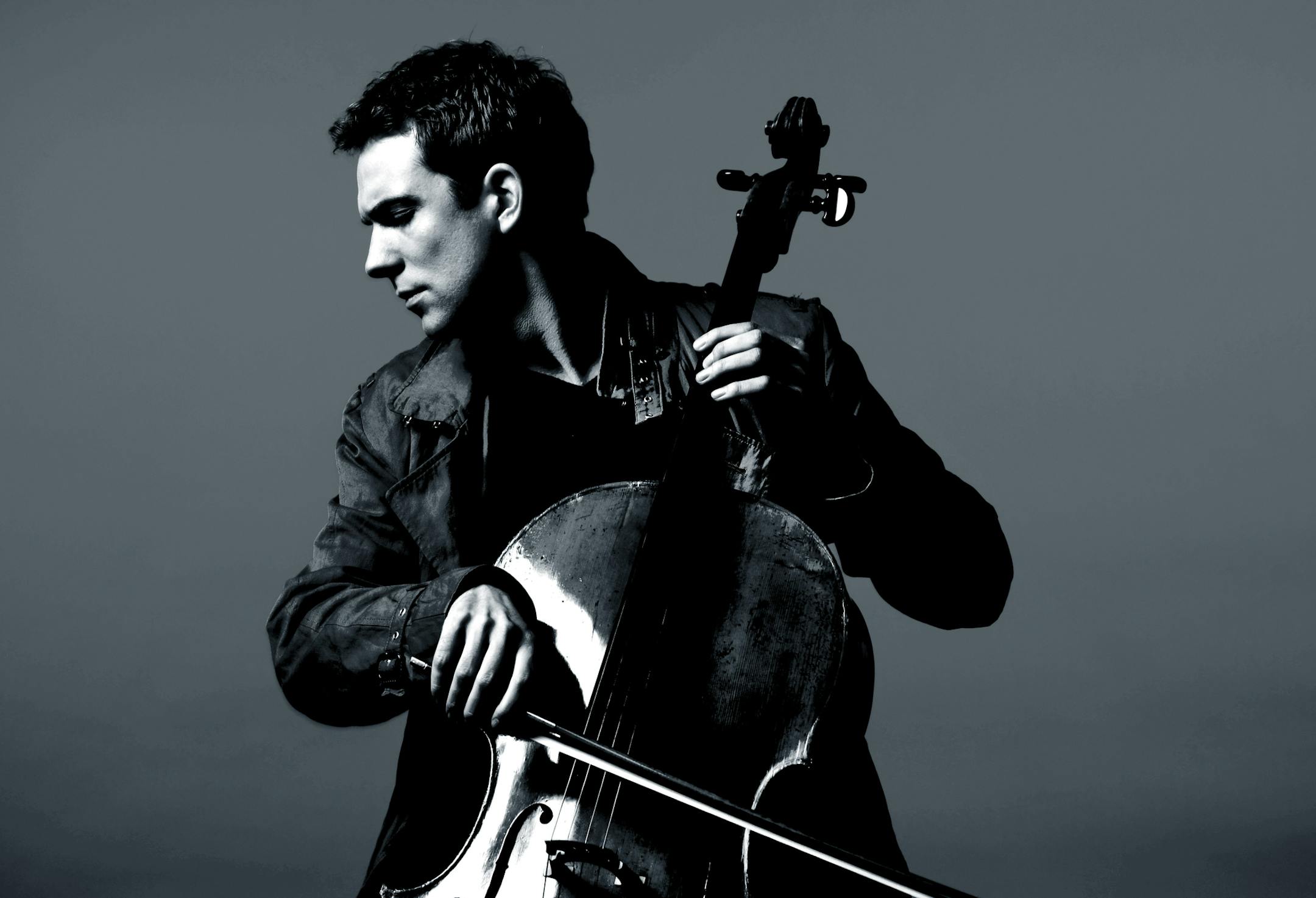
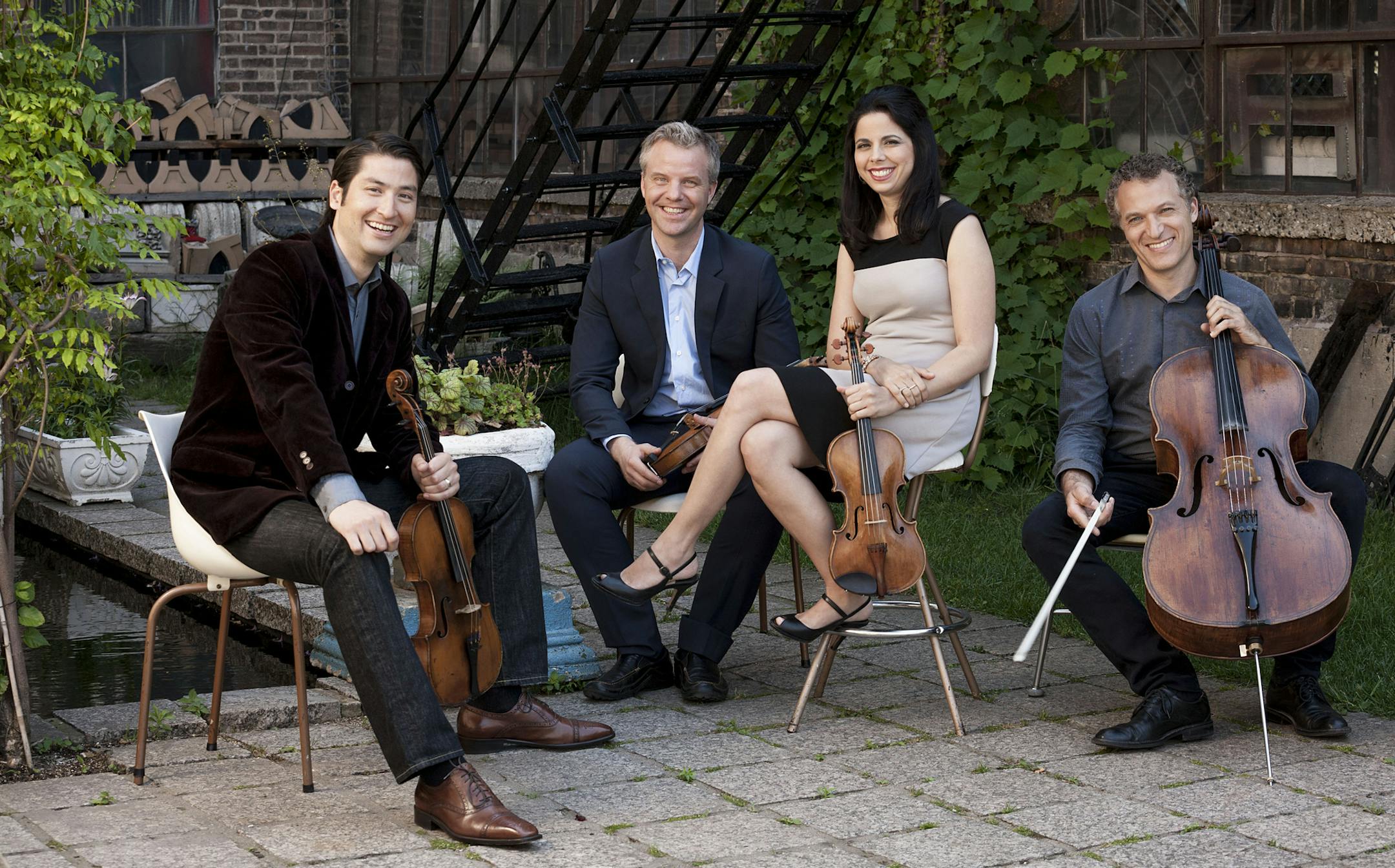
Guest cellist Johannes Moser, appearing along with the Pacifica Quartet, was front and center in the piece's opening section, driving in Wolfe's repetitious patterns with acute precision. His brief, lyrical duet with fellow cellist Brandon Vamos was a rare moment of tuneful consonance — hope wistfully remembered, perhaps, from a place of disillusioned experience.
A clutch of surging string chorales propelled the piece toward its conclusion. In these the Pacifica players and Moser achieved a saturated quality of texture recalling an Elizabethan viol consort, souped up and super-loaded for the 21st century. "Splendid Hopes" is a significant addition to the string quintet repertoire, and this was a formidably convincing performance of it.
Another string quintet, by Schubert himself, came after the intermission. He wrote the piece just before he died, which is why the piece is often presented in an over-reverential, maudlin fashion.
In parts it was, but the Pacifica Quartet's interpretation was bracingly robust and full of vigor, a sharp reminder of how fiercely Schubert's creative fires were burning as terminal illness killed him. A classical elegance marked the playing in the opening movement, with just a hint of heavy-handedness in the jabbing cello sforzandos.
When sadness came, in the famously poignant slow movement, it came with dignity. The tempo flowed gracefully, the impression of a funereal dirge avoided. Moser again obtruded slightly, his plonking pizzicati threatening to deflect attention from the delicately sifted harmonies above him.