

COVID has laid bare our country's terrible health disparities for all to see. One cannot be human and turn away from these life-threatening inequities.
In this pandemic, communities of color have faced substantially higher rates of infection, hospitalization and death. And despite laudable efforts from leaders and health care providers, these disparities persist.
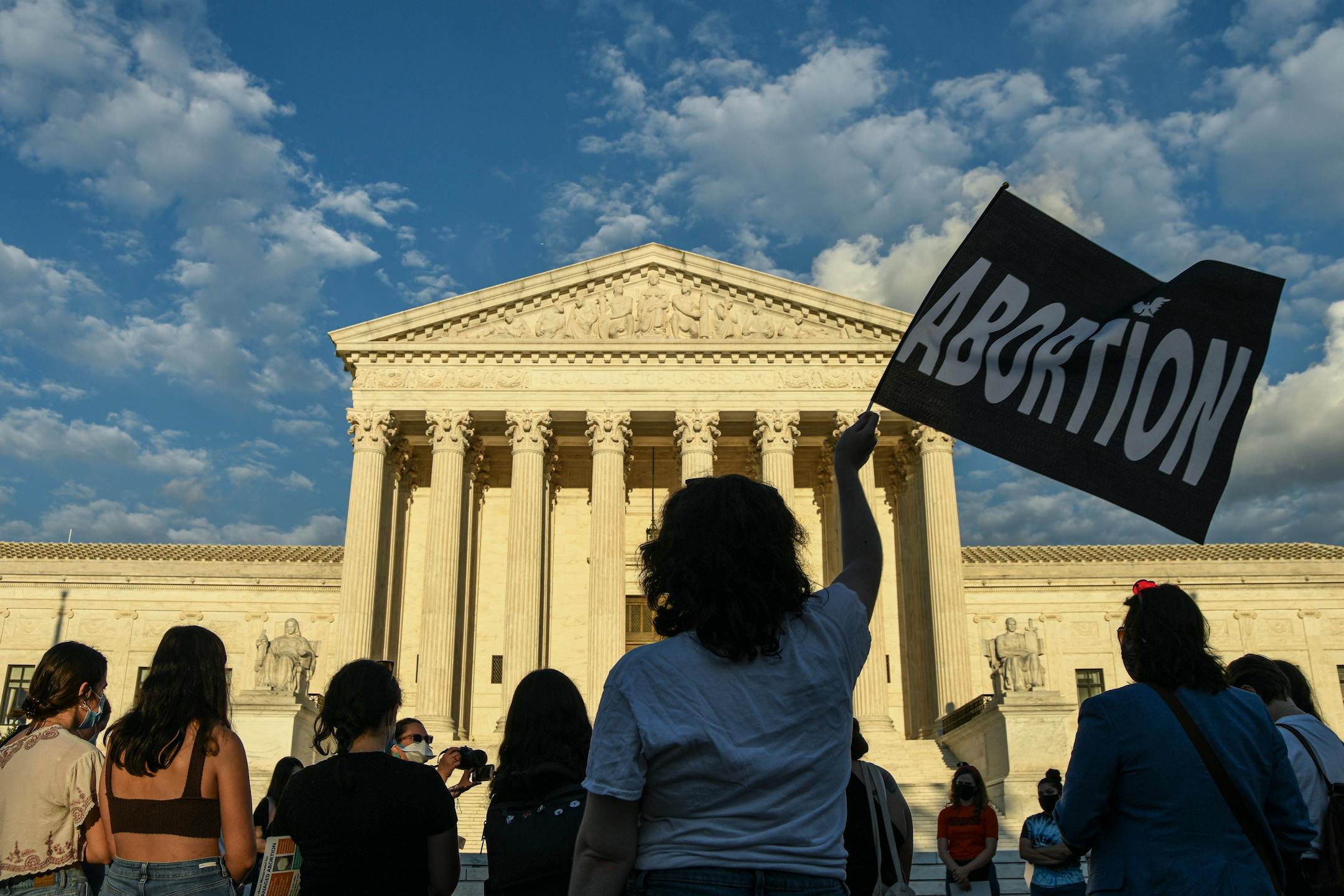
Now, while still in the midst of the pandemic, the Supreme Court is preparing to issue a monumental decision that many of us believe will either eliminate or dramatically weaken access to abortion in at least 26 states, according to the Guttmacher Institute.
So instead of moving forward on eliminating health disparities, we are about to take a huge step backward.
This week, the new conservative majority on the Supreme Court begins reviewing a Mississippi state law that bans all abortion after 15 weeks. By July 2022, the court is likely to overturn or significantly weaken the Roe v. Wade decision that legalized abortion in this country since 1973.
Without Roe, the question of abortion rights will be left to individual states — and with abortion opponents in power in many state legislatures and governor's offices, we are likely to see more abortion bans take effect nationwide.
But when we talk about abortion bans, let's be honest that a ban is only an actual ban for people with low incomes, people of color and those in rural communities. Wealthier people will suffer no "ban" at all; they will book a hotel and jump on a plane to a state where abortion is protected.
It would be more apt to describe these policies as an assault on people who are already banned from other health care they need. Restricting abortion access will result in forced pregnancy for many people and will worsen existing race- and income-based health disparities by driving up maternal and infant mortality rates, according to a brief from 550 public-health and reproductive-health researchers asking the U.S. Supreme Court to strike down the dangerous Mississippi abortion law.


