

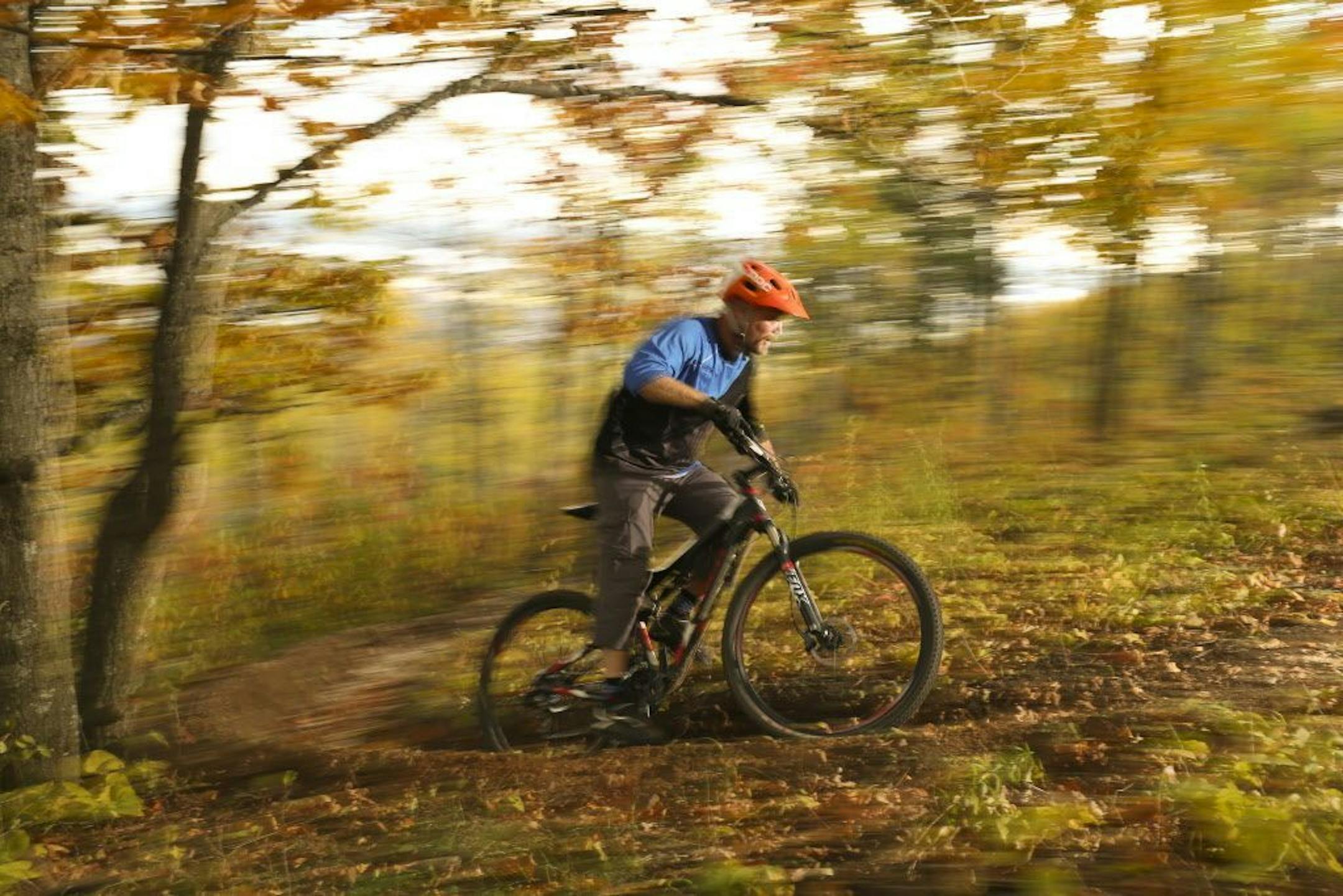
A sea change is occurring in our relationship with the outdoors.
The trend is nationwide. And Minnesotans, despite their brag-worthy natural resources, are not immune. On a per-capita basis, we're doing less outdoors. Since the peak year for nature-based recreation in 1996, there has been a steady decline in the percentage of the population who hunt, fish and visit state and national parks.
There are still 90 million people nationwide and 2.1 million in Minnesota who say they actively participate in nature-based recreation. But those numbers would be much larger if the '96 rates of participation still applied against the larger U.S. and Minnesota population numbers.
They don't.
The U.S. Fish and Wildlife Service, which regularly undertakes a comprehensive survey of nature-related activity, says the trend started heading south in the late 1990s, primarily driven by a drop in participation by adults ages 20 to 40 and their children.
That is particularly troubling because this age group represents the future of natural resources use.
The reasons behind the recent eschewing of nature are many. A dramatic growth in diversity within our population is a factor. The increasing urbanization of America is another. But the root causes for the downturn are the familiar barriers: time and money.
It's no coincidence that people started finding less time for the outdoors in the 1990s, when the Internet burst onto computer screens. In fact, the 20- to 40-year-olds listed Internet usage, video games and movies as the top three reasons why they don't find time for nature-based recreation.


