Fifteen wildlife habitat restoration projects in large metro regional parks were shut out of recommendations for the latest round of Legacy spending on wildlife habitat preservation, igniting a debate about whether the metro area is being shortchanged and giving rise to an attempt to restore the funds.
So far, the metro area has gotten just 10 percent of the money Minnesota voters approved to protect and improve the state's wildlife habitat in the 2008 Clean Water, Land and Legacy Amendment, which raises money through a statewide sales tax. This year the Lessard-Sams Outdoor Heritage Council — which recommends worthy habitat projects to the Legislature — turned down a joint request of $6.4 million for 15 habitat projects in large metro regional parks. It recommended funding for about $9 million in other metro projects.
The issue has sparked new discussion about whether metro wildlife habitat is as deserving of the heritage funds as habitat in greater Minnesota — and whether the metro area, home to 54 percent of the state's population and the source of most of the Legacy funding, deserves a larger share.
Some counter that the metro area has received more than should be expected, since it accounts for only 3.5 percent of the state's land. A letter sent to all legislators last Thursday by 20 hunting, fishing and conservation groups said "science, not demographics, should dictate where and how Outdoor Heritage Funds are allocated."
Lessard Council officials said the metro projects' application was late and flawed, but 35 legislators in the House wanted to give the metro parks the money anyway. The funds were included in the overall Legacy funding bill that the state House of Representatives passed last Friday. The Senate is expected to take up the bill this week.
Wildlife in the metro
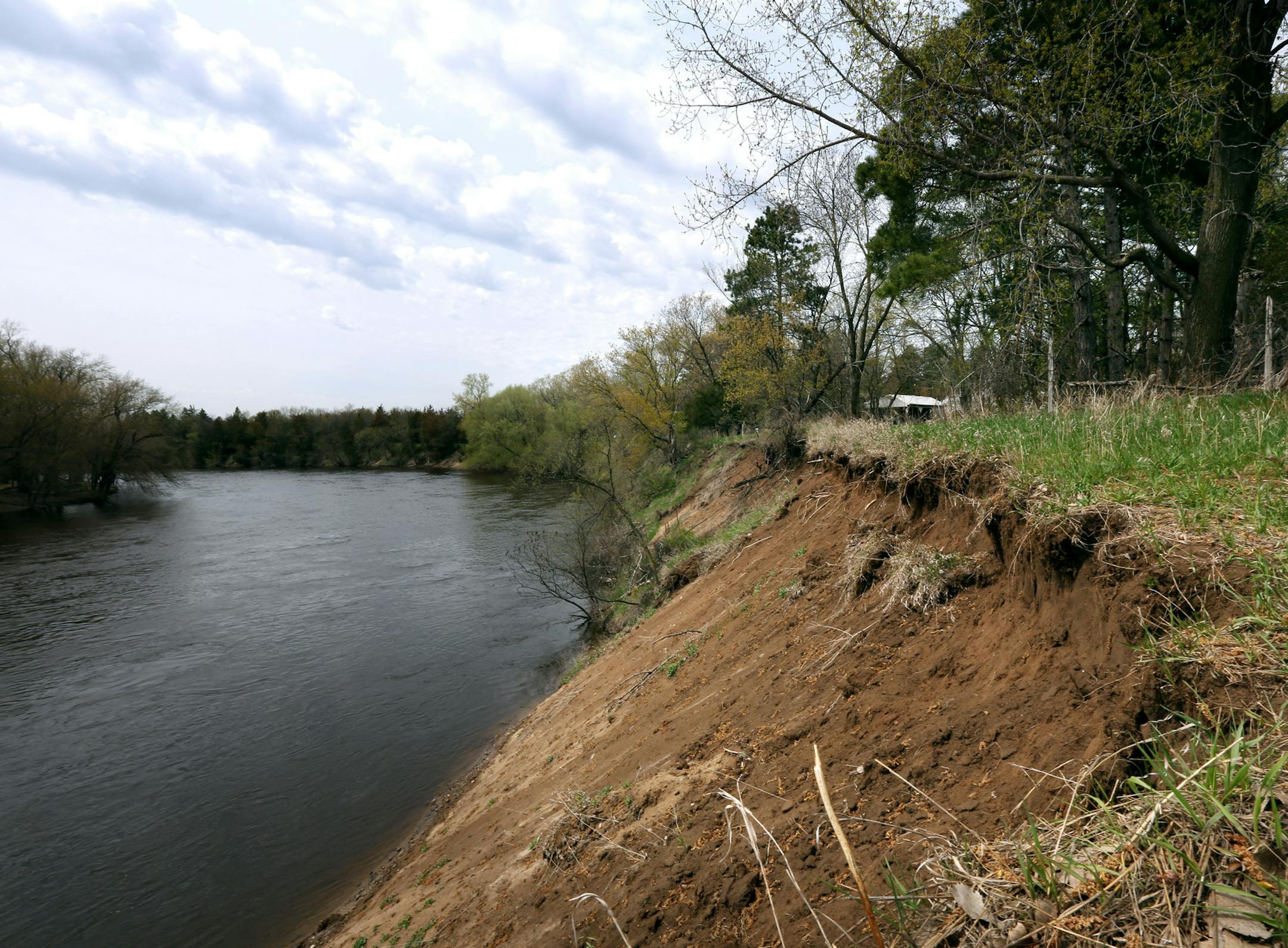
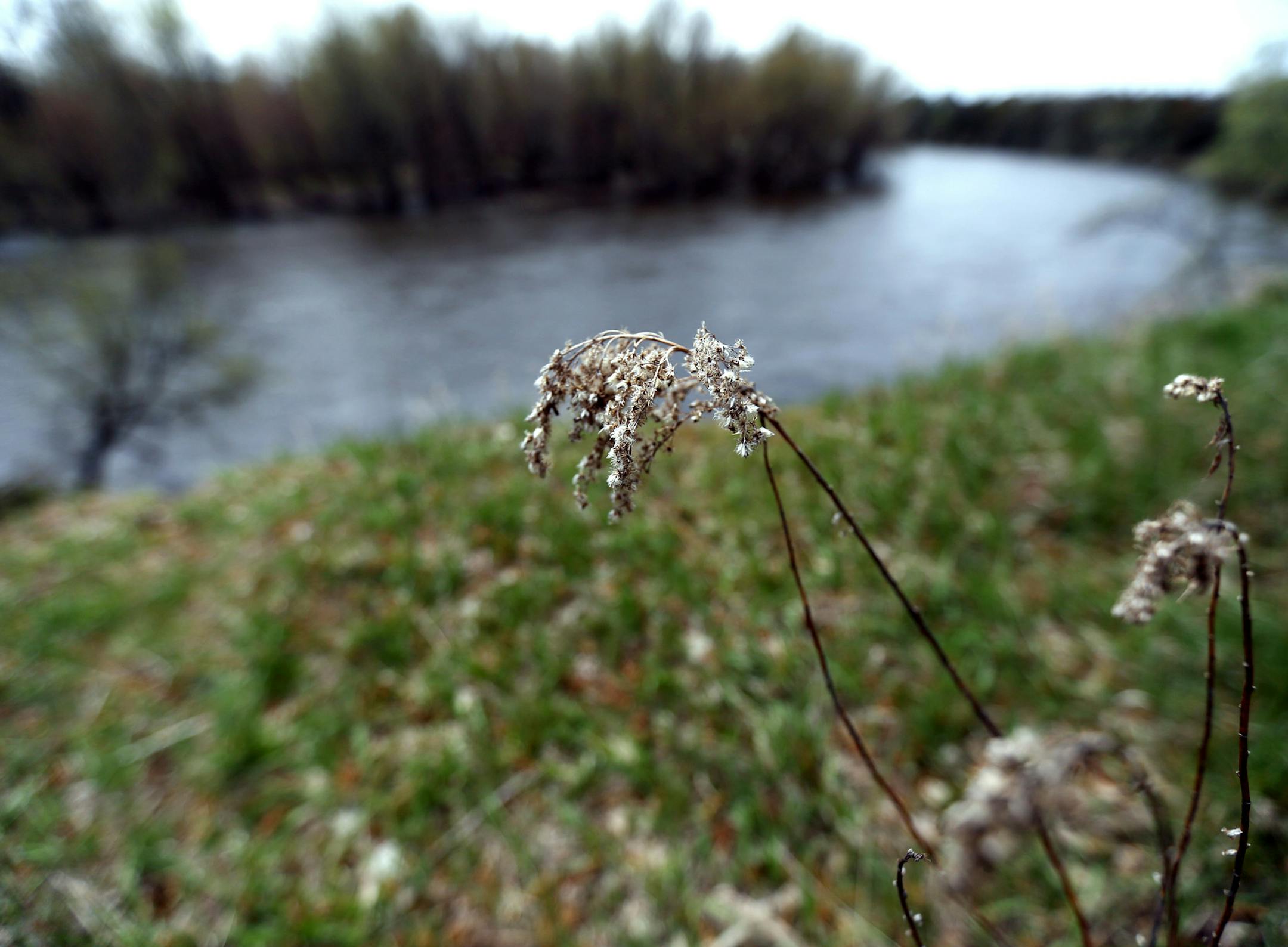
Metro park officials say their prairie, woodlands, wetlands and lakes are as deserving as those outstate.
In metro parks designated as preserves, most land is not developed for recreation but is kept as wildlife habitat where people can see birds and animals and fishing and limited hunting is permitted, said Arne Stefferud, manager of regional parks and natural resources for the Metropolitan Council.
Scott County recently hosted a turkey hunt for disabled veterans, for example. Bow hunting of deer is common in some parks in the fall. And several regional parks offer fishing piers and boat launches, making them the primary fishing opportunity in the metro area, Stefferud said.
![Mississippi West Regional Park in Ramsey. So far just 10 percent of the money Minnesota voters made available to protect, enhance and restore the state wildlife habitat has been spent on wildlife habitat in the metro area. Whether that is as it should be or a slight to the state population center has ignited political debate as the Legislature prepares to approve another round of the spending made possible by voter approval of the 2008 Legacy Amendment. Monday May 13, 2013 Ramsey, MN. ] JERRY HO](https://arc.stimg.co/startribunemedia/DFFZJILU4UKAXSG46FBWZSKHZI.jpg?&w=1080)
![Mississippi West Regional Park in Ramsey. So far just 10 percent of the money Minnesota voters made available to protect, enhance and restore the state wildlife habitat has been spent on wildlife habitat in the metro area. Whether that is as it should be or a slight to the state population center has ignited political debate as the Legislature prepares to approve another round of the spending made possible by voter approval of the 2008 Legacy Amendment. Monday May 13, 2013 Ramsey, MN. ] JERRY HO](https://arc.stimg.co/startribunemedia/45SKARFGV7CPDWFC6LMPOQYZFQ.jpg?&w=1080)