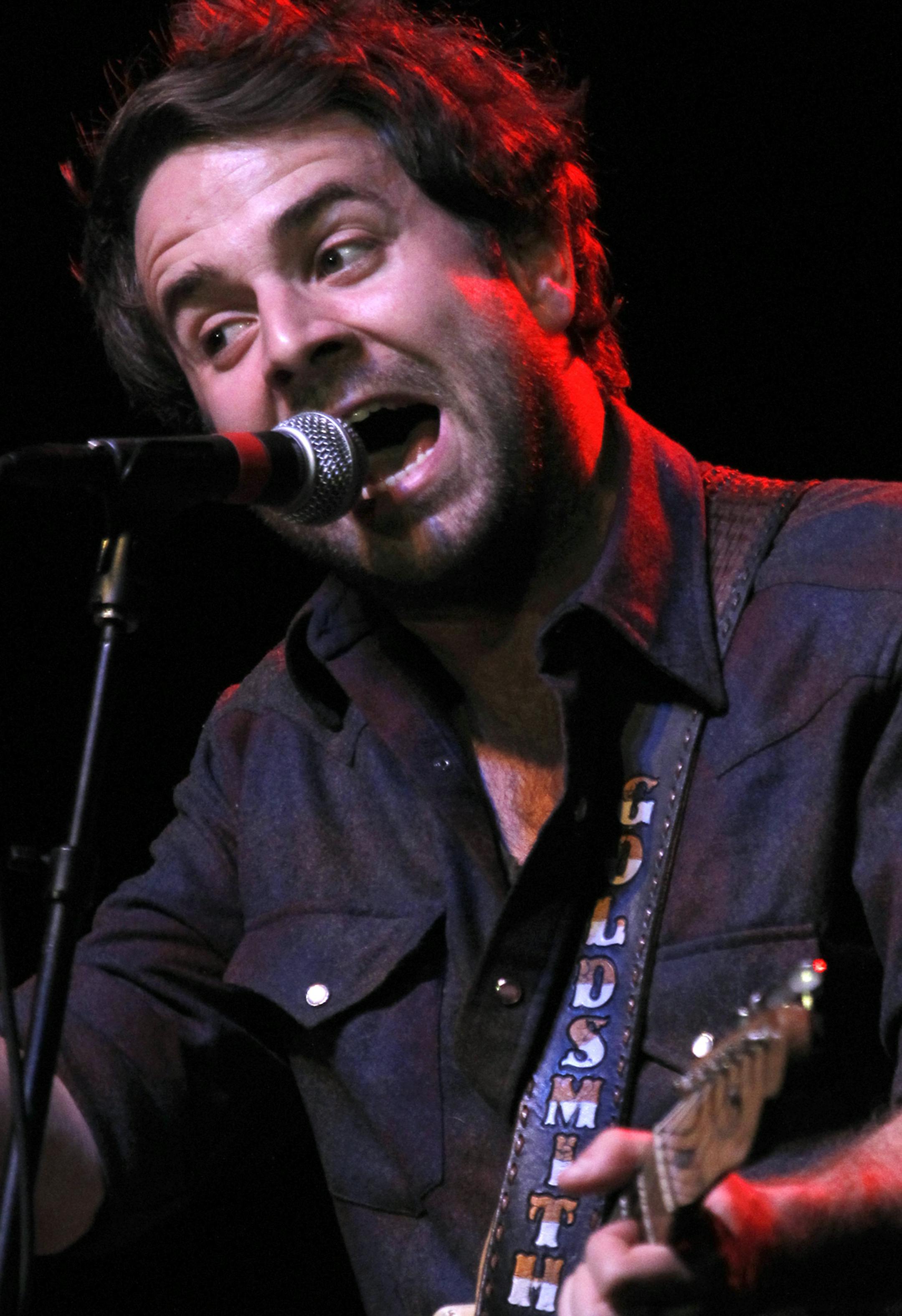
![DAVID JOLES ¥ djoles@startribune.com Minneapolis, MN - July 9, 2010- Eric Hutchinson performs on the Sun Country stage during the 15th annual Basilica Block Party. In this photo:] ORG XMIT: MIN2013060411581949](https://arc.stimg.co/startribunemedia/UM774QLUPQWOUG37IHSDU4NJFE.jpg?&w=1080)
"My home is Tulsa and the band is based in Chicago, but Minneapolis is absolutely our best city to play in," retro rocker JD McPherson told a thrilled, sold-out throng at First Avenue last month.
New York singer/songwriter Eric Hutchinson, who plays Saturday at the Minnesota Zoo, would say the same thing about the Twin Cities. Ditto for Dawes, a young Los Angeles rock band with a 1970s vibe, and Seattle-area singer/songwriter Brandi Carlile, both of which have done two-night New Year's Eve stands here in recent years.
"We've played twice as many shows in Chicago as Minneapolis, and we have no connection to Minneapolis, but that's where we get our largest attendance," McPherson said in an interview last week.
How did the Twin Cities become the No. 1 market for four disparate rising music stars?
The key factors are open-minded audiences who love live music; a variety of venues that help artists build a career, and support from radio and other media.
"The Twin Cities has an active community of fans that support a lot of live music," said Jim McGuinn, program director for 89.3 the Current. "From the Jayhawks to the folk scene in the early '60s, there has been an appreciation here for real songwriters. And there's definitely an appreciation of independent culture, just as there's an appreciation of craft beer. If it's something we feel we can own and grow with, we're early to adopt."
Wes Kidd, who manages McPherson, the Old 97's and Minneapolis' own Soul Asylum, thinks the Twin Cities breaks new artists because the market has "two of the more fiercely independent vehicles for exposure — the Current and First Avenue. They're entrenched and trusted."
Actually, it extends beyond those two tastemakers to what McGuinn calls a "good ecosystem that supports a lot of music."
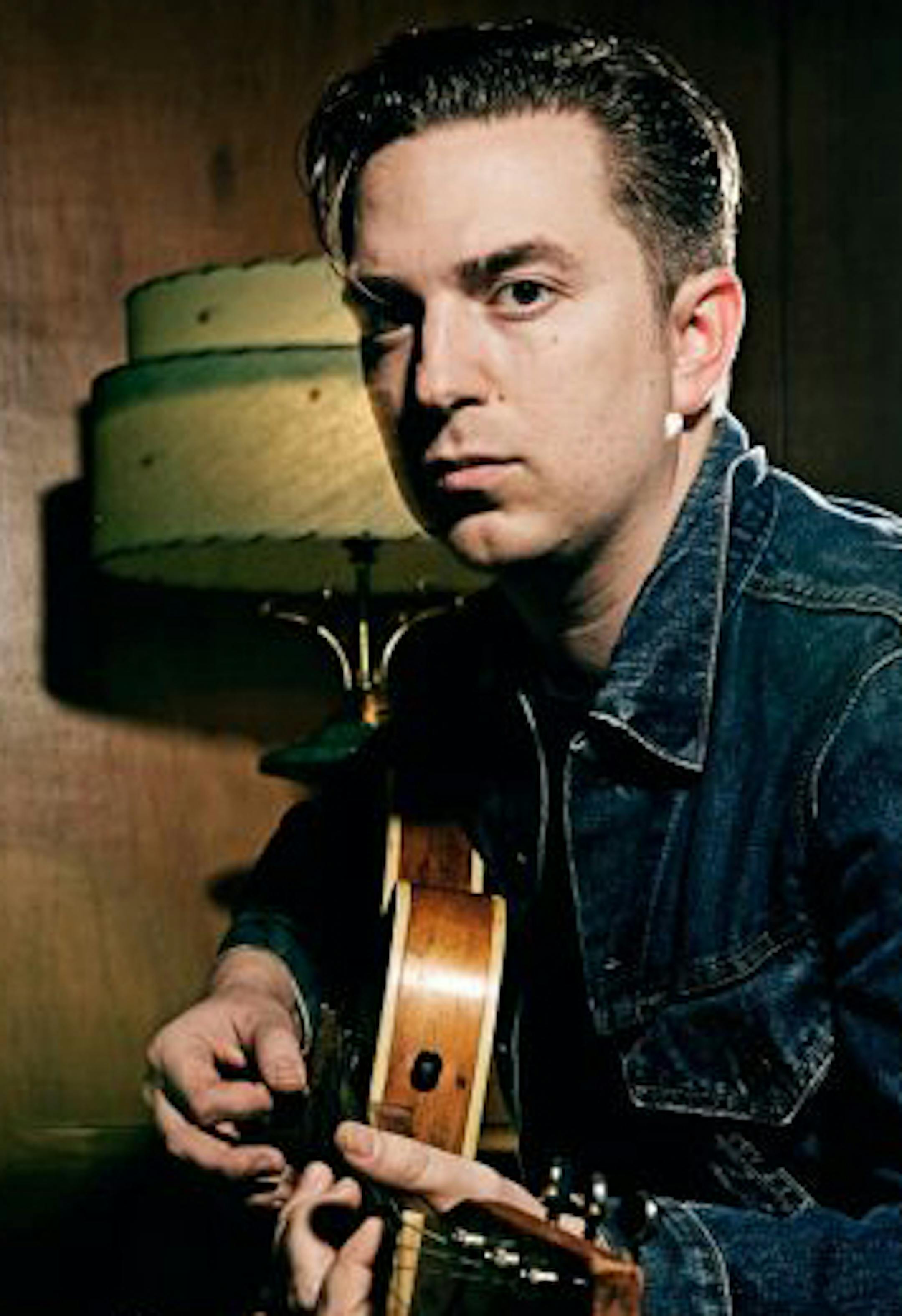
![DAVID BREWSTER • dbrewster@startribune.com Sunday 08/29/10 State Fair (Falcon Heights) GRANDSTAND PERFORMANCE / REVIEW OF BRANDI CARLILE ] Brandi Carlile performing Sunday night at the State Fair Grandstand. ORG XMIT: MIN2013060412000155](https://arc.stimg.co/startribunemedia/YRUT7HUBQEDVKBY6GNKHCDIEZU.jpg?&w=1080)