

The outbreak of COVID-19 here in the United States is not to be minimized. The deadly virus is taking the lives of thousands of our fellow citizens each day, and the efforts to abate its spread has put millions of Americans out of work. The pain of this pandemic is incalculable and will be lasting.
As we trudge through this difficult time in our history, it is worth looking at the comparable realities of those of us in prosperous nations and those living in impoverished ones. In addition to gaining a sense of gratitude, we might be able to even glean a lesson or two.
With COVID-19 spreading throughout our neighborhoods, we now have a new normal. Just months ago, accustomed to abundance, convenience and prosperity, Americans now are confused and anxious and afraid as we face a sense of scarcity.
We find ourselves impatient with long lines, supply shortages and restrictions on movement. We fear that our health care system will be overrun and attempt to flatten the curve until more medical supplies and ventilators can be manufactured. We are panic-stricken about food supplies not being in adequate stock. We don't like the boredom of "shelter at home" orders; telephone calls, Zoom meetings, books, family and television are not enough to satiate our tiny attention spans.
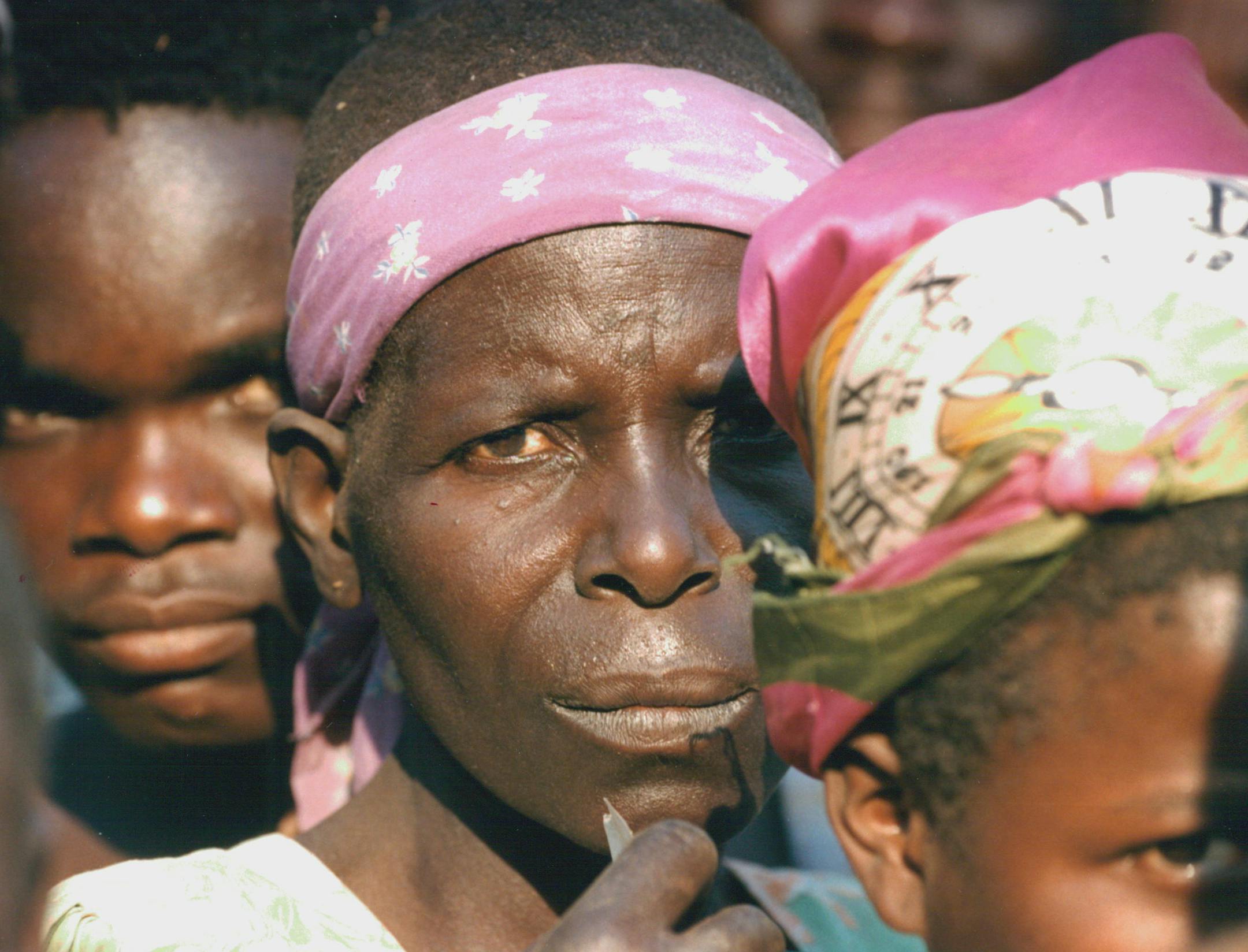
Consider on the other hand the daily and normal plight of the more than 70 million refugees living across the world today. For them, our new normal is their normal.
Refugees are accustomed to long lines. They daily walk long and wait just for water — if they are lucky enough to have access to it. They live without basic supplies. And they have no access to any clinic that is not already overrun. The medical supplies we are short of don't even exist in their poverty-stricken camps. Refugees shelter at home every day in tents without access to internet, TV or any of the distractions we take for granted.
The fear, suffering and angst that we now feel are felt by refugees every day.
Most of us among the affluent in America have too much food, more stuff than we want, tremendous health care, retirement plans and insurance. For many of us, our first worlds only fall apart when facing the rogue difficult events in life: death, cancer, divorce, addiction, and business failure, to name a few.


