

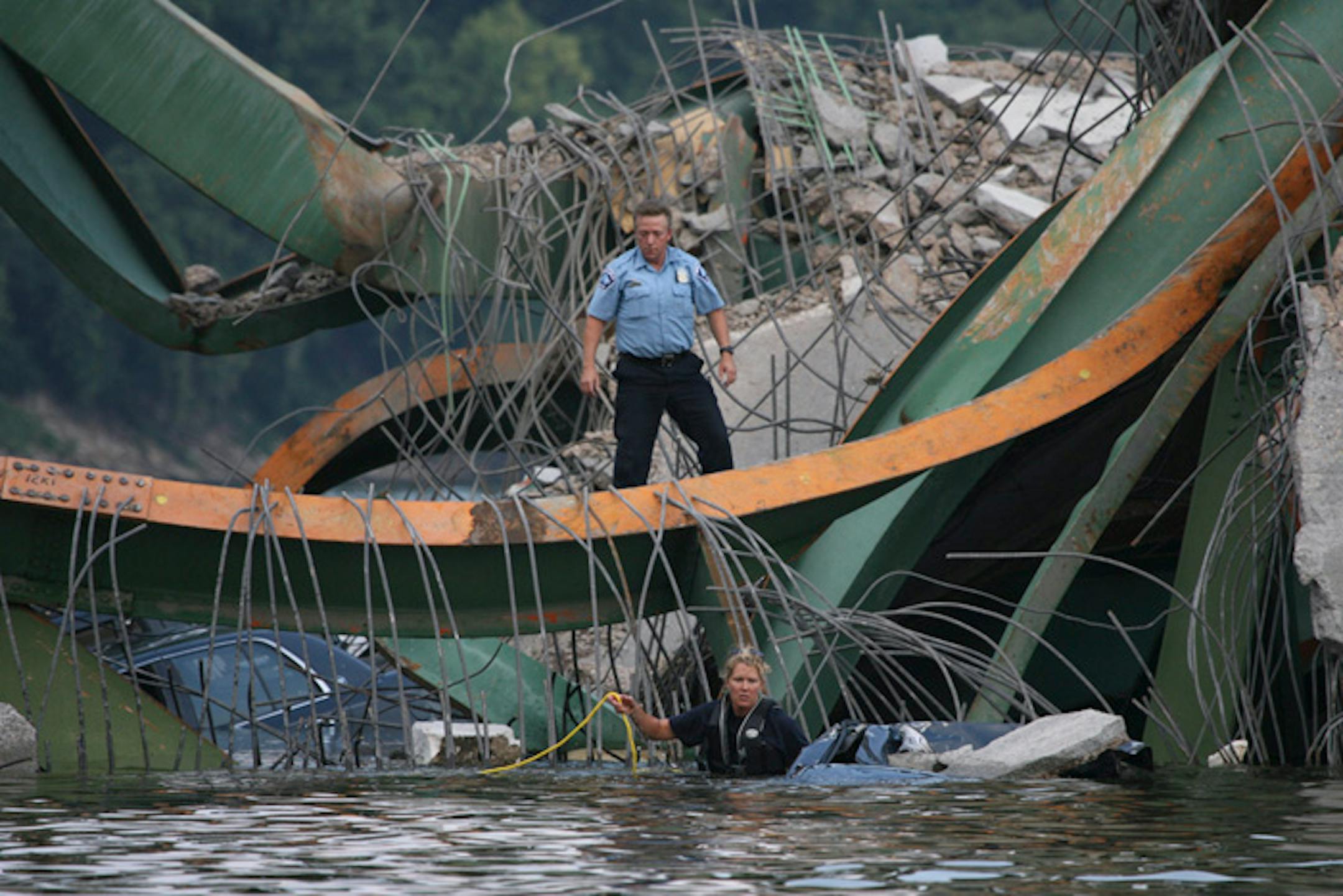
WASHINGTON
It was a year ago today that the 35W bridge collapsed into the Mississippi River in Minneapolis, stunning a nation that had long taken its vaunted highway system for granted.
"A bridge in America just shouldn't fall down," said Minnesota Democratic Sen. Amy Klobuchar, who rushed to the scene along with a host of federal investigators and politicians.
While Congress quickly rose to the challenge of helping to replace the 40-year-old span, it has yet to find the answers -- or the money -- to address a critical national infrastructure problem laid bare by the disaster.
One in four bridges is in need of repair in the United States, and at least $140 billion is needed to make major repairs and upgrades, according to a recent report by state transportation officials from across the country.
The response from Congress so far: A House bill passed last week dedicating $1 billion for bridge maintenance and inspections -- no action yet from the Senate, although there has been no shortage of proposals.
Congress also is embarking on legislation to succeed the last major roads bill, passed in 2005; some say the result could be the most important overhaul of the transportation system since the dawn of the interstate highway system in the 1950s. Already, it seems clear that the biggest challenge, and center of debate, will be finding the money to pay for new investments.
Adding to the challenge: As the debate begins, the primary source for federal road dollars -- the Highway Trust Fund -- is nearly depleted, with demand for its money stretched and the gas-tax revenue that feeds it expected to decline because of rising prices and lower consumption.

