

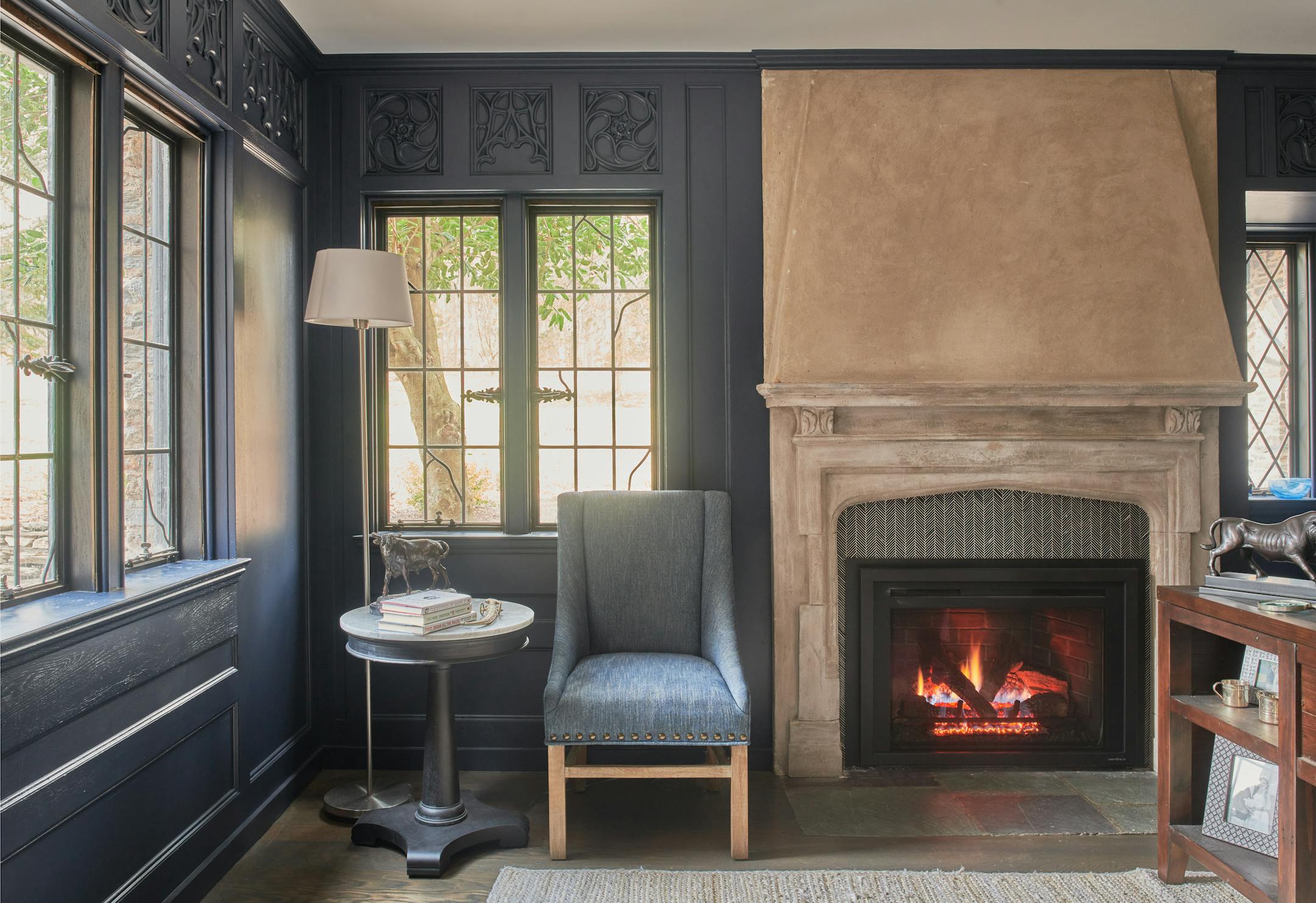
Many vintage homes today are seeing the light, as naked wood staircases, wainscoting, baseboards and beams receive coat upon coat of pale-colored paint. Yet even as the slathered millwork remains wet, emotions are running high — both for those wielding the brushes and those leery of the cover-ups.
"I don't know if I'm going to make the naughty or nice list in this article," said Brandon Curry, a real estate specialist with Signature Sotheby's International Realty in Michigan, upon revealing that he did not regret whitewashing woodwork in his own 1920s home. The change made the interior seem far larger, he said, and yet, he added, "we got a lot of angry people." Paint, he said, "is the great divider of people."
Images of woodwork before and after painting are pouring forth on social media. Some renovators boast of having "crushed it" by brushing high-gloss paint on formerly honey-colored planks. Angstier homeowners, meanwhile, admit to whitewashing termite-damaged trim amid fears that readers will "grab their pitchforks."
Morgan Munsey, a real estate agent with Compass in Brooklyn and a preservation activist, said that he has been approached by friends worried "you won't speak to us anymore" because they had just painted their long-unspoiled Victorian woodwork. His own home, built in 1890, brims with wood in original finishes: "Four owners, and no one's touched a thing," he said. Its period fidelity has made some people assume he lives with his grandmother.
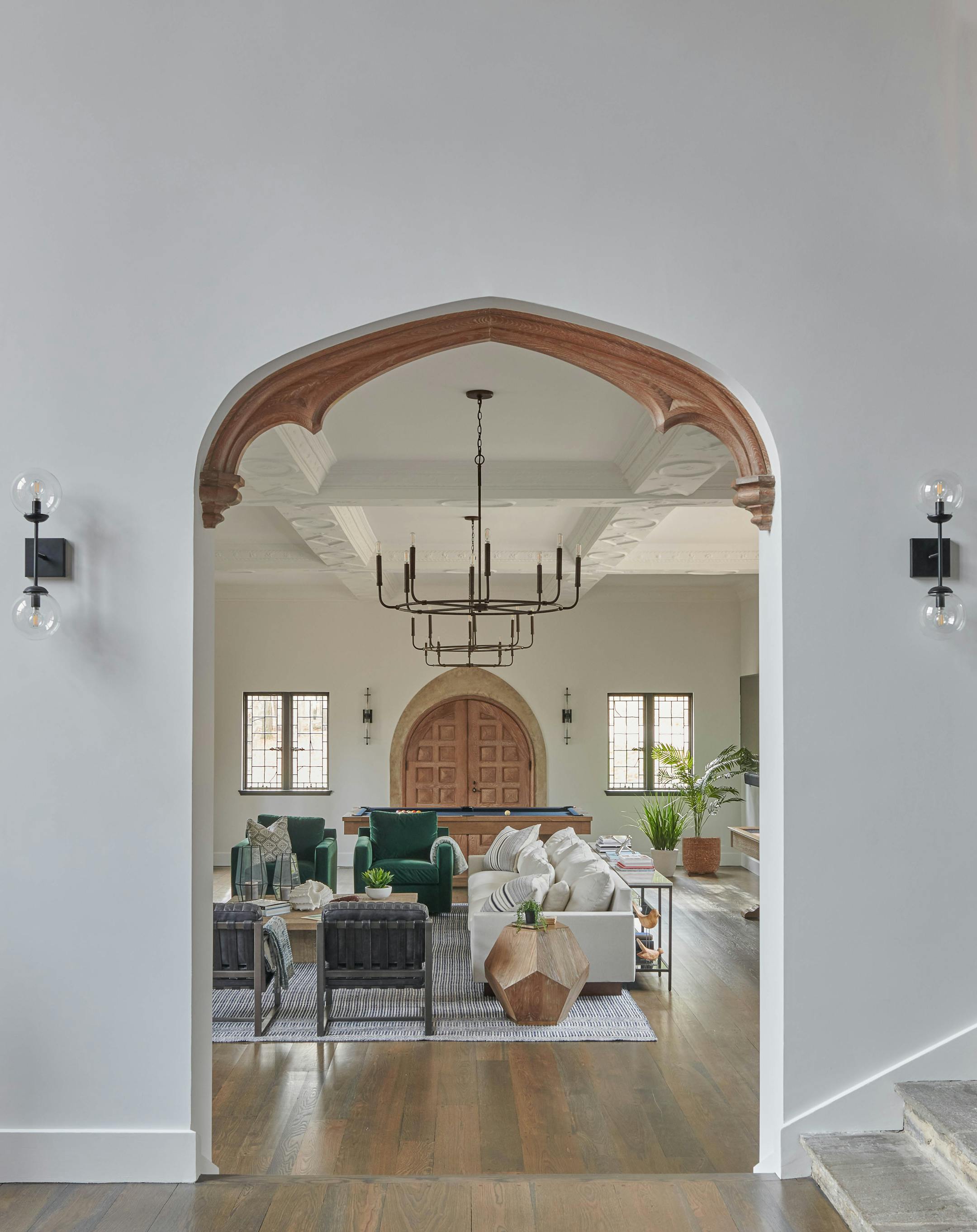
COVID lockdowns have sped up the pace of the shift in tastes, experts say. Brown paneling has been accused of worsening claustrophobia and feelings of light deprivation. New hues can provide fast, easy and satisfying reboots for all too familiar walls, and possibly increase properties' curb appeal, while requiring far less labor and noxious chemicals than the craze for stripping paint at old homes that emerged in the 1980s.
Lauren Drapala, a design historian and architectural conservator who teaches at Pratt Institute, said that "the tendency to tone down or lighten the interior" may represent a desire "to dampen the weightiness that is experienced in all other aspects of life right now."
Eve Ashcraft, a color expert in New York, said that these days, "I will paint woodwork so fast it'll make your head spin." Wood left natural, she added, can end up problematically "bossy and contrasty." British paint expert Annie Sloan said that when some homeowners successfully complete their first wall overhauls, the next question coming to mind is, "Can I find another thing to paint?"
Unexpected color choices are gaining traction, such as black window trim: "I can remember when that was considered so weird," Sloan said. Shabby chic surface treatments, with simulated patina and distress marks, are appearing on woodwork newly subsumed by pastel pigments, and blues and oranges in blazing sheens are being striped on wood side by side.


