

WASHINGTON – Even as deaths by opioid overdose rise in Minnesota and around the county, treatment advocates and public officials in the state are looking to Washington with concern that federal spending reductions under President Trump and the Republican Congress could damage efforts to stem the crisis.
The U.S. Senate's Republican-sponsored health care overhaul, publicly unveiled Thursday and up for a full Senate vote as early as next week, includes major rollbacks in Medicaid funding in the coming years. Medicaid is the nation's largest insurer for addiction treatment services; the GOP proposal would also lift an Affordable Care Act mandate that insurers cover substance abuse treatment as an essential benefit.
"This is health care: you get treatment, you bill your insurance for it and they pay for it," said Sue Abderholden, executive director of the Minnesota chapter of the National Alliance on Mental Illness. "When you have a set amount of money, what happens when that's gone?"
Abderholden along with allies from Minnesota and other states are traveling to Washington this week where they plan to lobby Congress on the health care bill.
Among Minnesota's congressional delegation and more widely among the country's elected officials, there's been bipartisan support for a heightened federal response to opioid abuse. Earlier this month, Republican U.S. Rep. Erik Paulsen participated in a hearing of Congress' Joint Economic Committee on the economic effects of the crisis. He said he'd recently spoken to a mother from Maple Grove whose son died after taking a fentanyl analogue that he bought online. She was devastated by how easy it had been to buy the drug, Paulsen said.
"There is a role for Congress to play to make sure that opioids are not so easily accessible," Paulsen said at the hearing.
But Democratic U.S. Sen. Amy Klobuchar said the GOP health care bill raises concerns of falling federal support for treatment. While the bill would set aside $2 billion to treat people with substance use or mental health disorders, Klobuchar said that wouldn't make up for the Medicaid reduction; in Minnesota, the program covers 32 percent of the cost of opioid addiction treatment. The issue "has become front and center in the debate on health care," Klobuchar said.
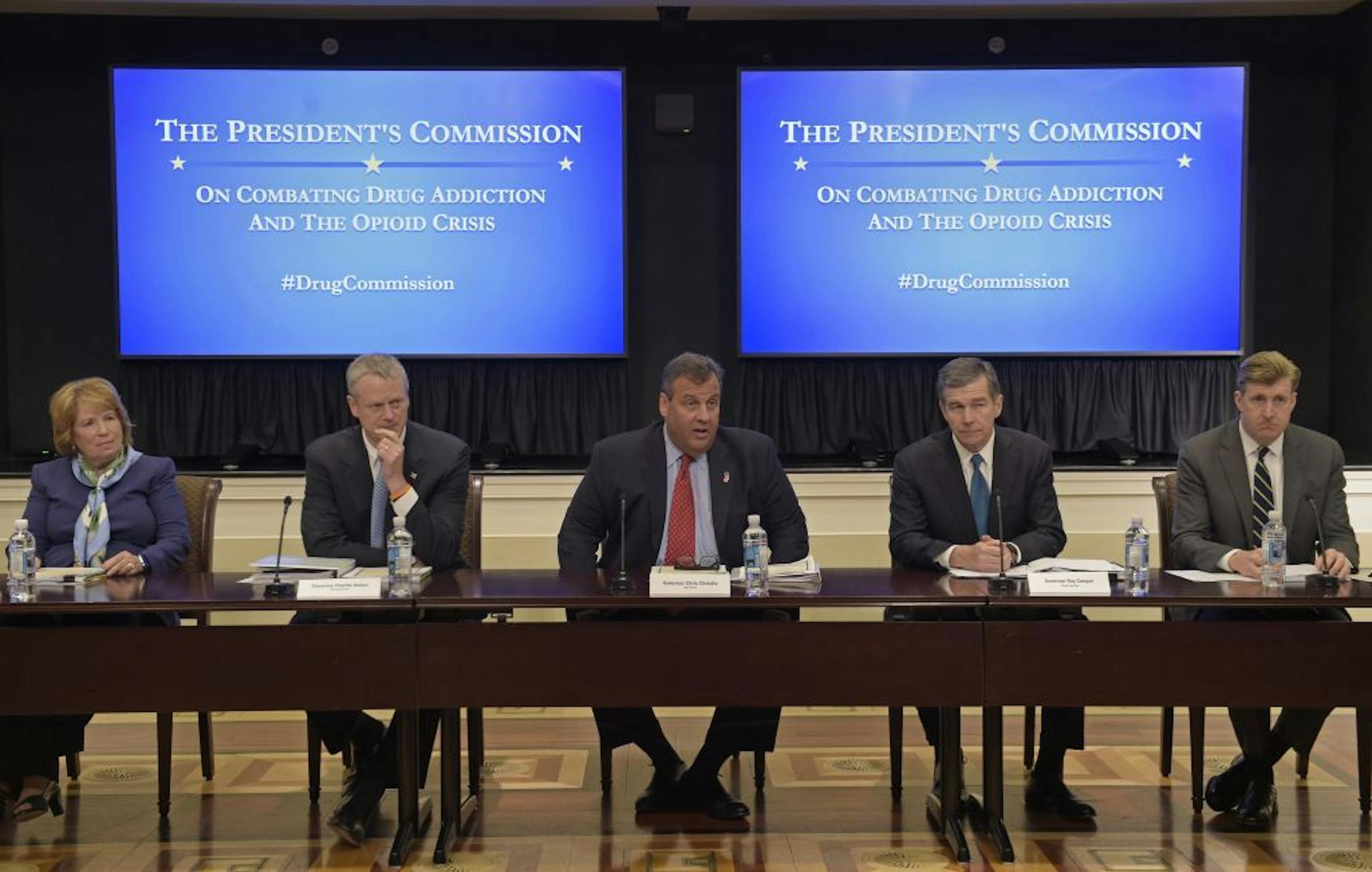
Trump campaigned on curbing the exploding opioid epidemic, which killed more Americans last year than car crashes. In Minnesota, 402 people died from opioid related deaths last year, up from 344 a year earlier. The president formed the Commission on Combating Drug Abuse and the Opioid Crisis to study the issue, vexing some drug addiction treatment advocates who said the problem had already been extensively researched.


