

Opinion editor’s note: Strib Voices publishes a mix of guest commentaries online and in print each day. To contribute, click here.
•••
“[W]e should be eternally vigilant against attempts to check the expression of opinions that we loathe … .”
— Justice Oliver Wendell Holmes Jr. (1919)
•••
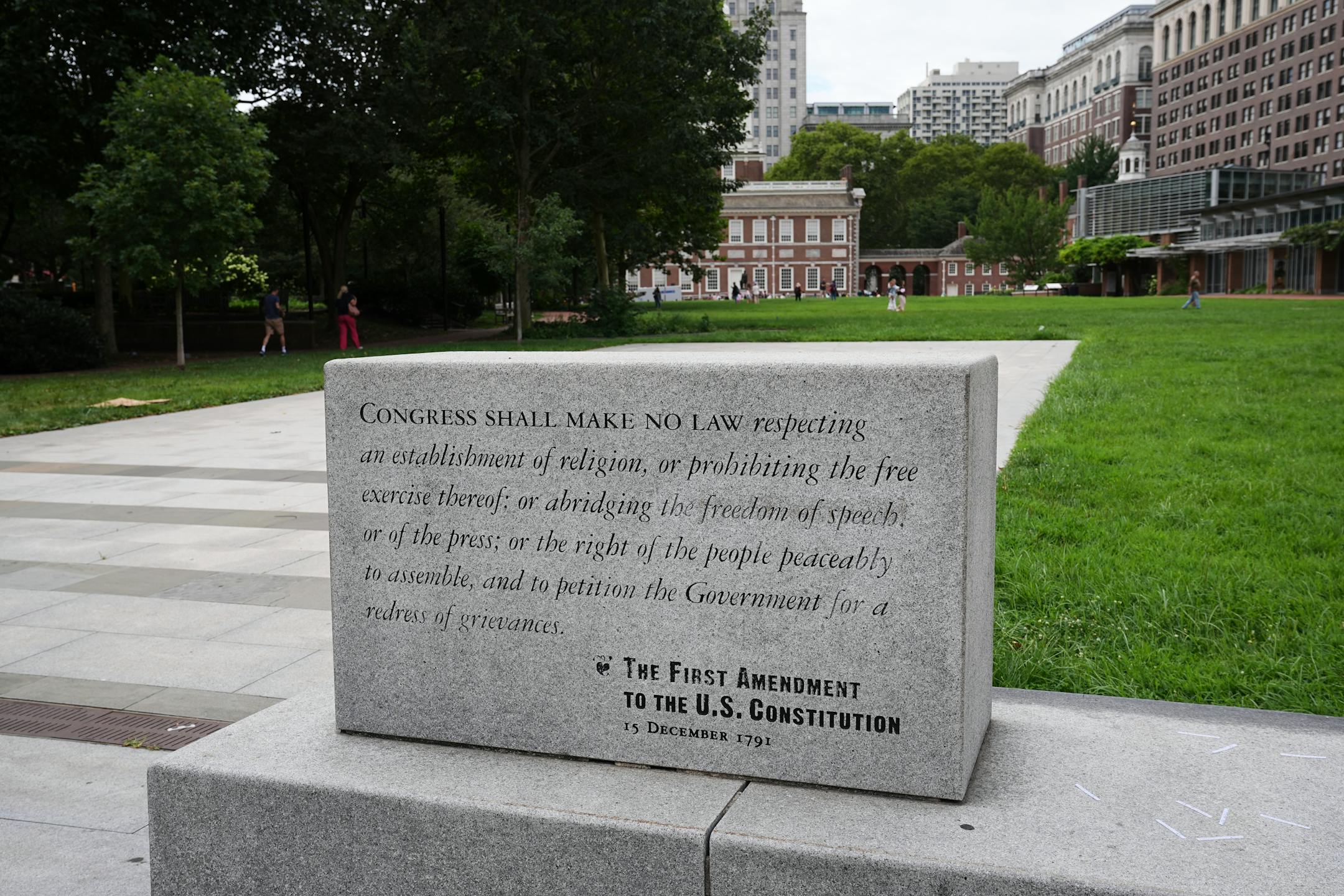
This observation of Justice Holmes from a century ago is counterintuitive, difficult to accept and essential to any understanding of the First Amendment. It is easy to reinforce your beliefs by hearing only from those who agree with you, whether by way of social media or like-minded news channels, or friends and family. The difficulty arises when you are exposed to other ideas — ideas that you find upsetting, offensive, perhaps even loathsome. Unfortunately for us all, many Americans, particularly younger Americans according to recent polls, believe that it is permissible to silence the offensive and disagreeable voice rather than add more speech. True debate between opposing viewpoints may become a lost art.
Confusion over the parameters of free speech under the First Amendment is rampant and pervasive. Unfortunately, much of the confusion exists at the top levels of our government — the executive branch and the Department of Justice (DOJ). From the issuance of a blatantly unconstitutional executive order in August directing the DOJ to prioritize the prosecution of flag-burners (if it can find any) to a nonsensical diatribe from our nation’s chief law enforcement officer claiming hate speech is not protected (it is) to a more recent executive directive to the attorney general to prosecute political opponents, all but erasing the historical independence of the DOJ to make decisions regarding criminal investigations, we are witnessing a marked escalation of government overreach.
Moreover, the recent weaponizing of the Federal Communications Commission to monitor acceptable speech on the networks even led U.S. Sen. Ted Cruz, not known for disagreeing with the current administration, to warn that it is “unbelievably dangerous for government to put itself in the position of saying we’re going to decide what speech we like and what we don’t, and we’re going to take you off the air if we don’t like what you’re saying.” It appears that an administration that professes to be in favor of free speech is now enforcing self-censorship and adherence to the party line.


