

Opinion editor’s note: Strib Voices publishes a mix of guest commentaries online and in print each day. To contribute, click here.
•••
What’s in a name? Operation PARRIS launched this month in brutal force in Minneapolis, but to fully understand its ramifications, it is important to understand the new acronym. PARRIS, created by the Department of Homeland Security and U.S. Citizenship and Immigration Services (USCIS), stands for “Post-Admission Refugee Reverification and Integrity Strengthening.”
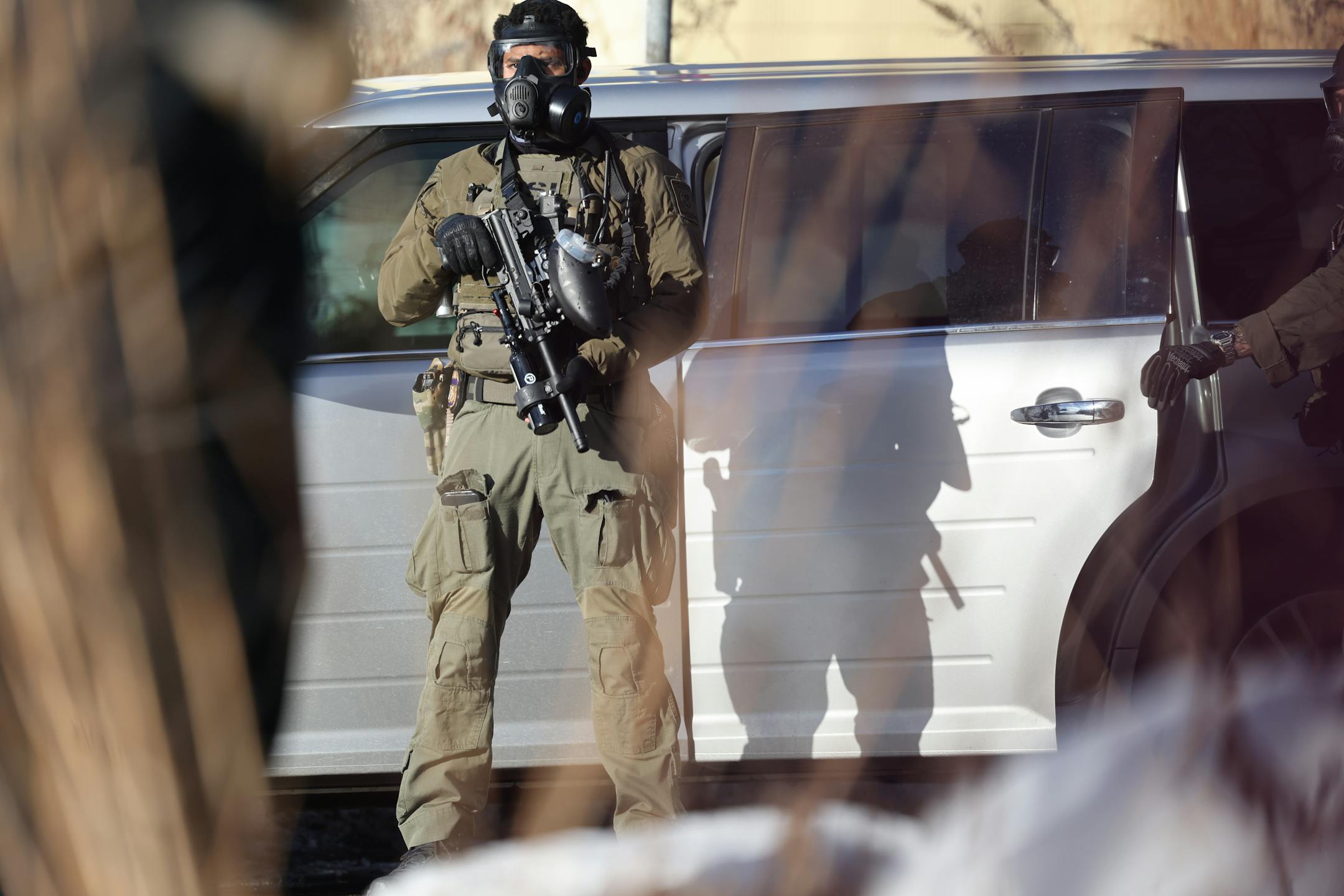
When I heard that refugees were going to be reinvestigated, I envisioned appointments in offices with clients and documents. I thought of lots of paperwork. I did not envision armed men in masks going to my clients’ homes in the middle of the night and taking people in their pajamas away in handcuffs. I did not imagine a paramilitary group roaming the streets at 7 a.m. and grabbing people from bus stops or out of cars as they went to their cleaning jobs. I did not think the people I picked up at Minneapolis-St. Paul International Airport when they arrived in America would be too scared to go grocery shopping.
Why not? Because refugees are legal in the United States. They are not “illegal aliens” who “snuck over the border.” They are different from asylum-seekers. They were invited to our country by our government. They even paid for their own airplane tickets through travel loans they are required to pay back. Refugees are a vetted group of people who already cleared extensive benchmarks and identified as individuals who would be killed if they returned to their home country. Many were certified as victims of torture. I know because I read their files before they arrived.
Yet isn’t it another form of torture to arrest first and ask questions later? Refugees are a vulnerable population who were promised protection in the United States. And Minnesota is considered one of our nation’s best places to resettle, thanks to a robust network of resettlement agencies, church groups and scores of volunteers who have warmly welcomed people, most notably after the Vietnam War.
But now refugees are not only arrested without due process but shipped out of the state to detention centers in Texas, often before their families know they were taken. Even the phrase “detention center” masks grim conditions that are a jail. Inmates have their identification documents taken away from them and not returned. They wear prison garb. Phone calls and food are limited.
Mad scrambles take place to ascertain if and where refugees have been taken. Some refugees arrested in the morning are already in Texas by 4 p.m. Rumors abound that three flights a day move people from Minnesota to Texas. Families send out desperate messages to friends, co-workers and case managers.


