

Opinion editor’s note: Strib Voices publishes a mix of guest commentaries online and in print each day. To contribute, click here.
•••
Minnesota’s economy is evolving faster than many families may realize. Here in the Twin Cities, our workforce already leans heavily on fields that require strong technical and analytical skills. Minnesota ranks 13th nationally for its share of the workforce in tech jobs.
Yet these sectors, critical to our state’s competitiveness, face a widening talent gap. Employers across Minnesota report persistent shortages in nearly every tech-related occupation, with unemployment in tech hovering around just 1.7%. And over the next five years, Minnesota expects 39,000 new tech job openings, many due to retirements and migration, not just growth.
This is the future our preschoolers will inherit.
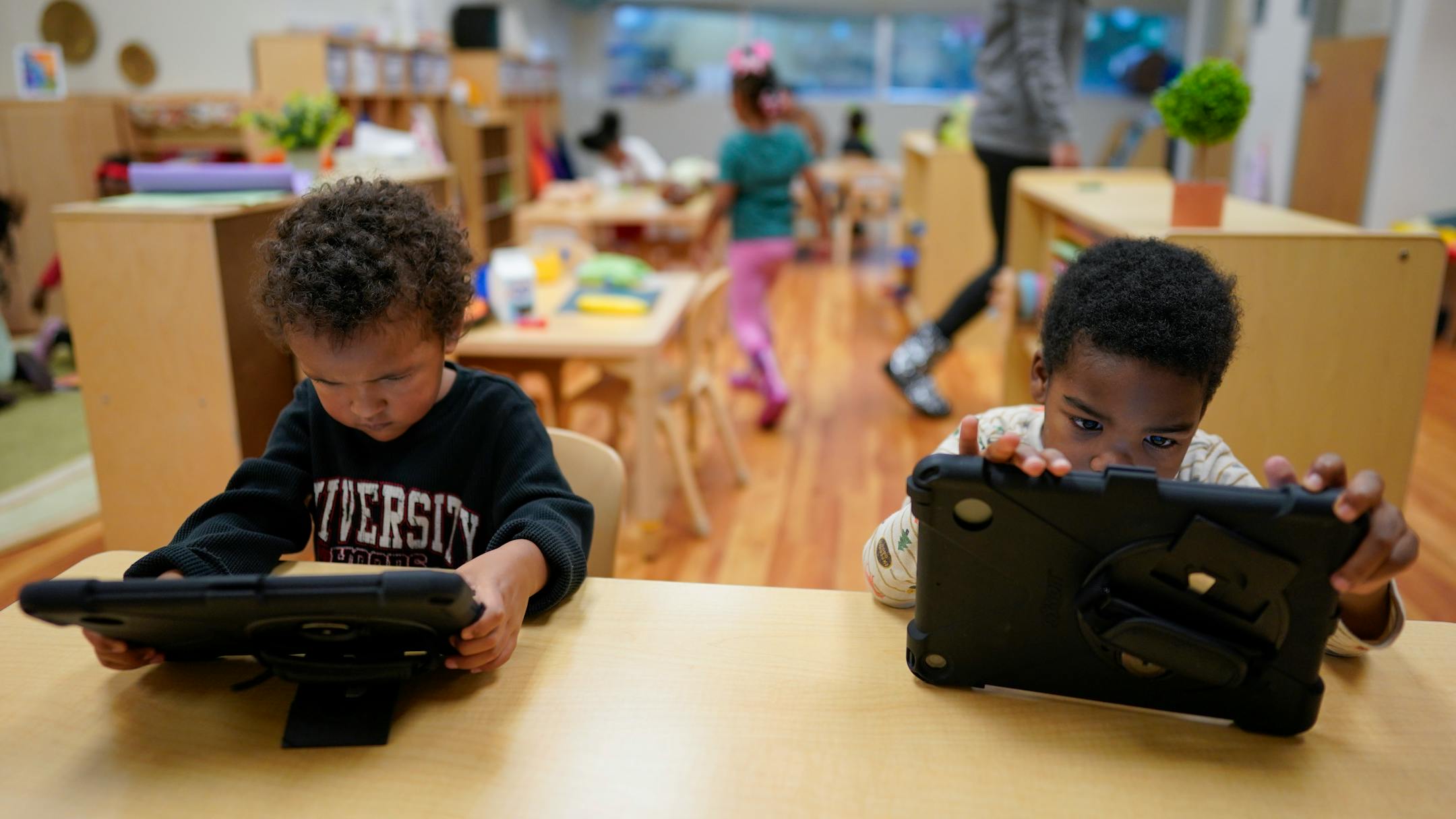
But the data also reveals possibility. A recent study found that taking just one high school computer science course increases a student’s earnings by at least 8% by age 24, with even larger gains among low-income students, Black students and young women. These findings mirror what we as early childhood educators see daily: When children engage with foundational science, technology, engineering and mathematics (STEM) concepts early, they carry that confidence forward.
And yet Minnesota ranks last in the nation in access to foundational computer science education. If we want our children to thrive in the industries reshaping our state, we must begin far earlier — long before they enter a middle school lab.
Preschool might not be the first place people think of when preparing students for STEM careers, but it should be.


