

Opinion editor’s note: Strib Voices publishes a mix of national and local commentaries online and in print each day. To contribute, click here.
•••
When Disney announced last week that it would end the suspension of Jimmy Kimmel’s show after several days of protest, subscription cancellations and boycotts, defenders of the First Amendment (on all points of the political spectrum) rejoiced.
That victory came with an asterisk, however, after Sinclair Broadcast Group and Nexstar Media Group initially doubled down on their decisions to preempt the show across the roughly 70 ABC affiliate stations they own between them — nearly a quarter of the network’s reach. Both companies agreed to begin airing the show again Friday, three days after the network itself had. (ABC is a subsidiary of the Walt Disney Co.)
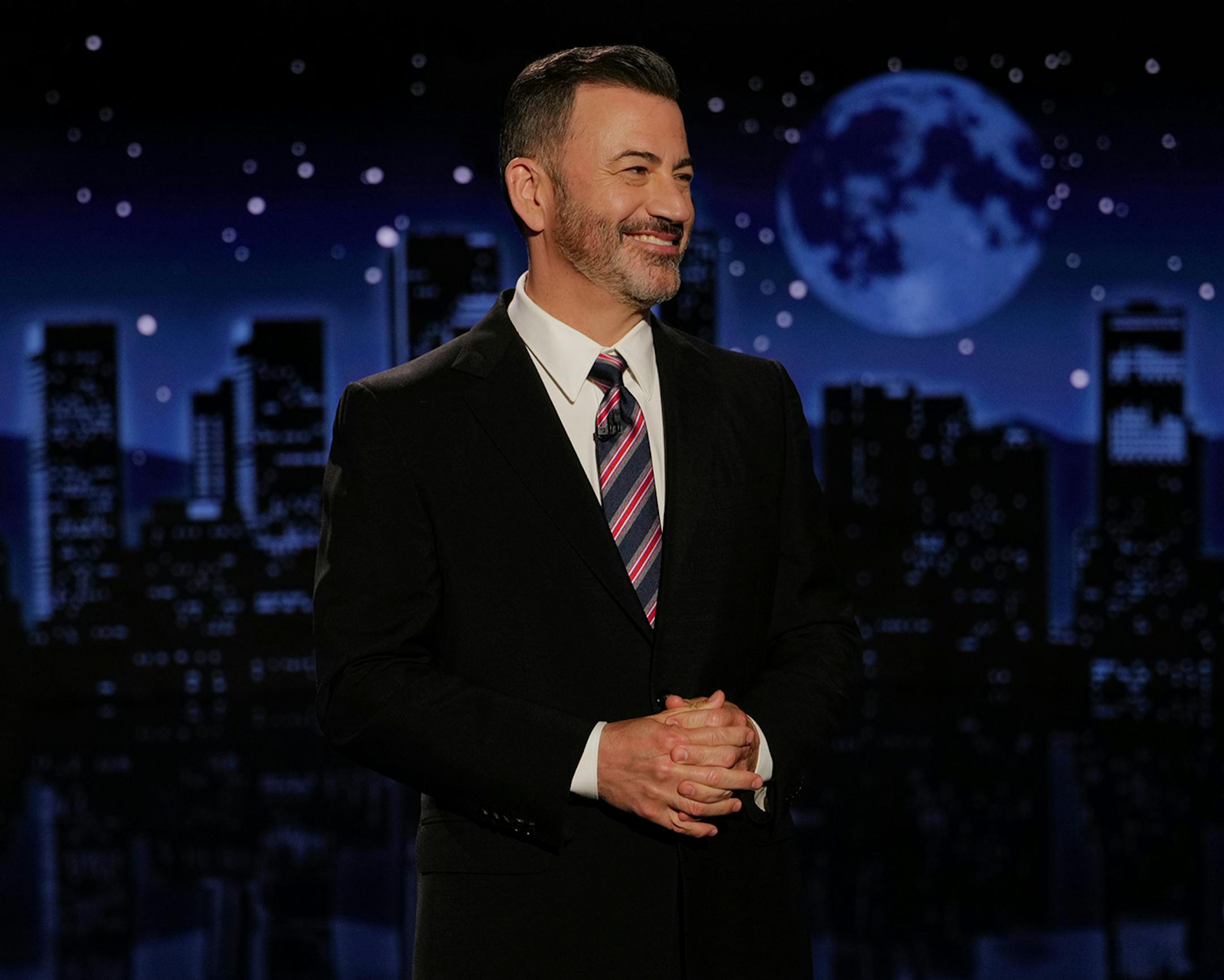
But just when it seemed like the power of media consolidation would trump the will of the public, audiences had the last laugh on YouTube. The record-breaking 21 million (and counting) views that Kimmel’s Tuesday monologue has drawn on the platform should rattle traditional broadcasters like Sinclair and Nexstar because it confirms YouTube’s power in redefining how Americans consume television.
In today’s media landscape, where viewers have unprecedented autonomy to watch whatever they want, Kimmel’s return was essentially an open-book test — one that Sinclair and Nexstar initially failed. The two companies should consider whether their stubbornness could contribute to their own obsolescence.
Both might be relieved that Kimmel’s Wednesday and Thursday monologues — currently under 8 million and 2 million views on YouTube, respectively — aren’t climbing as quickly as Tuesday’s. But that’s unsurprising; Tuesday’s show was nothing less than a historical event, and that urgency is difficult to recapture. It doesn’t negate the fact that the dynamics of television are not in Sinclair and Nexstar’s favor.
Viewership on streaming platforms has eclipsed broadcast and cable (and, in recent months, both of them combined). Late-night talk show clips have proven especially popular on YouTube, where they are frequently viewed and shared the next day and beyond by younger viewers.


