ARMSTRONG, ONTARIO – The canoe on my shoulders was feeling heavier as I hiked along an overgrown portage trail that grew fainter with each step — then disappeared.
What the heck?
I gingerly set the canoe down in the lush green forest, wiped sweat from my brow, and scanned the dense woods. No sign of a trail.
I backtracked my steps. Downed trees obliterated the portage. I hiked around the blowdown, found the trail, then went back for my canoe.
"The portage is over here," I said to my paddling partner, Kevin Panzer of Lakeville, who arrived carrying one of our gear packs.
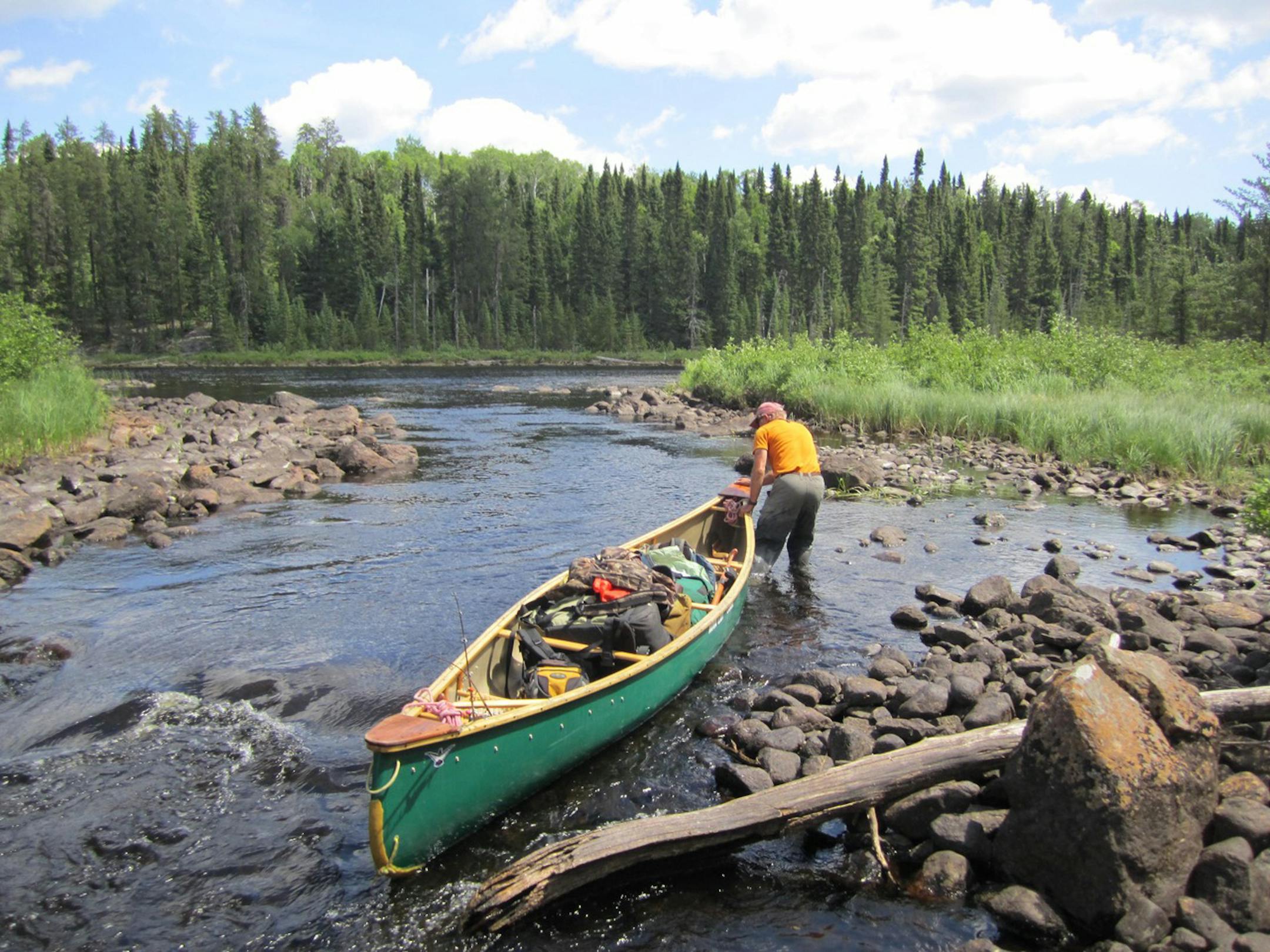
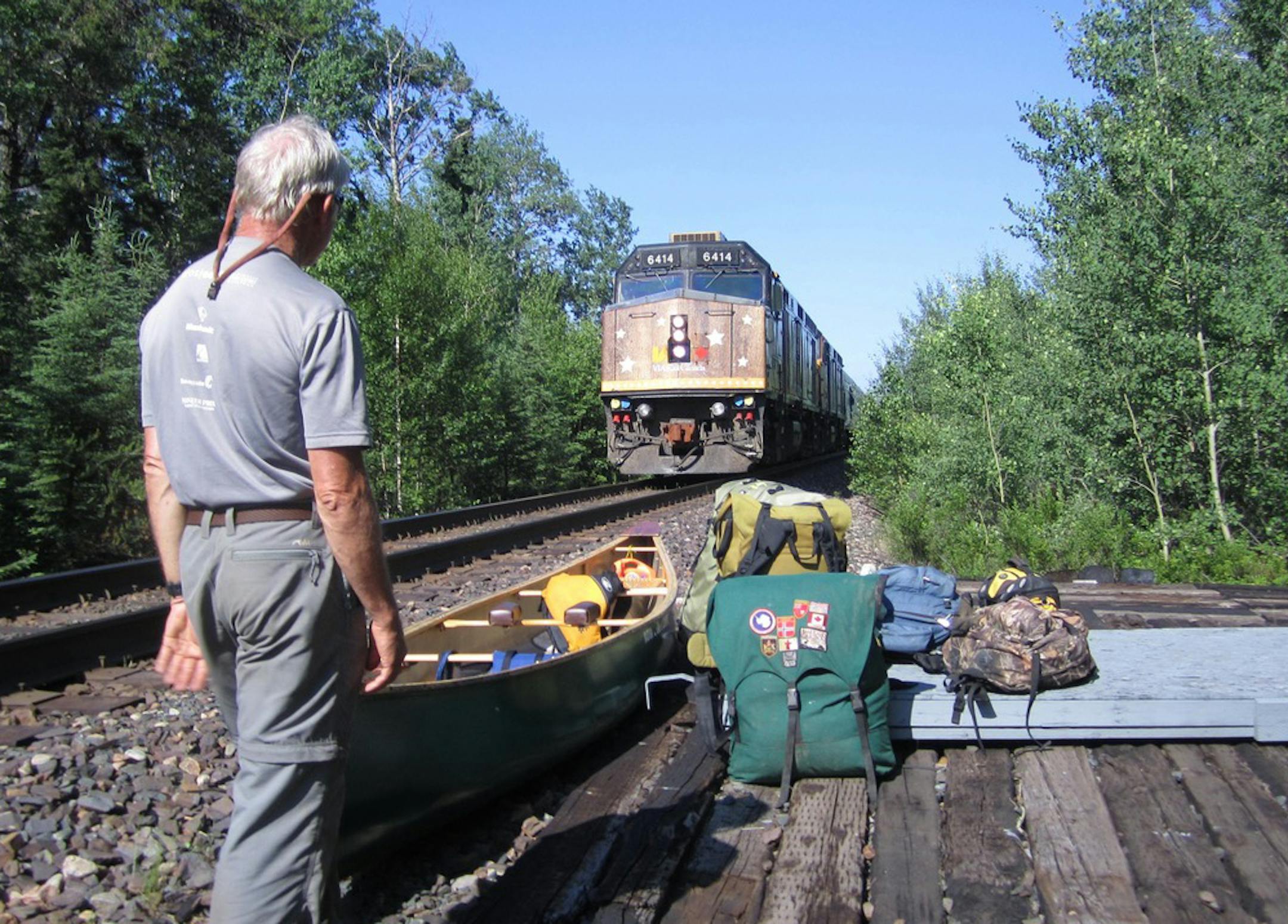
We were in the middle of an 11-day trek last June in Ontario's Wabakimi Provincial Park, a sprawling wilderness twice the size of Minnesota's Boundary Waters Canoe Area Wilderness about 160 miles north of Thunder Bay, Ontario — a 500-mile, 9 ½-hour drive from the Twin Cities.
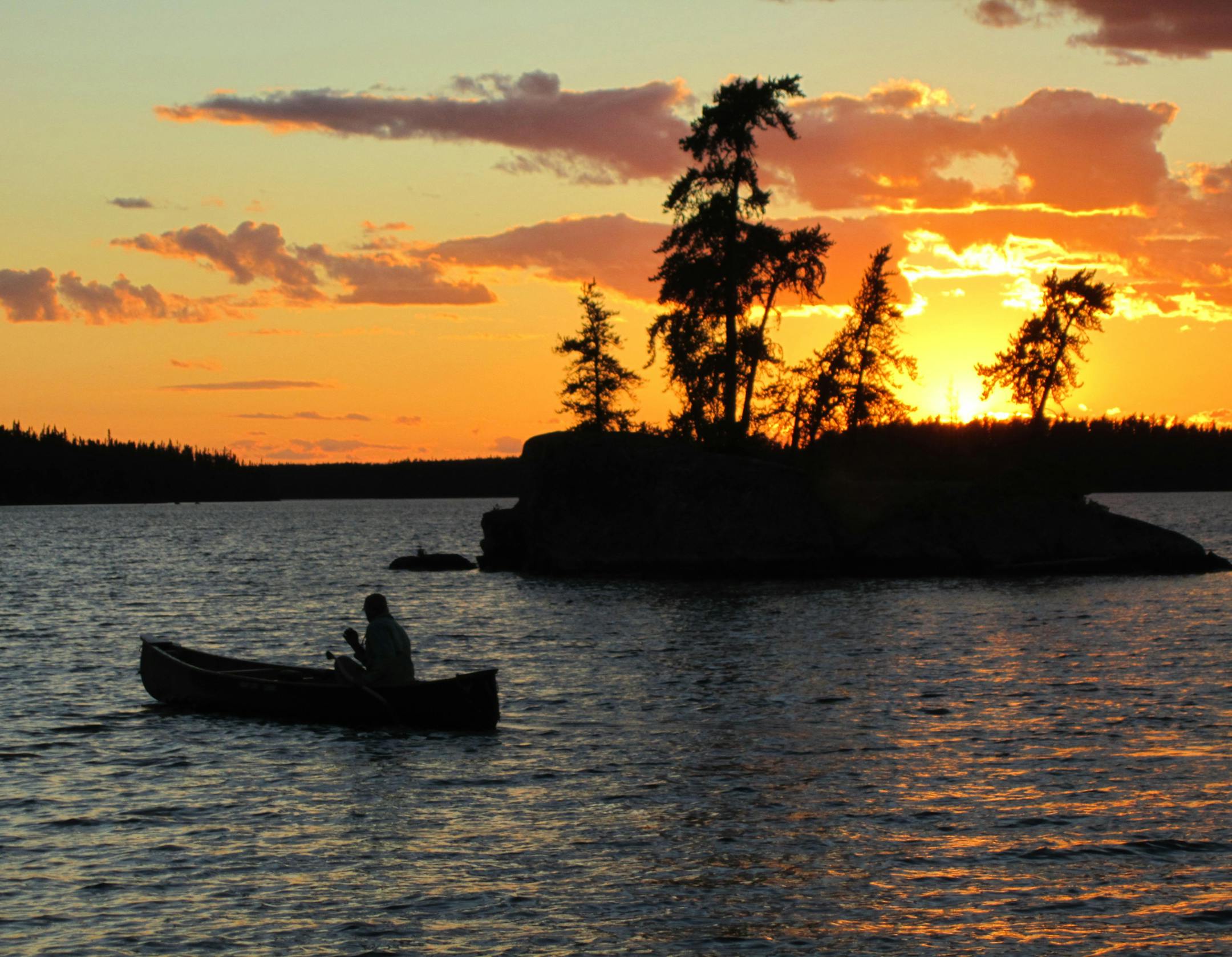
This is remote country, difficult to get to and lightly visited, allowing us to travel for days on pristine lakes and rivers without seeing another soul. We never shared a lake with other campers. And we sometimes worked to find portages.
"You can tell it hasn't been traveled much — the portages aren't as defined," said Panzer, 60, who was making his first trip to Wabakimi. "That just adds to the flavor of the place."