
Online, mug shots are forever. Some states want to change that.

Photos can harm an arrestee's prospects.

June 18, 2021 at 10:21PM
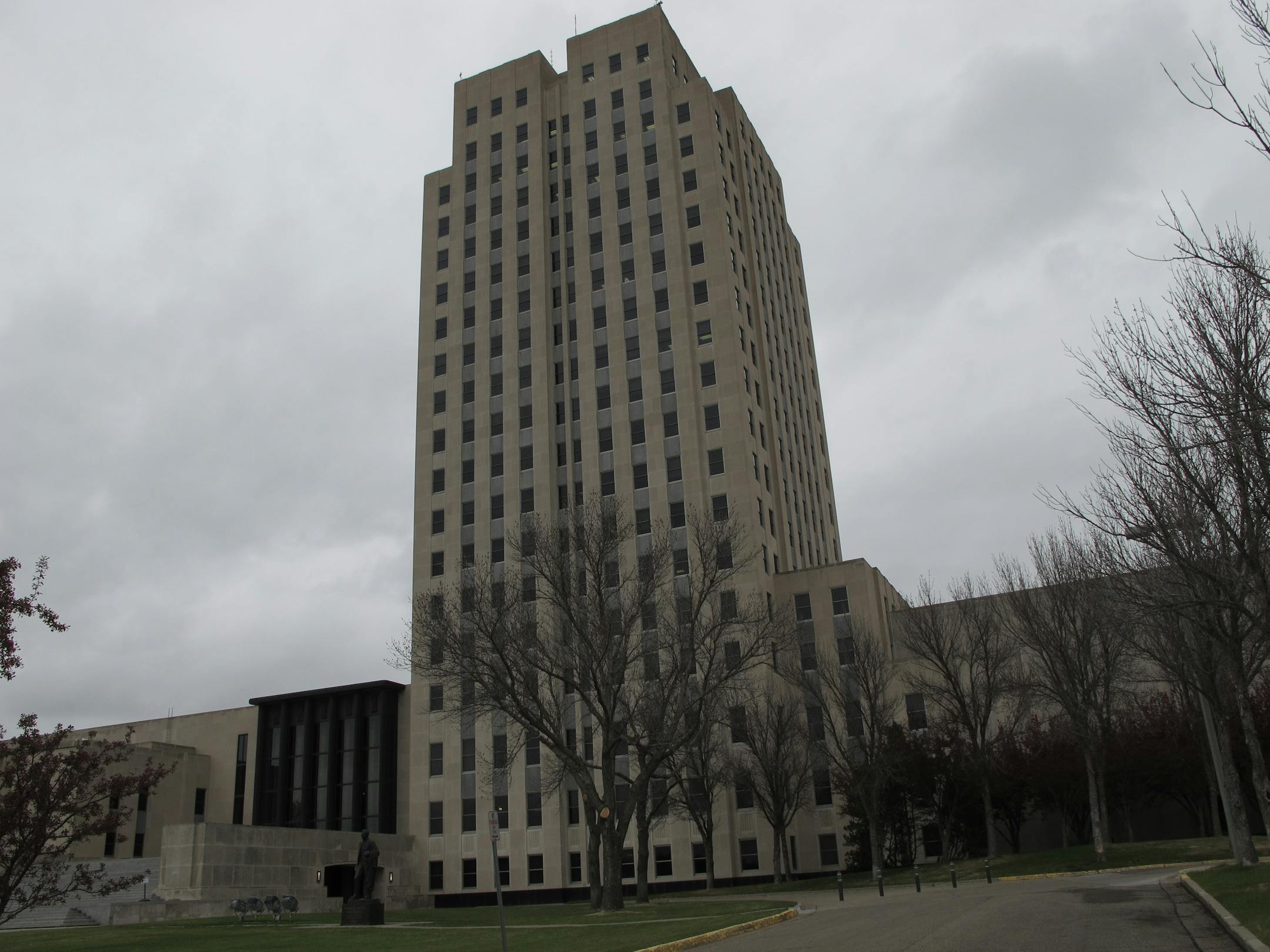
This photo, taken Thursday, April 19, 2012, shows the North Dakota Capitol, whose main tower is almost 250 feet high. The Republican majority leader of the Minnesota House on Thursday described the North Dakota Capitol building, which is located in Bismarck, N.D., as "embarrassing" and compared it to an insurance office. His remarks came during debate in the Minnesota Legislature in St. Paul, Minn., about whether to set aside money for repairs to the Minnesota Capitol. (AP Photo/Dale Wetzel)
The North Dakota State Capitol. A bill that proposed to stop police from releasing booking photos like his unless the arrestee failed to appear for court, was a fugitive or was convicted failed on a narrow, bipartisan vote. (ASSOCIATED PRESS - AP/The Minnesota Star Tribune)

After a weekend in the Burleigh County, N.D., detention center last summer, Dustin Gawrylow was relieved when the state's attorney decided not to press charges against him.

Gawrylow, 38, had been in a fistfight with his brother — a "brotherly scuffle," he called it — and was surprised to be arrested after going to the police to explain what happened.

But even though his charges didn't stick around, his booking photo did.

"In the meantime, my mug shot got out, and it circulated widely in political circles," said Gawrylow, who in 2012 started the North Dakota Watchdog Network, a libertarian-leaning group that advocates for lower taxes and less government spending.

He testified in January in support of a North Dakota bill that would stop police from releasing booking photos like his unless the arrestee failed to appear for court, was a fugitive or was convicted.

The measure failed on a narrow, bipartisan vote. But the Republican governors in Utah and Montana signed similar laws, and legislation has been proposed in at least three other states: California, New Hampshire and Oregon.

In recent years, legislators in many states have debated measures that would crack down on websites that post mug shots and then charge people hundreds or thousands of dollars to remove their photos. This year, some lawmakers want to go further by barring the release of the photos not just to those sites but also to the public generally, including to law enforcement social media accounts and news outlets.

Supporters say the legislation, all of which has bipartisan support, fits with the broader movement to curb police abuses. Some say mug shots exacerbate racial stereotypes.

People are innocent until proven guilty, but the public release of mug shots taken at the time of arrest can become a barrier to housing, employment and personal relationships, regardless of whether the person ends up being convicted.

"It's just a snapshot of potentially the person's worst day of their life without any context as to the outcome of the arrest," said North Dakota state Rep. Shannon Roers Jones, a Republican who sponsored that state's bill.

But in North Dakota and elsewhere, members of the media and law enforcement have come out strongly against the legislation. The media angle is personal to North Dakota Republican state Rep. Austen Schauer, who worked in broadcast news for 36 years and voted against the bill.

"It's public information; why would we cover up public information?"

In Oregon, state Rep. Janelle Bynum, a Democrat, has introduced a bill that would stop law enforcement from releasing booking photos to the public before a conviction. The bill has an exception for "law enforcement purposes," such as seeking the public's help in finding a fugitive or a known suspect.

In North Dakota, Roers Jones said she hopes to introduce the booking photo legislation for the next session. She has the support of Adam Martin, who started the F5 Project, a Fargo-based organization that supports formerly incarcerated individuals and people in addiction recovery.

Martin, who has been convicted of several misdemeanors and five felonies, has experienced what he calls the "collateral damage" of mug shots.

In his work, Martin helps people struggling to find housing or a job. No matter how many years have passed or how much they've changed, he said, their mug shots are an internet search away. "I have yet to meet anyone who, when they look at a mug shot, presumes innocence."

about the writer

about the writer

Lindsey Van Ness

More from No Section

See More
FILE -- A rent deposit slot at an apartment complex in Tucker, Ga., on July 21, 2020. As an eviction crisis has seemed increasingly likely this summer, everyone in the housing market has made the same plea to Washington: Send money — lots of it — that would keep renters in their homes and landlords afloat. (Melissa Golden/The New York Times) ORG XMIT: XNYT58
Melissa Golden/The New York Times

It’s too soon to tell how much the immigration crackdown is to blame.