

Being an early adopter of technology and a writer on the subject can be a lot of fun. You get access to a lot of new gadgets and services before they go mainstream. You get to be on the front lines of exciting changes and trends.
But for every profound glimpse of the digital future you may get, factor in twice as many moments of frustration, anger and helplessness. If you think you're annoyed by, say, your buggy smartphone or a tablet device that won't work the way you want it to, imagine using it six months or a year ago, before a lot of the worst software bugs were fixed.
Early tech adopting often means that you find problems long before tech support has figured out what to do about them and before anyone's had a chance to vent about it online and help you to feel less alone. It also makes you even more aware of ongoing tech problems that don't appear to be getting fixed, no matter how long they persist.
I'd like to share a few tech problems that make me feel like I'm somehow being pranked by companies who should have better fixes for common aggravations.
Why is broadband still so expensive? I became a broadband Internet customer in the late '90s and despite there being more ways to get high-speed access today (from wireless providers, for instance), I'm paying about $15 more a month than I did back when flannel shirts were all the rage for the same tier of service. Surfing speeds have gotten faster over time, but not enough to justify the continued high cost. Shouldn't technology like this get more efficient and cheaper over time?
Rather than getting faster and less expensive like computers, Internet service is priced like gasoline: as if it's a scarce, limited resource. Internet providers will tell you that keeping up the infrastructure to deal with our increasing demands for bandwidth is expensive to build out and that we should bundle more services (like TV channels and digital phones) to save money. That doesn't make me feel much better about my monthly bill.
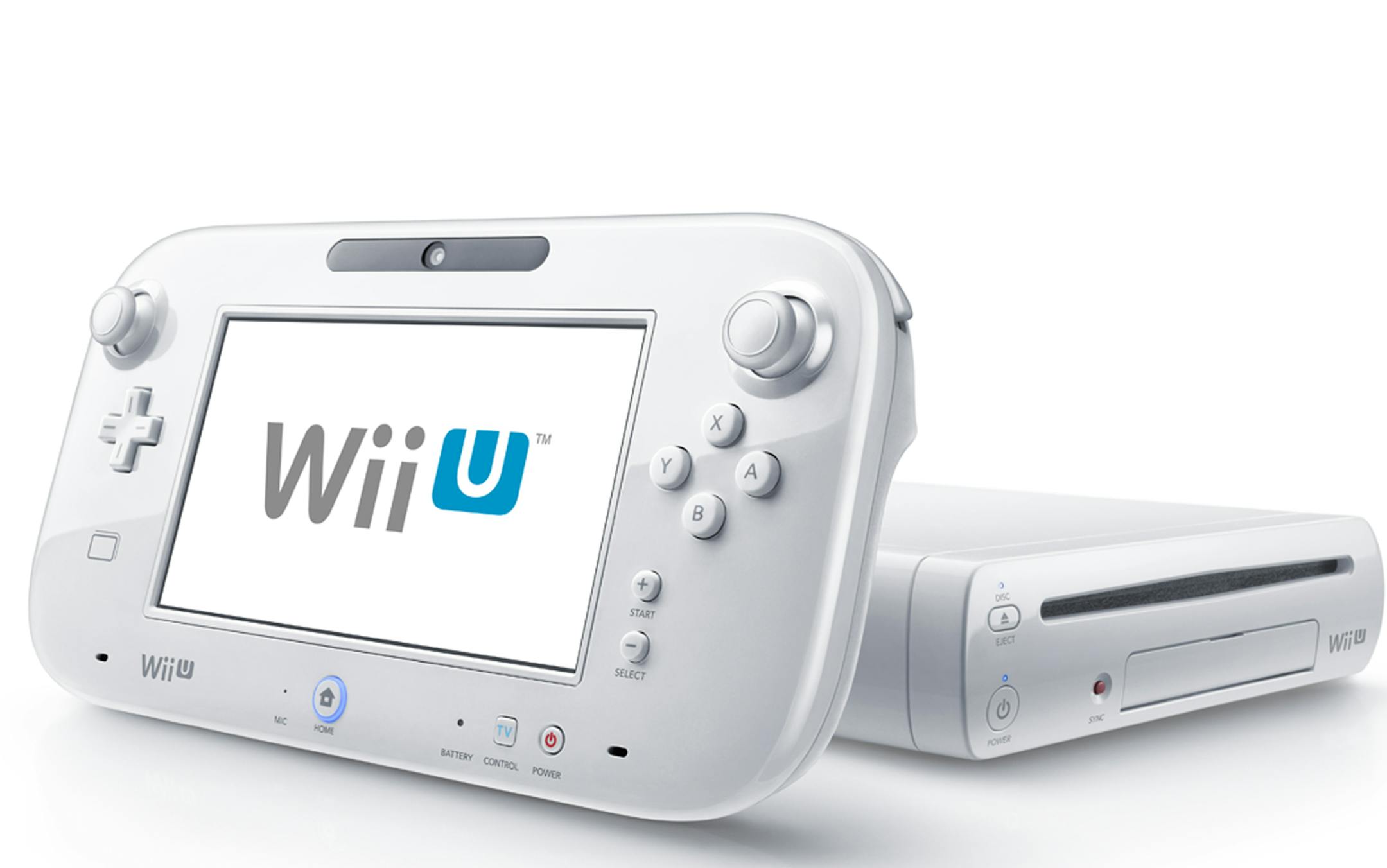
The Wii U is strangely slow. The latest high-profile video game console, launched in November, is meant to put the aging Xbox 360 and PlayStation 3 systems to shame. The Nintendo game console includes an innovative controller that doubles as a small tablet. It's the first from Nintendo to output high-definition graphics. It's expensive by today's standards, starting at $300. So why are its basic menus, the ones that allow you to change Internet settings or shop for downloadable games, so incredibly slow and clunky?
This is a brand-new piece of sexy hardware that in some ways runs slower than your oldest home appliance. Nintendo promises that an upcoming software fix will shave down some of the waiting, trimming delays to get to some menus from about 20 seconds to 8 seconds. But ask yourself this: When you exit an app on your smartphone, are you willing to wait 8 seconds to get back to the home screen?


