

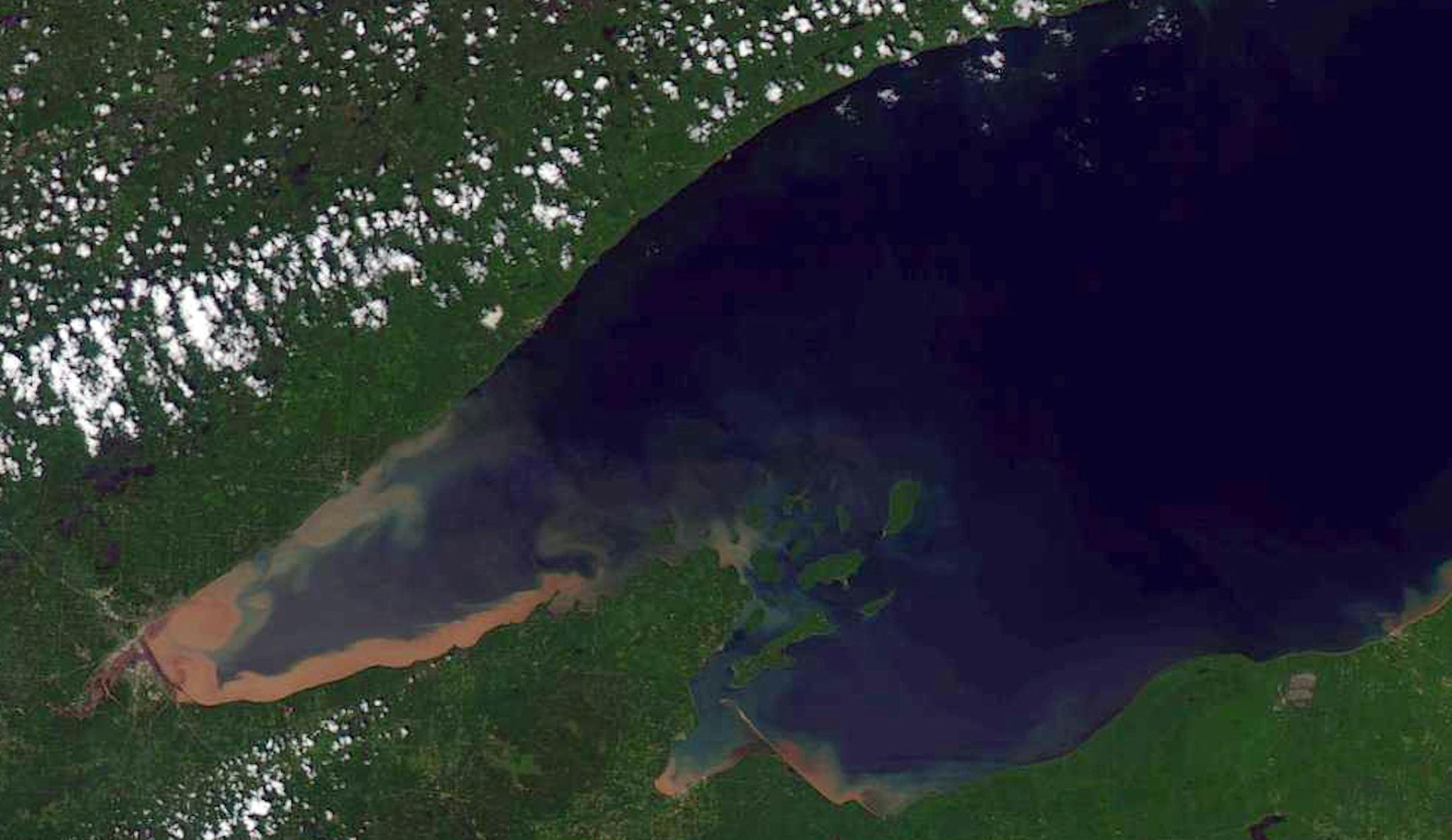
A year ago an unprecedented storm dumped up to 10 inches of rain on the Duluth area, literally rearranging North Shore streams and spewing tons of sediment — visible even from satellite — into Lake Superior and the St. Louis River estuary.
At the time, some feared the worst flood in a century would harm fisheries in the lake, streams and the St. Louis River, which dumps into the lake near Duluth.
Yet, the effects, so far, appear minimal. Instead, researchers marvel at the resiliency of the system and say it appears fish mostly weathered the floodwaters, the infusion of sediment and even the rearranging of stream beds.
"I'd say the Lake Superior fishery was little affected,'' said Don Schreiner, Department of Natural Resources area fisheries supervisor for Lake Superior. "Fishing this spring has been gangbusters. Lots of lake trout and coho and chinook salmon are being caught.''
The famed North Shore's trout streams also survived, although they have been permanently changed.
"They were rearranged in a big way,'' Schreiner said. "We did see mortality to young-of-the-year fish last year, especially steelhead.'' But he doesn't expect long-term impacts.
"In a nutshell, fish populations fared better than what most people were expecting,'' Schreiner said.
Schreiner said he also doesn't believe the sediment deposited by the storm has impacted lake trout spawning areas along the shore.


