
One way to boost recycling: Uniformity

Codes vary -- making it tough for large waste producers like Starbucks.

April 6, 2011 at 3:03PM
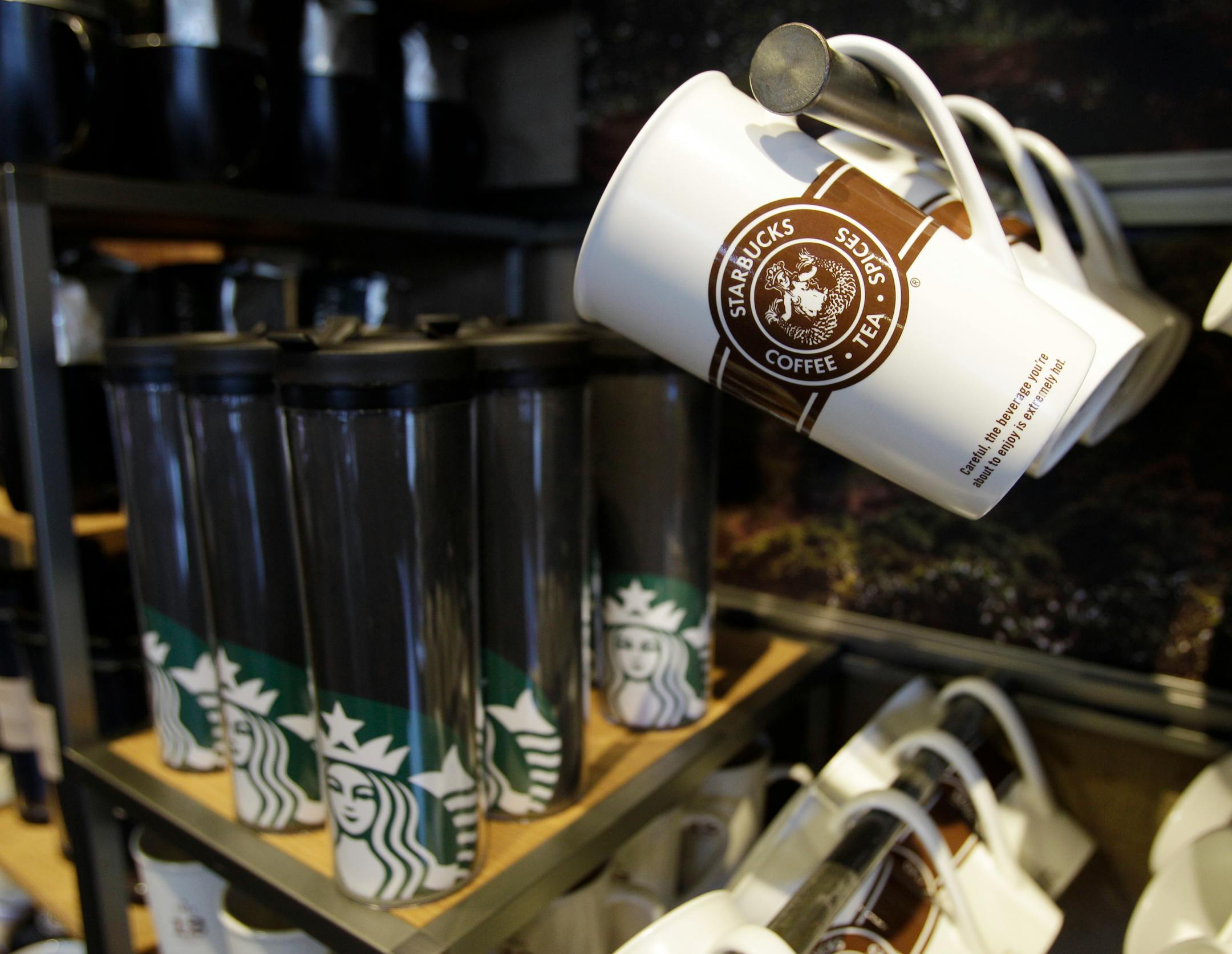
A mug with the original Starbucks Corp. logo is shown at upper right, Tuesday, March 8, 2011, next to a rack of insulated cups bearing the company's new logo, at a Starbucks store in downtown Seattle, on the day marking the 40th anniversary of the company. The new logo drops the word "Starbucks," but still features the coffee company's signature "Siren" figure.
A mug with the original Starbucks Corp. logo is shown at upper right, Tuesday, March 8, 2011, next to a rack of insulated cups bearing the company's new logo, at a Starbucks store in downtown Seattle, on the day marking the 40th anniversary of the company. The new logo drops the word "Starbucks," but still features the coffee company's signature "Siren" figure. (Susan Hogan — ASSOCIATED PRESS/The Minnesota Star Tribune)

Commentary

Did you hear the one about the latte company that couldn't recycle its one-gallon milk cartons?

It's true. In the spirit of full disclosure, I am an avid Starbucks customer.

I came upon this information unwittingly, by asking a barista one day why she put used milk cartons into large plastic garbage bags. I was incredulous at the answer.

It led me to track down information (based on the most conservative numbers I could find), through Starbucks' annual reports, its public-relations executives and employees.

The numbers speak for themselves: The smallest Starbucks sites use 210 white, one-gallon milk cartons per week, or 10,920 per year, on average.

With more than 17,000 cafes worldwide, we are talking about more than 185 million cartons per year. Adding to the landfill problem is the fact that the cartons are collected in large plastic garbage bags.

Next statistic. The most conservative numbers I could find regarding landfill decomposition are these: It takes 500 years for a plastic garbage bag to decompose; it takes 1,000 years for a milk jug to decompose.

As Starbucks celebrates its 40th anniversary this year, the first cartons it sent to landfills in garbage bags have barely begun to decompose.

If this sounds overwhelming, it is. The issue, obviously, is bigger than Starbucks.

The issue is about the inconsistencies in cities' recycling codes that tie the hands of large companies.

In Minnesota, a few Starbucks are able to recycle milk cartons (a cafe in Plymouth does, a cafe within the Plymouth Target store does not). Starbucks is unable to recycle milk cartons in my urban city.

In Seattle, stores in malls are unable to recycle milk cartons, but many standalone stores can. You get the murky picture.

Starbucks is only too aware of the complexities presented here.

"Finding a sustainable recycling solution is a top priority for Starbucks," a company spokesperson wrote in a statement. "Inconsistencies make it difficult for a company like ours to effectively implement a company-wide recycling program for items such as milk cartons."

That is a true statement from a stellar company that has won awards in many areas (from Fair Trade coffee practices to composting to paper cup summits).

Why begin with Starbucks? There are many other corporations I researched that face similar gridlock.

Yet, Starbucks is poised to move on this. In its most recent annual report, Howard Schultz, chairman, president and CEO, writes, "Customers and employees have expressed they want to be a part of something bigger."

And in several annual reports, he repeats the theme: coffee, customers, community.

Starbucks has more than 160,000 employees (predominantly in the United States) and millions of customers. This is an enormous grass-roots base.

Moreover, Starbucks has huge partners in Macy's, Target and other national powerhouses with in-store Starbucks sites. Jump-started by informed citizens, Starbucks can be empowered to hold game-changing discussions at the highest levels.

Curbside recycling began with skepticism. Now, it's a staple in our communities.

If Starbucks takes the lead in improving uniformity between municipal codes that impede recycling, all large corporations will benefit.

Still skeptical? Last year, the Seattle City Council passed an ordinance requiring all food service industry utensils and packaging to be compostable/recyclable.

Clear and simple. Done.

It's another example of the power of one person and one idea. Starbucks complied before the deadline, paving the way for smaller companies.

Landfill issues loom large, yet milk cartons are low-hanging fruit. If articles like these make you feel immobilized, there is a remedy: Take action.

Just for now, just for today, clip this article and pin it on the community bulletin board at your Starbucks, mail it to your elected representatives or share it with friends.

Tune in around Earth Day next year to see if Starbucks, and you and I, have made environmental changes and increased progress toward sustainability.

Thanx.

Sincerely,

Dayna Kennedy is a stay-at-home mom in St. Paul. She previously was a public-information employee for light rail for Metro Transit and for the St. Paul public schools. She can be reached at dayna.melissa@q.com.

about the writer

about the writer

DAYNA KENNEDY

More from Commentaries

See More
card image
Evgeniy Maloletka/The Associated Press

Yes, it has resources and strategic value. But it isn’t simply up for grabs.

card image
card image