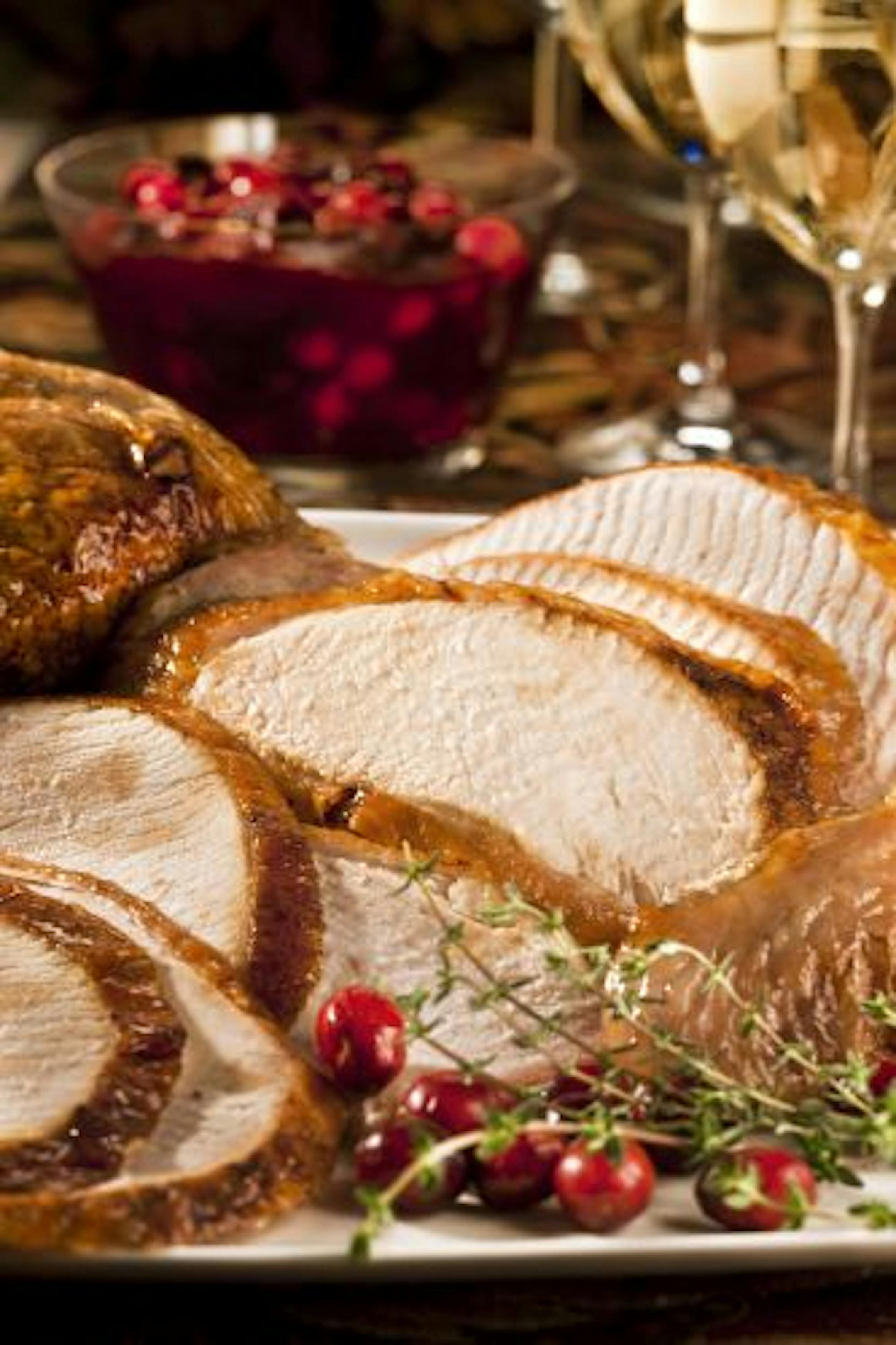
Thanksgiving turkey, that bronze hero of the holiday table, is often favored for its good looks while the side dishes provide flavor.
Not all are birds of the same feather, however. Heritage? Free-range? Organic? Conventional? Frozen or fresh?
Depending on which you choose, the cooking method varies a bit.
Conventional birds: These are often "pre-basted" or "self-basting," which means that the turkey has been injected with a solution that may contain stock, water, seasonings, salt and other flavors, sometimes accounting for as much as 3 percent of the bird's net weight. If you're watching your sodium intake, be aware of this. Some diners find the meat too soft.
Free-range and organic: Generally, these have larger thighs and smaller breasts than the conventional turkeys. They are slightly leaner and so cook a bit faster and their flavor is more distinctly "turkeyish." Use a little extra fat (butter or olive oil) before roasting and baste them every 20 minutes or so.
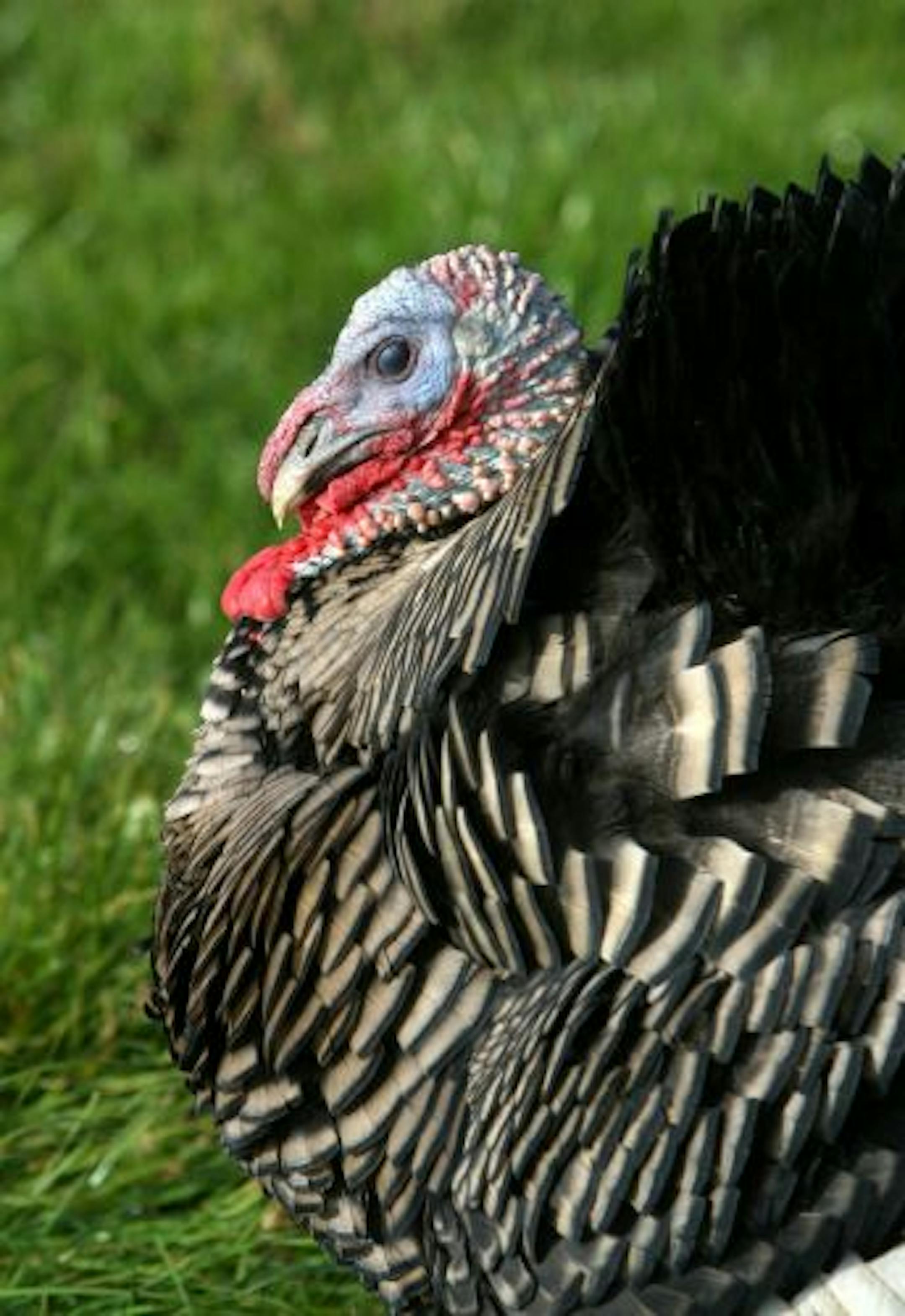
Heritage breeds: Smaller, leaner, with more dark meat and less breast meat, these are closest to wild turkeys with complex, dark flavor and firm texture. Slather them with butter or oil and baste frequently. Bourbon Red, Spanish Black and Royal Palm are among the breeds raised by local farmers. The key is to use plenty of butter and cook them breast side down so that the juices flow into the breast to help keep it moist. These generally cost more per pound.
Here are a few tips, culled from turkey farmers who know their birds:
• When purchasing a whole turkey, estimate about 1 pound of turkey per serving (that takes into account shrinkage, bones, etc.).