

Today marks the start of Sunshine Week, the annual exercise in chasing away the shadows of government secrecy. It's observed by citizens examining public records, showing up at public meetings and calling out bureaucrats who thwart the public's right to know what they're up to.
This column often features examples of the latter. Yet it's also important to recognize those in government who take the initiative to open their data to the public, knowing that we the people can actually help them do their jobs better.
Last year, commissioners in six metro counties did something remarkable. They made their land records free and available online, after years of selling that data.
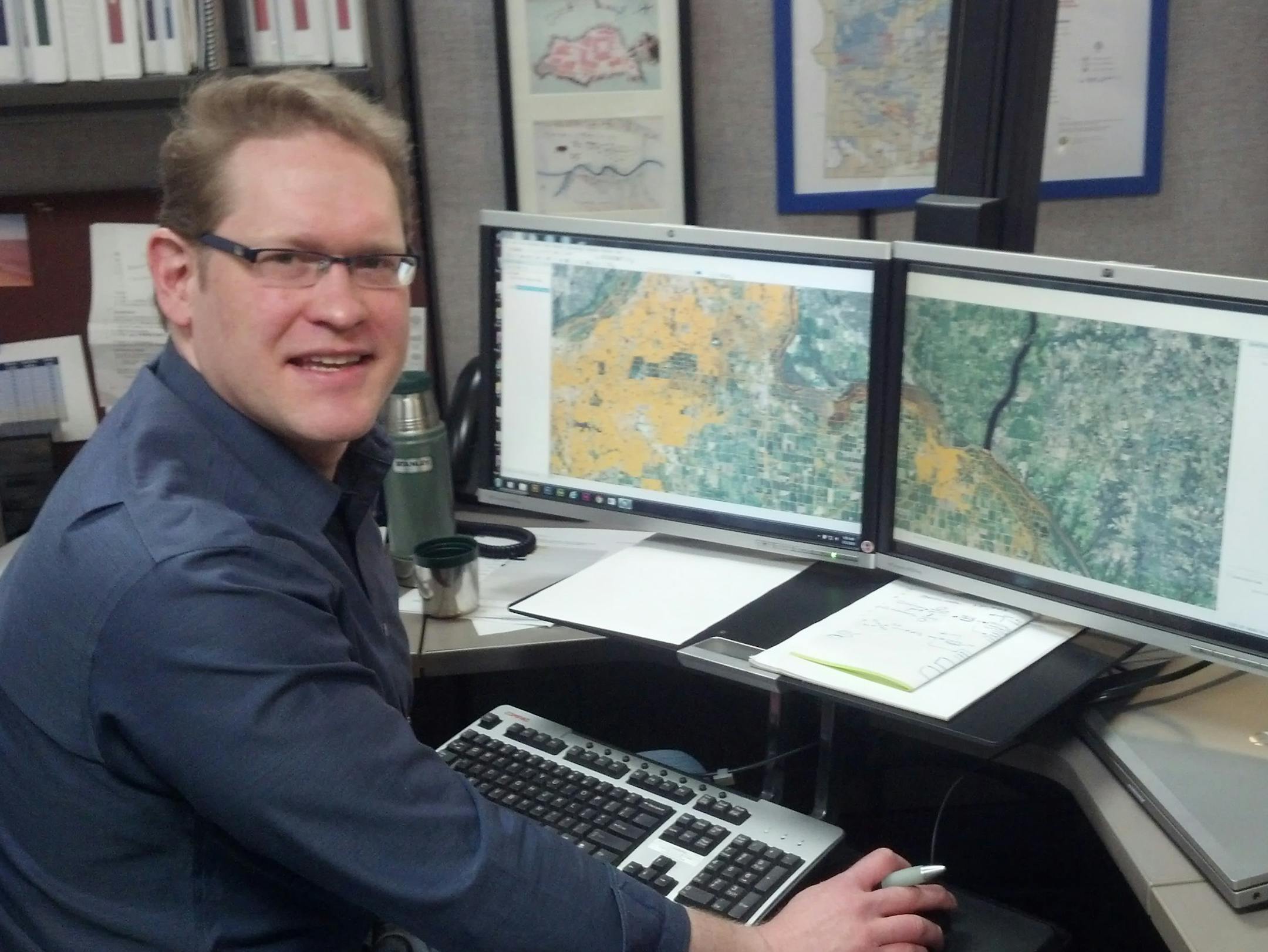
After the twin votes of Hennepin and Ramsey commissioners in February 2014, Geoffrey Maas, the Metro GIS coordinator for the Metropolitan Council, popped the cork on a bottle of champagne. Maas had worked for months to persuade metro counties to share their data for the benefit of his own agency, as well as everybody else.
"Free and open data enables creative thinking, innovative thinking," Maas said. "GIS [geographic information systems] is no longer a priesthood of technologists. … It really facilitates transparency in government, and it's an engine of entrepreneurship."
Indeed, the data enables "hackathons" such as the Hennepin County GeoCode event last month, which produced all kinds of nifty ideas: Figuring out which vacant lots would serve best for urban farming and examining property values over time were just two of them.
Trained as an urban planner, Maas spent five years at the Minnesota Center for Environmental Advocacy before arriving at the Met Council three years ago. To do regional planning, the Met Council obtains property data from each of the seven metro counties.
Maas realized that the practice of charging fees for the data, implemented two decades ago to recover the cost of GIS systems, was actually hampering good government. It was becoming a money-loser for counties, which had to provide tech and sales support. More significantly, the strict control of the data made it off-limits to the growing force of volunteer app developers.


