Dennis Anderson
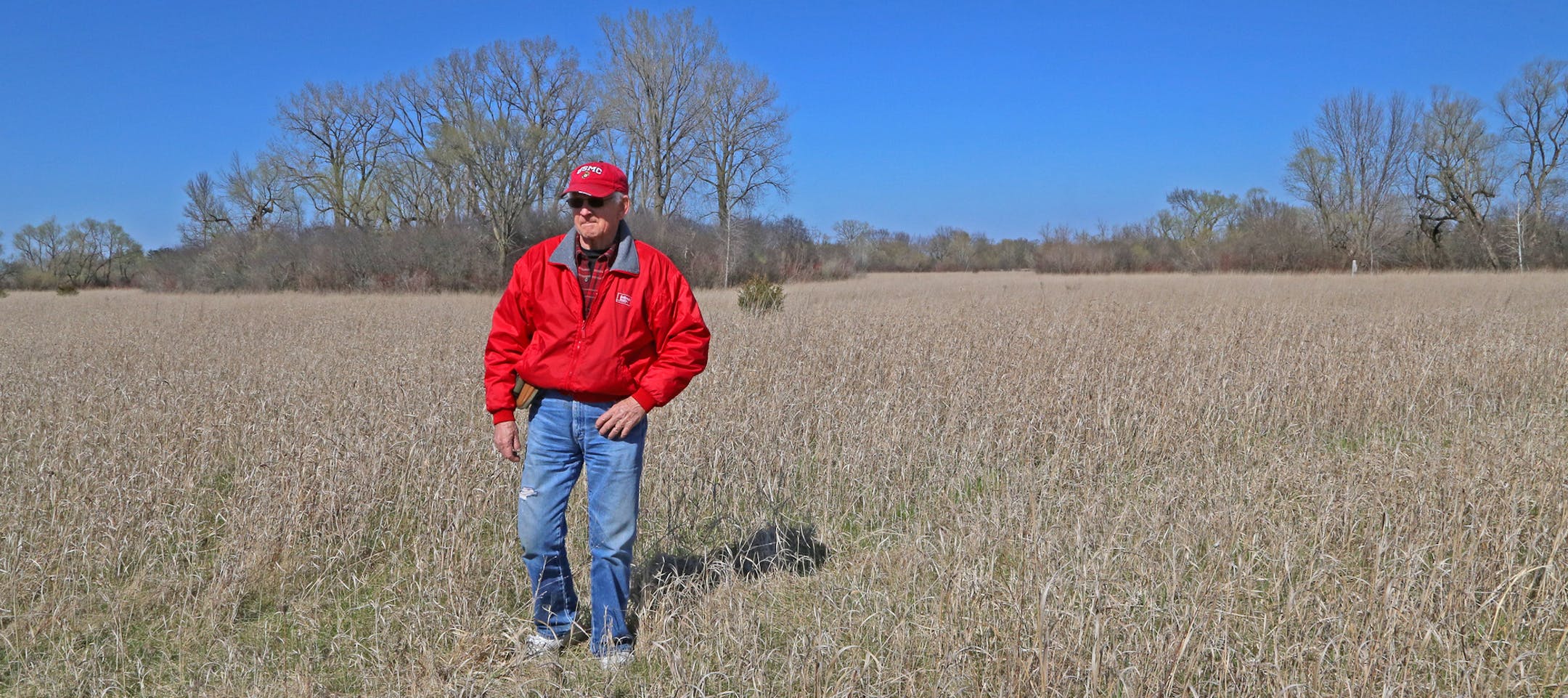
NORTHFIELD, MINN. – Not far from this picturesque southeast Minnesota college town, Jerry and Audrey Wicklund are conducting a natural-habitat experiment on a farm that has been in the family since the late 1940s.
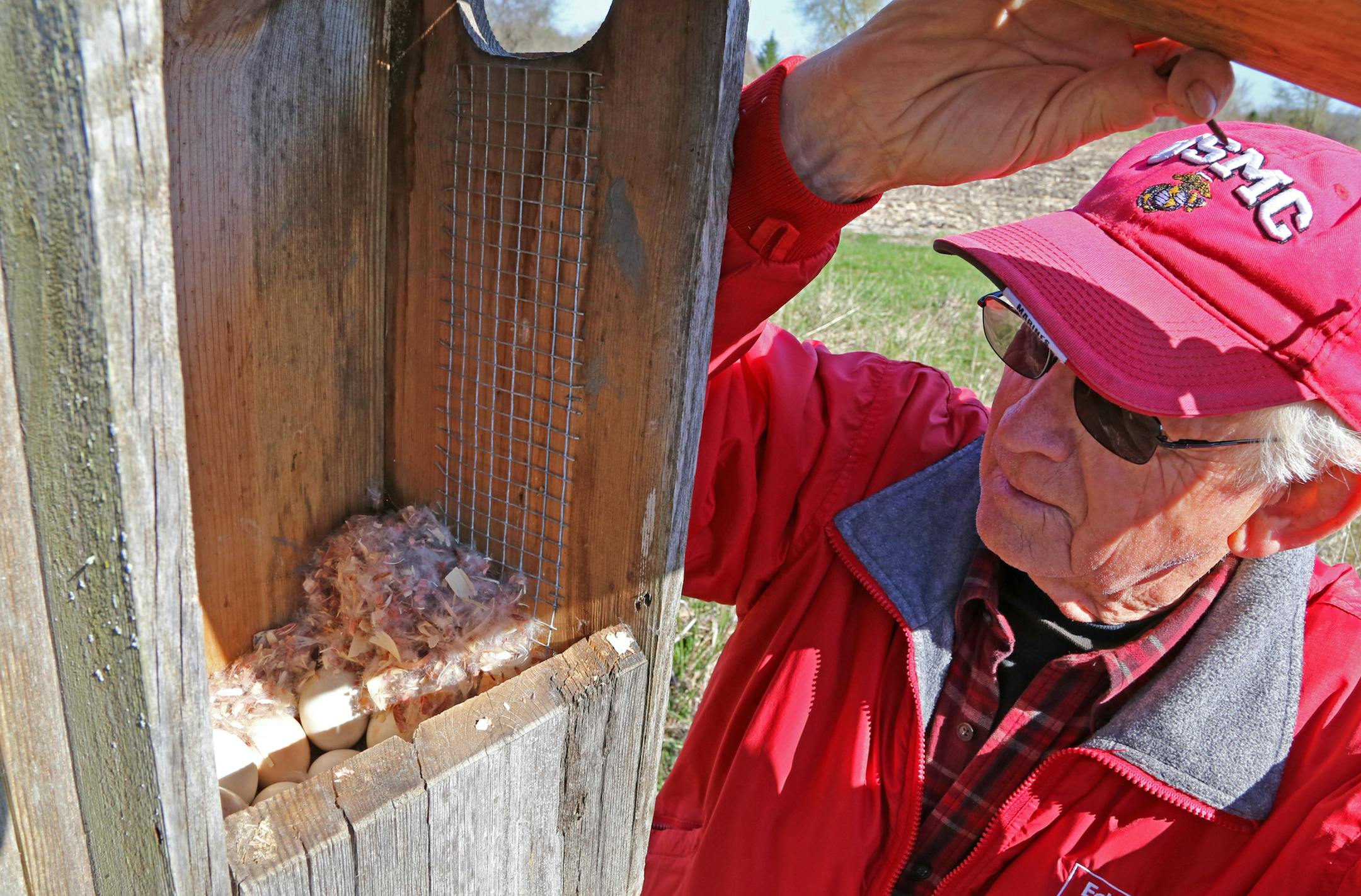
Surrounded by agriculture operations large and small whose crops include corn, soybeans and sod grass, the Wicklunds' farm is by comparison a wildlife paradise featuring acres and acres of prairies, undisturbed woods and fully 110 wood duck houses, most already laden this spring with eggs.
Jerry Wicklund, 78, was 7 years old when his parents bought 320 acres in Dakota County's Waterford Township. This was a big move from the country place outside of Faribault where Jerry was born, and the equally small rural home the family owned near the tiny town of Dundas.
"I'm one of eight kids, and the youngest of five boys," Jerry said. "My parents wanted us to live in the country because they were afraid if we lived in town, we'd get mixed up with the wrong crowd."
On the original 320-acre farm, the elder Wicklunds planted oats, wheat, corn and alfalfa for their cattle and dairy cows. Often they would cultivate their fields at night, using horses, and would hang lanterns between the animals' harnesses to ensure the planted rows were straight.
The family had 10 mouths to feed, and the margin for error, come harvest time, was slim.
But his parents, Jerry said, were not just fixated on the bottom line. Maintaining the health of their land, he said, was as important as crop yields and livestock production.
"I don't know where my mom and dad picked it up, but they cared a lot about habitat for animals, and particularly about erosion, which was a big thing back then," Jerry said.