

Coronavirus testing was a breeze when J.D. Schroeder traveled to Abu Dhabi and Mexico this fall. Not so much at home in Pennsylvania when he felt sick Wednesday and found out he had been exposed.
The mechanical engineer started looking for an over-the-counter rapid test because the earliest antigen test appointment he could find in his Pittsburgh-area community was almost a week away. Rite Aid would only let him order online. The closest CVS pharmacies were all out of stock. He nabbed the last box at a Walgreen's, which came back positive.
When he traveled to the United Arab Emirates for work last month, he paid roughly $13 for lab tests and got results within two hours. A hotel in Mexico where he vacationed over Thanksgiving had ample rapid testing kits for guests.
"I'm 31 and I'm pretty tech savvy. I can't imagine someone who doesn't have access to a computer or isn't comfortable searching different places to figure this stuff out because it can be confusing," said Schroeder, who is now quarantining at home.
Easy access to coronavirus tests — both rapid at-home kits and PCR tests analyzed in labs — is uneven across the United States as the nation faces the prospect of explosive outbreaks linked to holiday travel and the highly transmissible omicron variant, connected to sharp surges in cases globally. Government officials and public health experts have urged Americans to get tested before they attend big events like holiday parties and gather for Christmas. It's a way to break chains of transmission by nipping outbreaks at the bud, especially in places declining to reinstate mask mandates or social distancing measures.
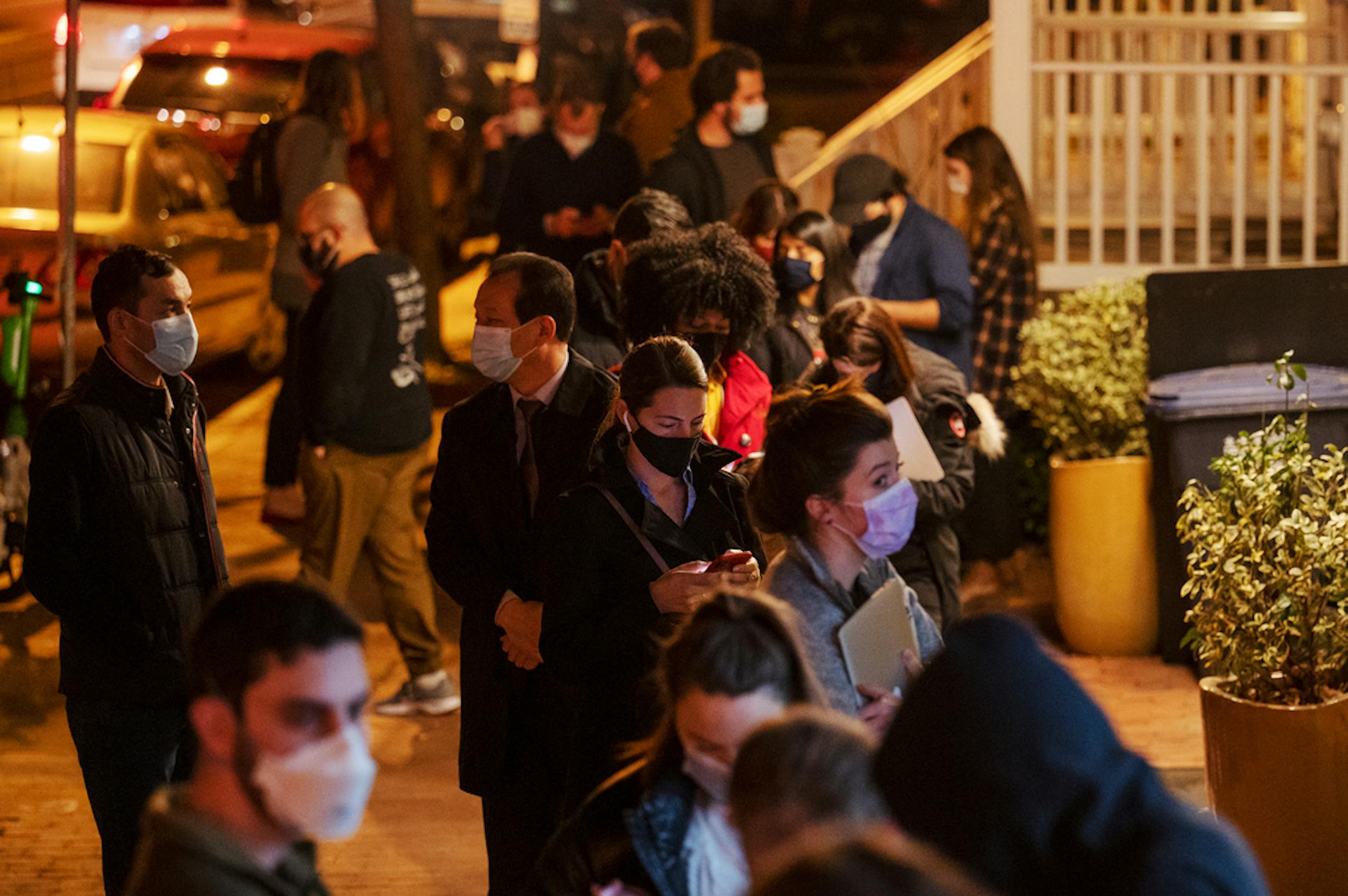
But some Americans trying to be good pandemic citizens are having a hard time finding tests. Some are turning to Facebook or group chats for leads on which stores still have rapid tests in stock. Some are waiting in their cars for hours for PCR tests. New York City, again emerging as an epicenter with infections skyrocketing, announced plans Thursday to distribute 500,000 at-home tests and expand testing sites as residents report waiting in line for hours to get tested.
Others may decide the hunt is not worth the hassle.
Because the testing system is decentralized and spread out across public and private labs, clinics and providers, there's no clear systemic data on the availability of testing. But health officials and experts say capacity is a problem as demand surges. Daily testing is averaging above 1.5 million a day for the first time since October, according to the Johns Hopkins University tracking.


