

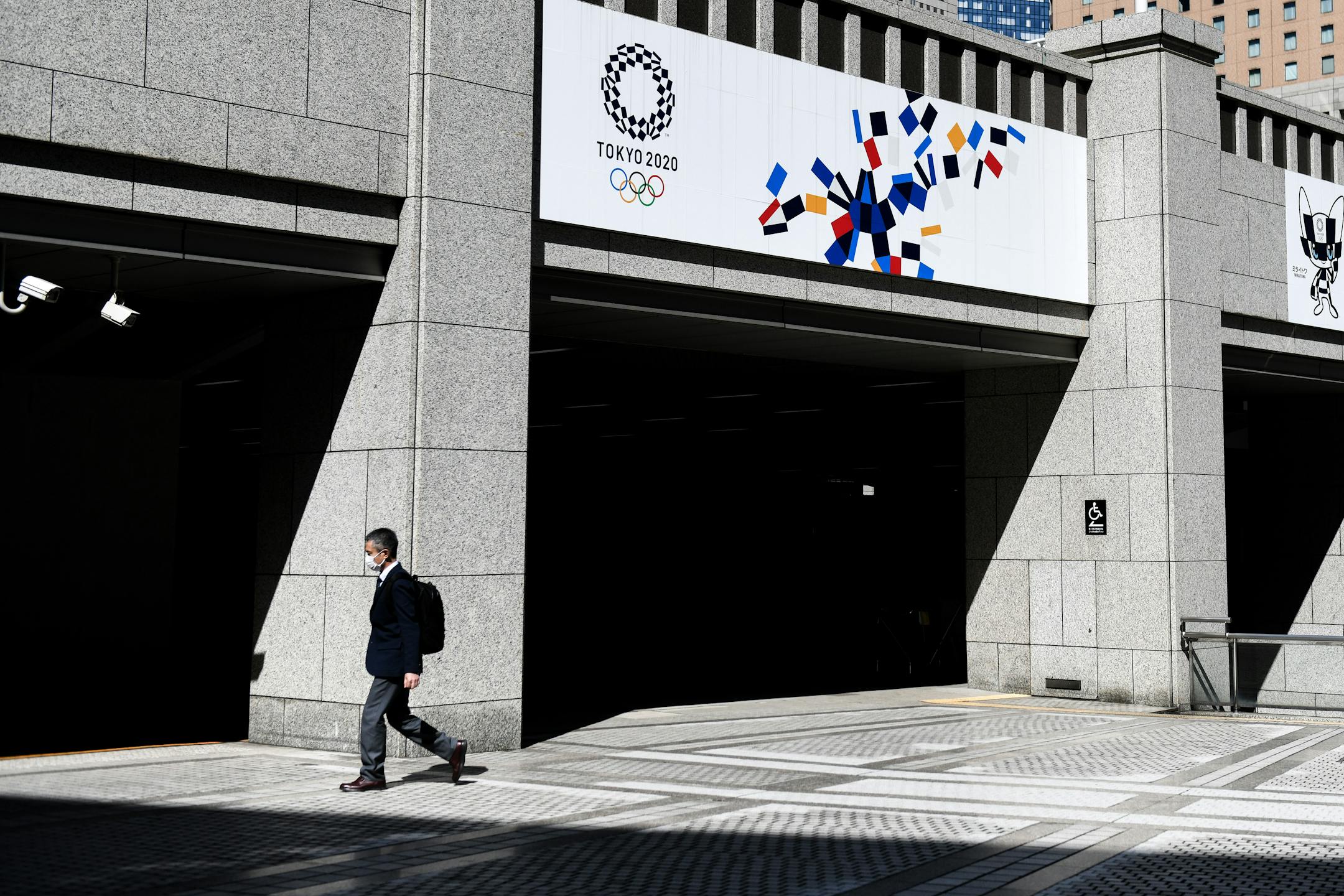
The modern Olympic Games are designed to bring the world together despite ever-present global strife. There have only been three wartime cancellations and one postponement — last year due to the coronavirus pandemic.
That crisis isn't over and in fact is intensifying in many countries. That includes Japan, whose capital, Tokyo, was set to host last year's Summer Olympics. In the face of domestic political opposition (as well as growing global angst) sparked by justifiable health concerns, the Japanese government, the Tokyo organizing committee, and the International Olympic Committee are gamely pressing on with the Games, which are slated to start on July 23.
That's the right call, as long as mitigation strategies are adhered to and organizers continue to press for all participants to be vaccinated.
Extraordinary protocols already have been codified in what the IOC calls "Playbooks," and testing is a priority. Two negative COVID tests are required before boarding a plane to Tokyo. Most athletes will then be sequestered to their rooms for three days. After three negative tests, they can move more freely about the Olympic Village, but not in the broader city, as happens at most Olympics. Athletes will be tested daily thereafter, and competitors will depart Tokyo after their sport has concluded competition, thereby reducing the number of athletes present and increasing social distancing.
The current "Playbooks" are the second version, and a final update will be issued sometime this month. In deciding on the final protocols, the IOC would be wise to review a New England Journal of Medicine article written by four prominent health experts, including Michael Osterholm, the director of the University of Minnesota's Center for Infectious Disease Research and Policy.
The authors offer a number of mitigation recommendations, directly challenge the efficacy of some of the suggested protocols and call for the World Health Organization to convene an emergency committee that includes experts in occupational safety and health, building and ventilation engineering and infectious-disease epidemiology, as well as athletes.
The WHO already has had some involvement in coming up with the current mitigation measures, Dr. Jonathan Finnoff, the U.S. Olympic Committee's chief medical officer, told an editorial writer. Acknowledging the "unprecedented times," Finnoff said that there were many examples of mass-participation events to learn from, with many happening before the advent of vaccines that are available in many developed nations but scarce in much of the developing world.
The IOC has said it expects over 80% of athletes to be vaccinated when they arrive in Tokyo, and it has offered to vaccinate others. While there are many reasons why the IOC won't (and in some cases can't) mandate vaccinations, there should be a more specific, rigid opt-out protocol. While that wouldn't erase all risks, it would boost overall safety.


