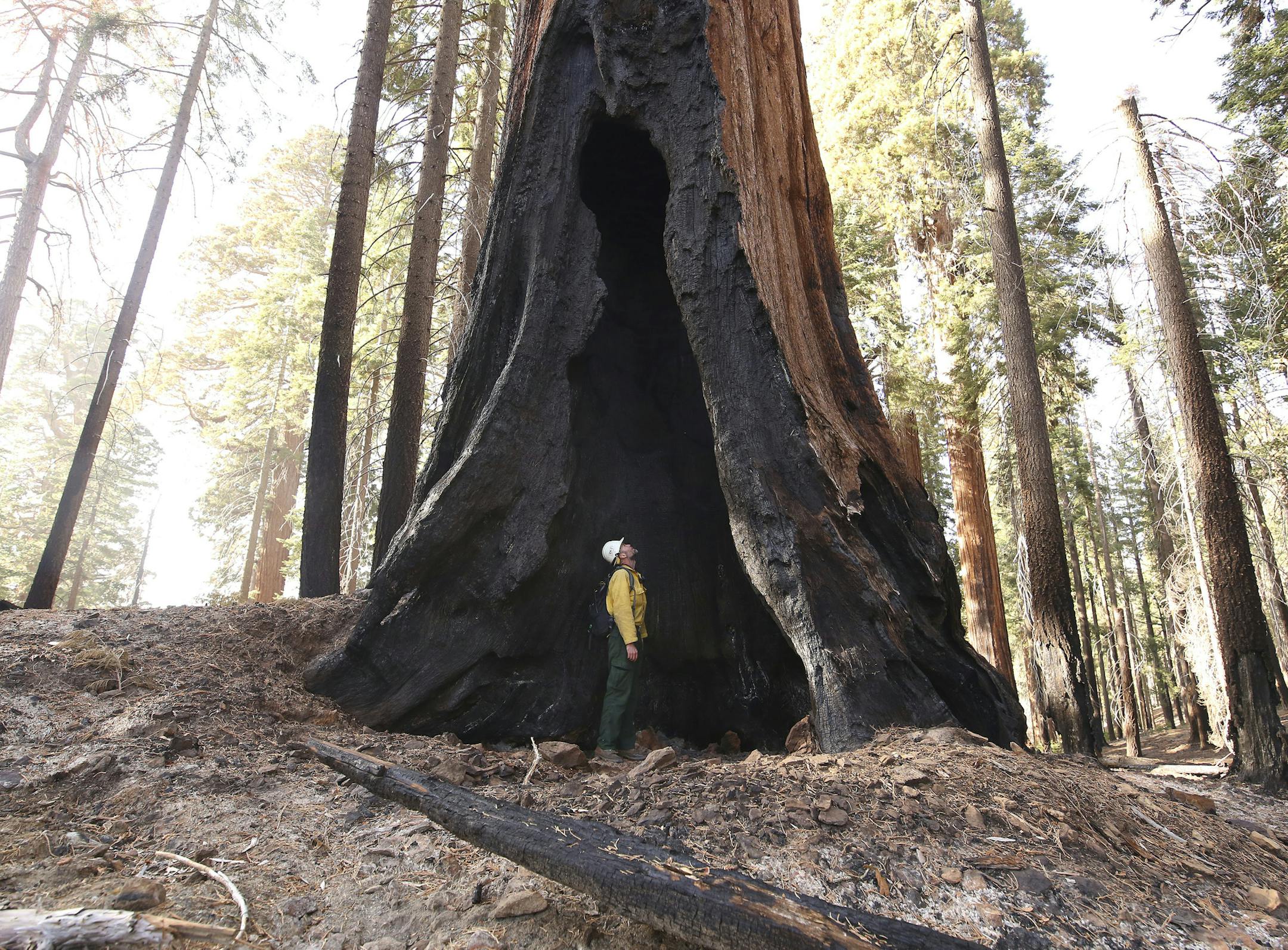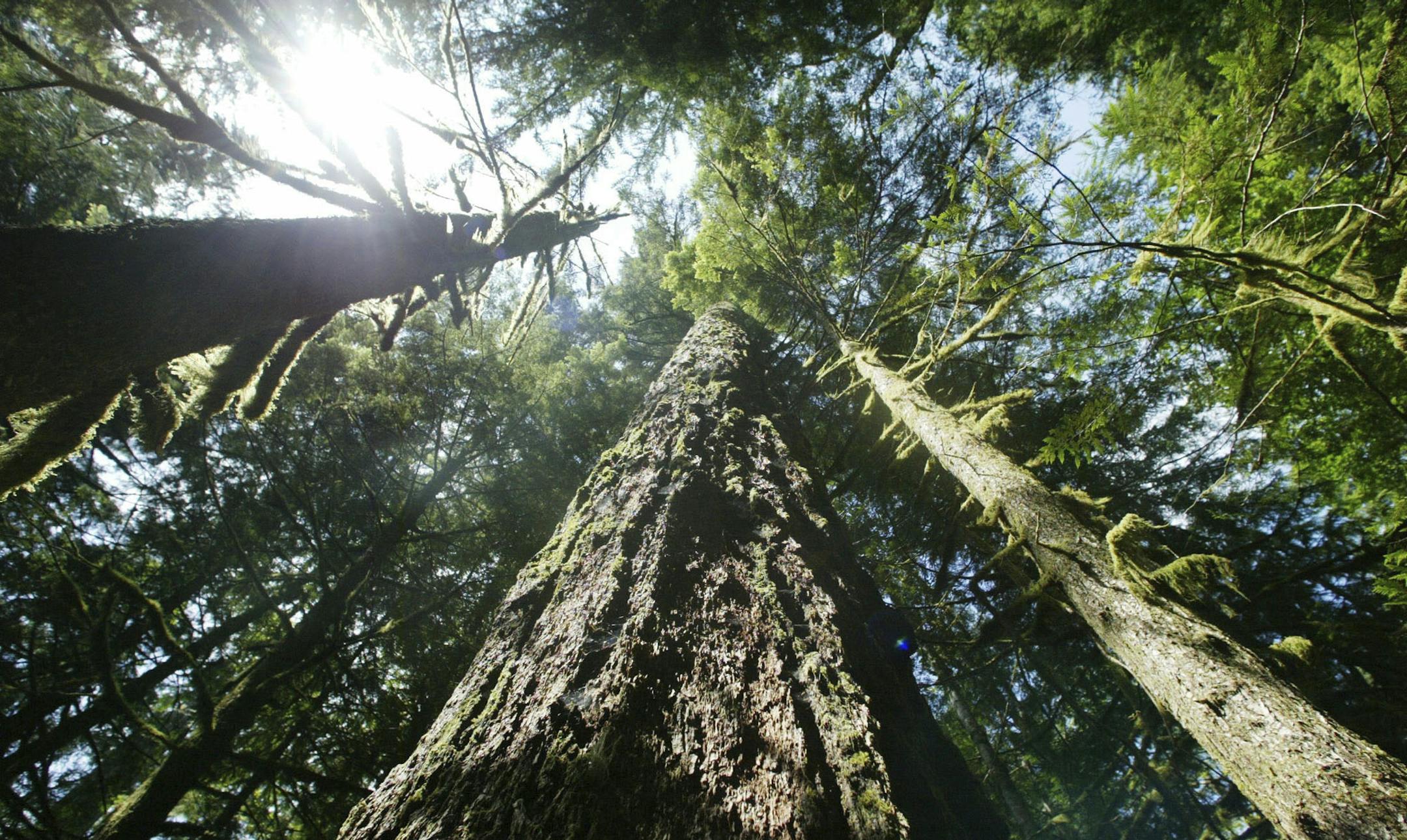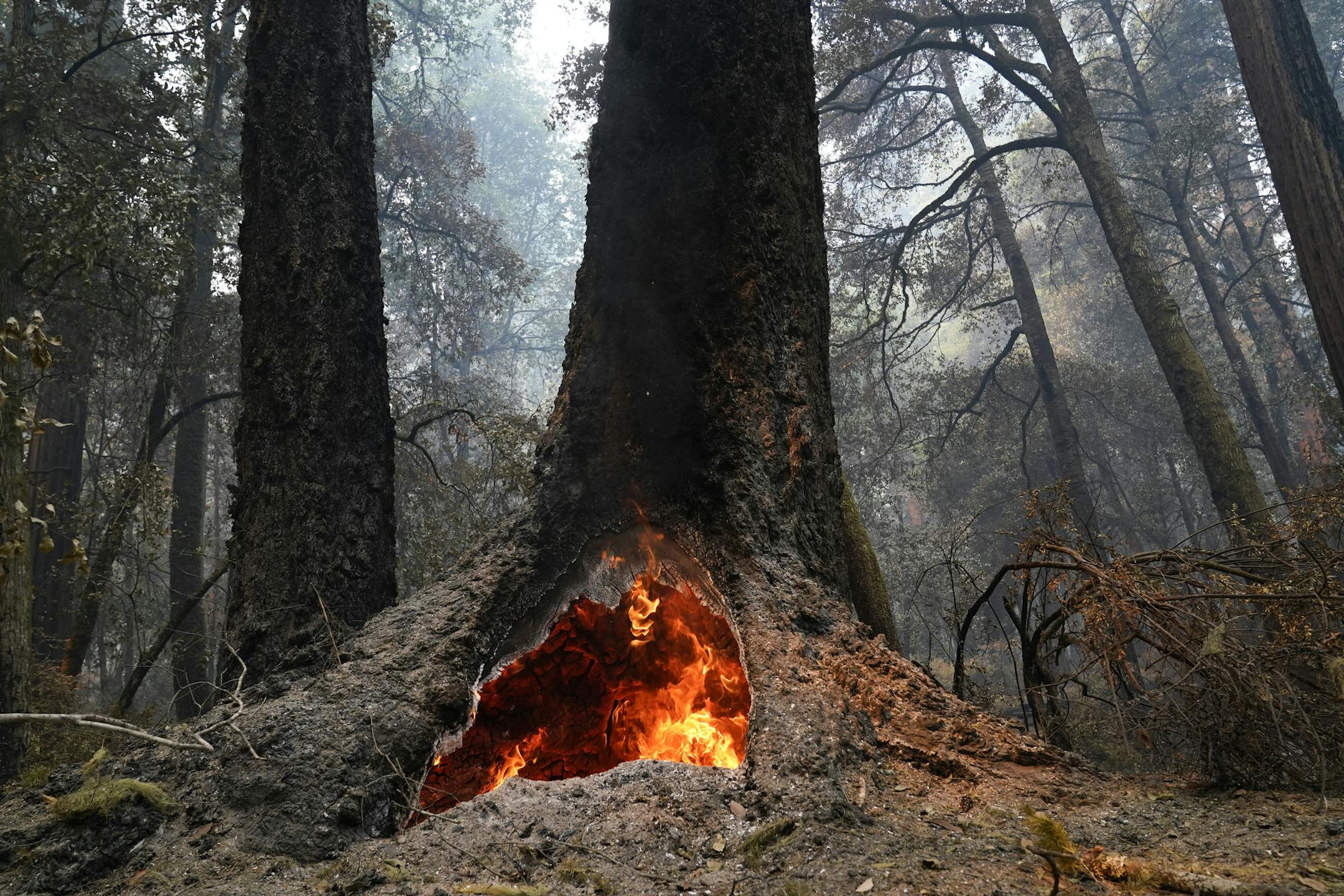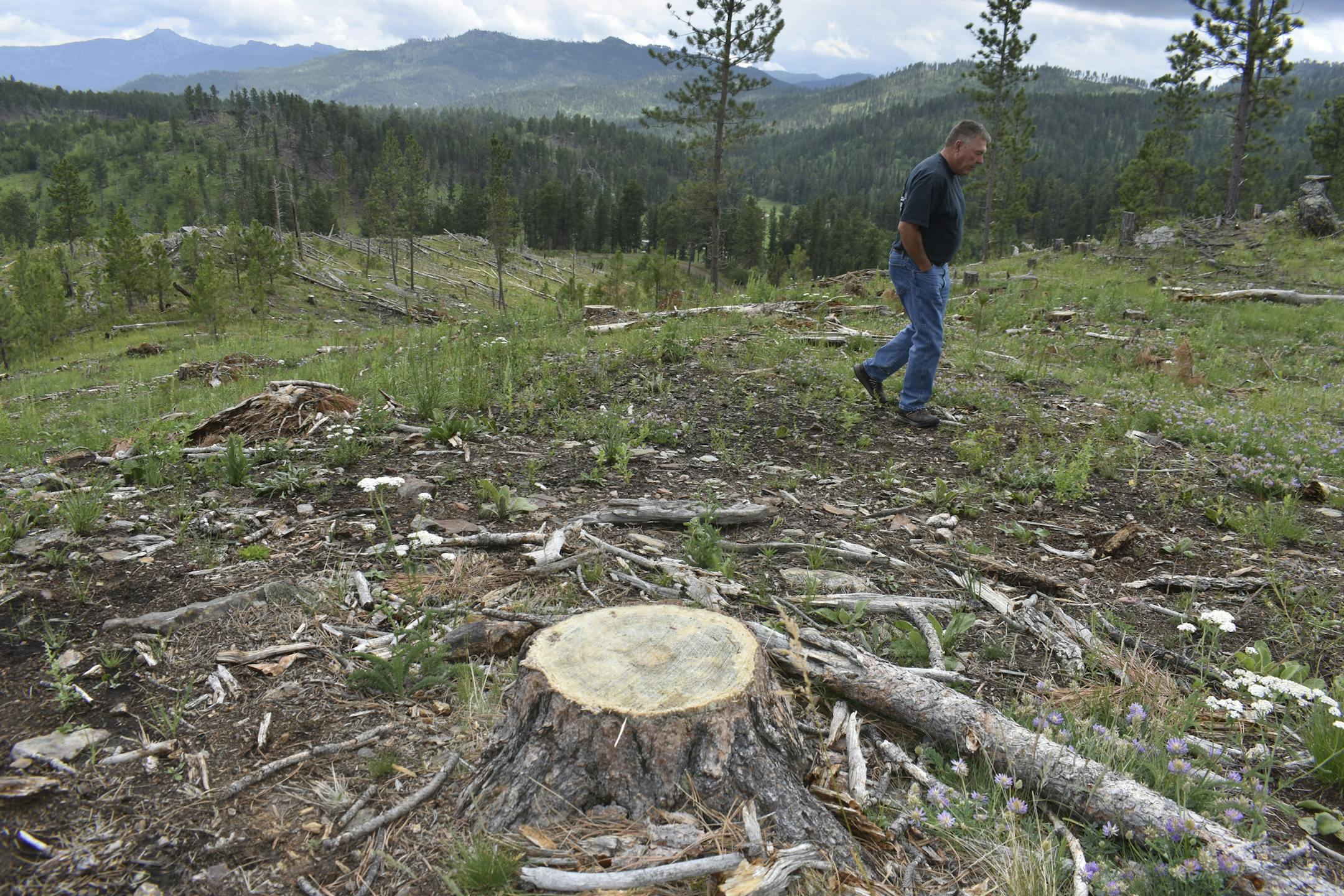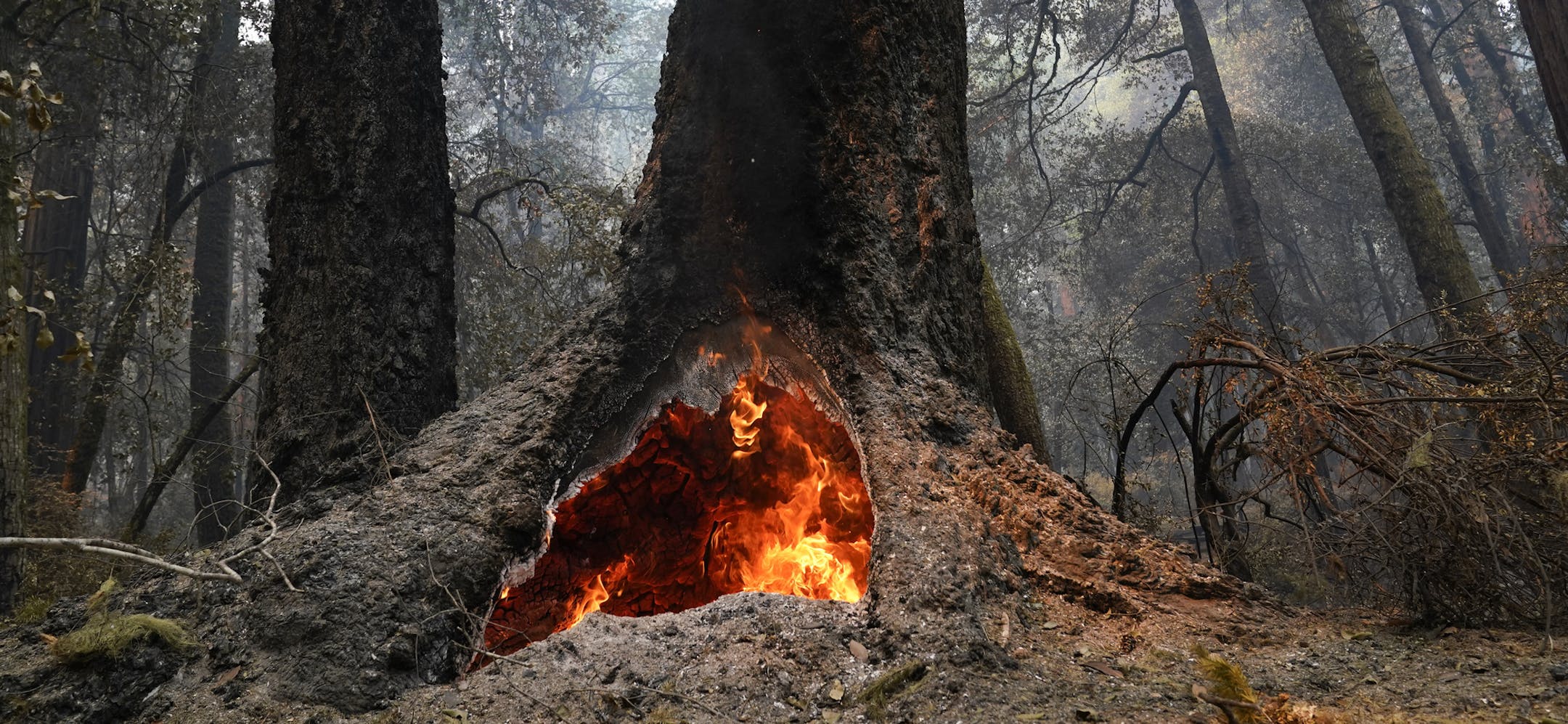
In a first-ever finding that could increase protections for remaining U.S. forests, the federal government estimated this month that more than 100 million acres of old-growth and mature timberlands are still standing on public lands, despite decades of commercial logging, wildfires and climate threats.
The findings, the result of a yearlong review ordered in 2022 by President Joe Biden, are likely to inflame tensions with the timber industry over which forests — especially those in the western United States — should remain unlogged. But they are energizing many conservation activists, including those who argue that old-growth forests are vital for storing carbon dioxide that contributes to climate change.
"It's extremely encouraging that the Biden administration is recognizing the value of mature and old-growth trees," said Blaine Miller-McFeeley, senior legislative representative at Earthjustice. He said the environmental law group supports rules "that will protect and restore climate forests for future generations from the threats they face today, including unnecessary logging."
The report by the U.S. Forest Service and the Bureau of Land Management is the result of an order Biden issued last year to protect older forests from wildfire, climate change and other threats. While the order itself was controversial — environmentalists and the timber industry disagree over what counts as an "old" tree — the findings are likely to fuel debate over which forests deserve more protection.
The report found that more than 32 million acres of old-growth forests remain on public lands in the United States, representing about 18% of all forested land managed by the two agencies. The ages and sizes of these trees vary by species and region, but most are well over 100 years old. Scientists and environmentalists view these trees as vitally important to fighting climate change because they store vast amounts of carbon in their trunks, branches and roots. The study also concluded that there are around 80 million acres of mature forest — about 45% of the agencies' forested land.
Most are in Western states such as Idaho, California, Montana and Oregon. But they're also in New England, around the Great Lakes and in Southern states such as Arkansas, Kentucky and West Virginia, according to a Forest Service online map.
Mature forests are scattered throughout Minnesota's two federally managed woods: Superior National Forest, which spans most of the northeast part of the state, and Chippewa National Forest, which surrounds Leech Lake. The inventory estimates that more than a third of the forest stretching from the Boundary Waters Canoe Area Wilderness to Tofte on Lake Superior qualifies as mature.
Many of Minnesota's remaining old growth forests, however, are under state, rather than federal control. Those forests, which include hundreds of acres of towering pines surrounding Lake Itasca at the headwaters of the Mississippi River are protected as state parks or as scientific and natural resource areas (SNAs). Tiny fragmented old-growth remnants of the state's "Big Woods" remain near the Twin Cities, in small SNAs such as Wood-Rill and Wolsfeld Woods where trees are up to 350 years old.