

Minnesota lawmakers often cited the need to "restore the Legislature as a coequal branch" of state government as a reason to end Gov. Tim Walz's pandemic emergency authority.
Now that those gubernatorial powers are gone, it's time for the Legislature to act like the pandemic management partner many members demanded it to be.
Minnesota's current COVID-19 metrics are alarming even before winter sets in and we head back inside, where conditions facilitate viral spread. Action at the Capitol, not wishful thinking, is needed to save lives and prevent hospitalizations from overwhelming already exhausted medical providers.
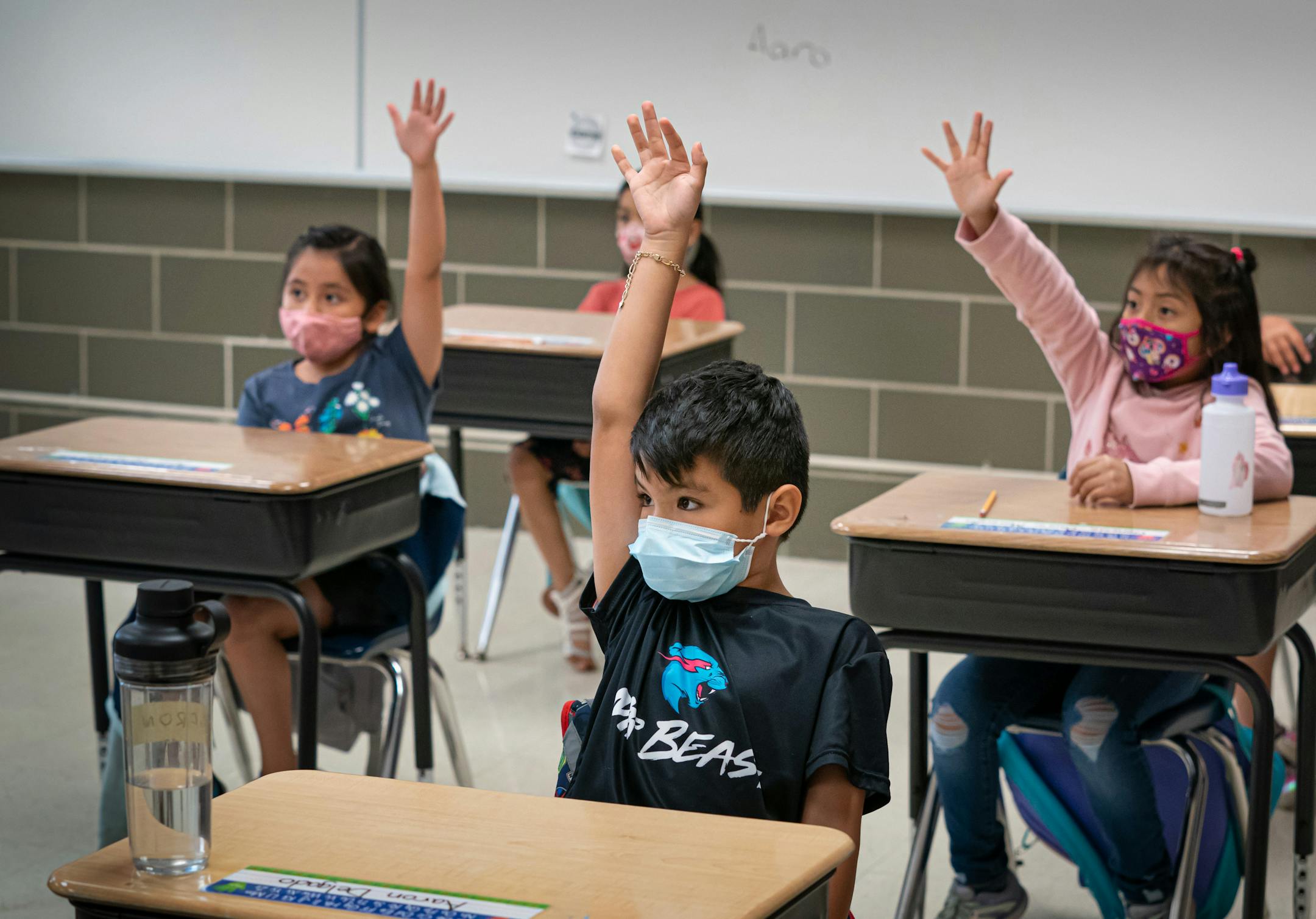
Specifically, a statewide strategy to protect K-12 students and staff and keep them in the classroom without interruption — for which the Star Tribune Editorial Board has advocated for months — is urgent.
This week, Walz sent a letter to legislators outlining actions necessary to contain COVID. The missive comes as a special session looms to distribute $250 million in bonus pay to front-line workers. But the ongoing pandemic requires action as well, and the onus is on lawmakers to do so now that the governor's emergency authority has ended.
Walz's recommendations include measures that cut through red tape to provide flexibility to medical providers and long-term care centers. These likely won't be controversial. What will be, however, is the call to enact stronger and more "consistent" COVID policies in K-12 schools.
Decisions on masking, testing, staff vaccination and other mitigation measures are handled by individual school districts. The result is a confusing patchwork that does little to protect kids, keep them in the classroom or halt the highly transmissible delta variant. While severe illness is infrequent in children, it still can happen, especially when there are more COVID cases in this age group.
Unfortunately, the state is seeing record COVID-19 case counts reported in Minnesota pre-K-12 schools, the Star Tribune reported recently. COVID is rising in the general population as well. Hospitalizations in the state hit a high-water mark for the year this week, reaching 847. On Wednesday, state health officials reported 40 new deaths.


