(The Minnesota Star Tribune)
(The Minnesota Star Tribune)
(The Minnesota Star Tribune)
(The Minnesota Star Tribune)
(The Minnesota Star Tribune)
(The Minnesota Star Tribune)
(The Minnesota Star Tribune)
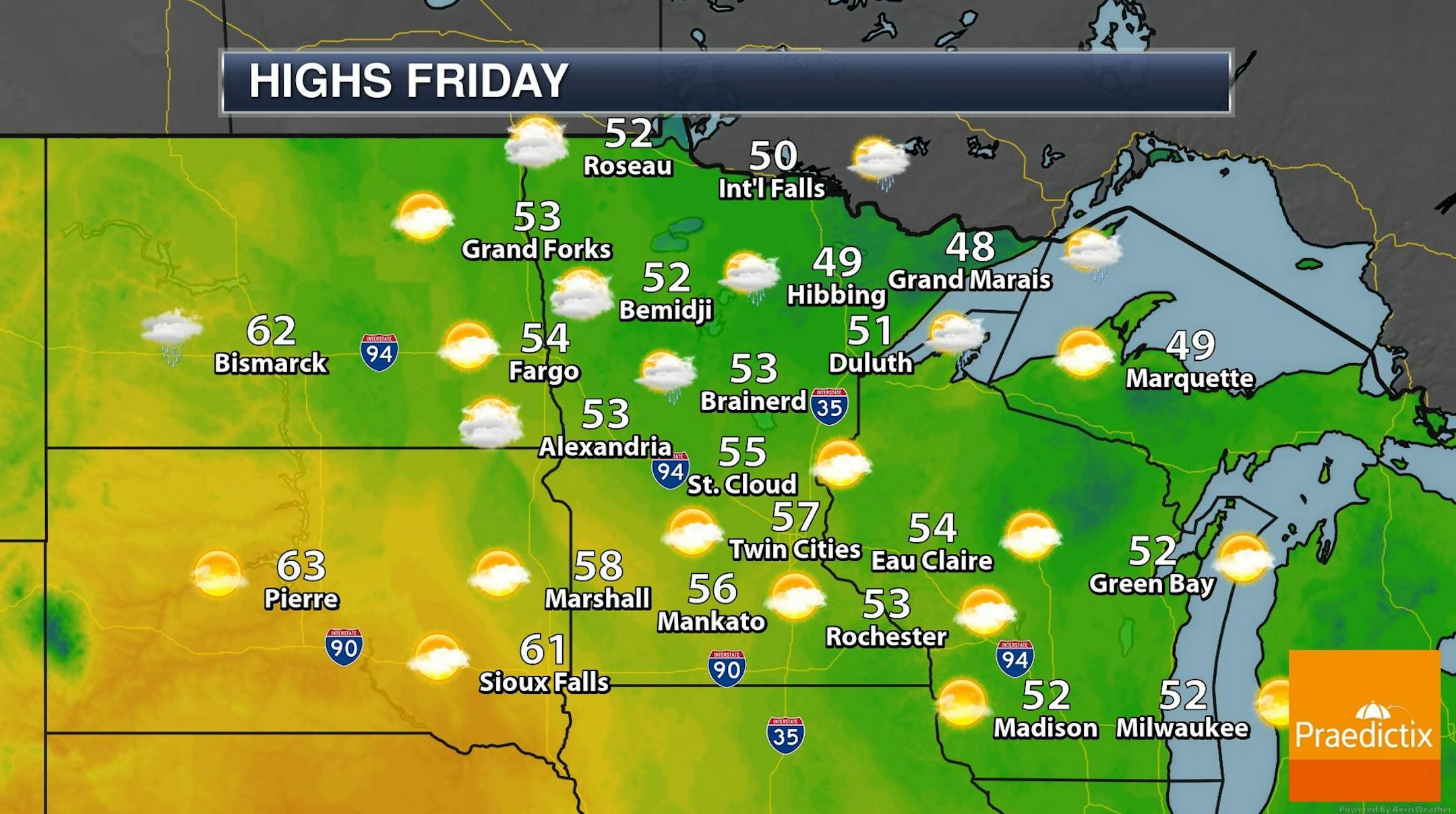
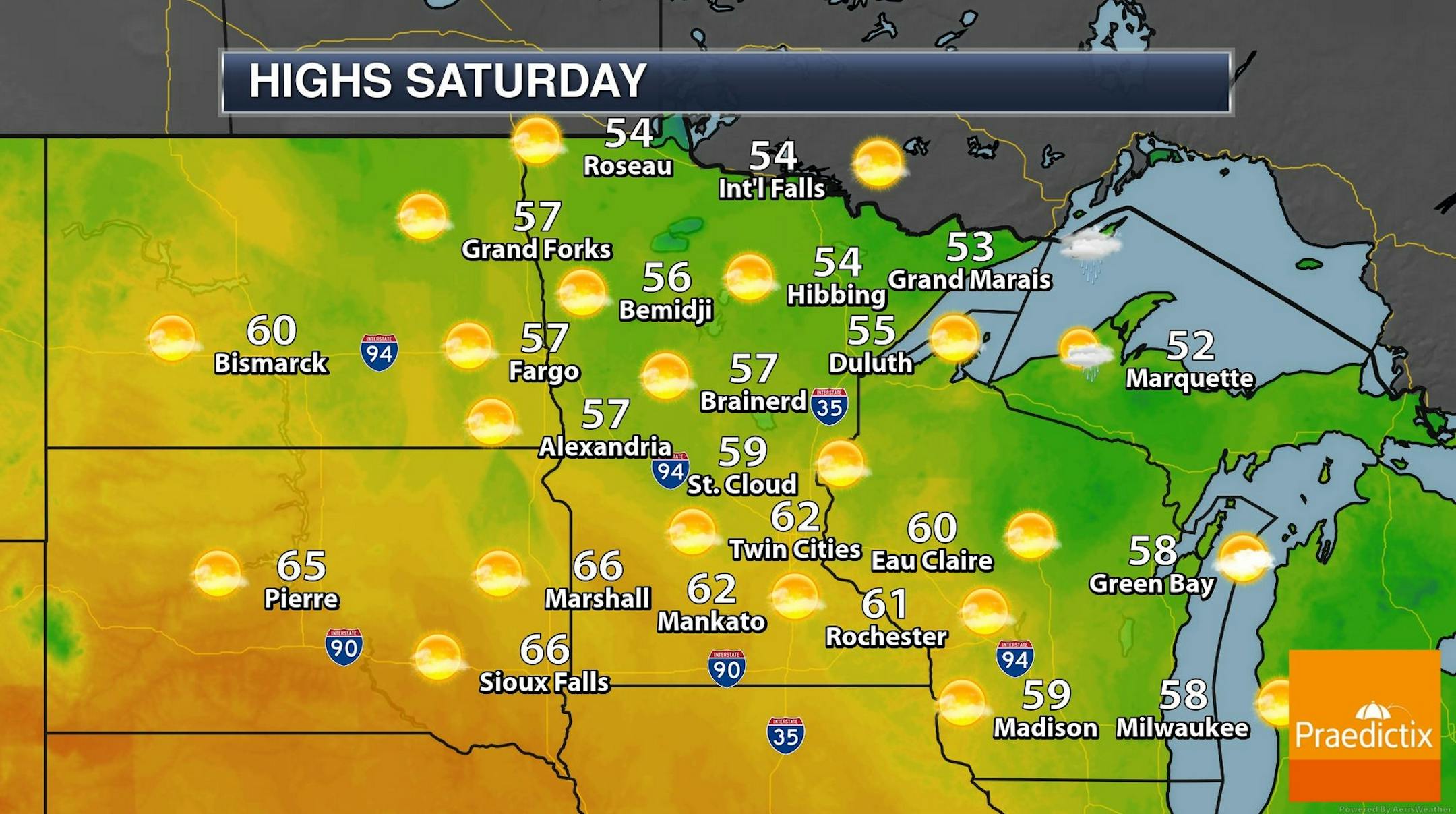
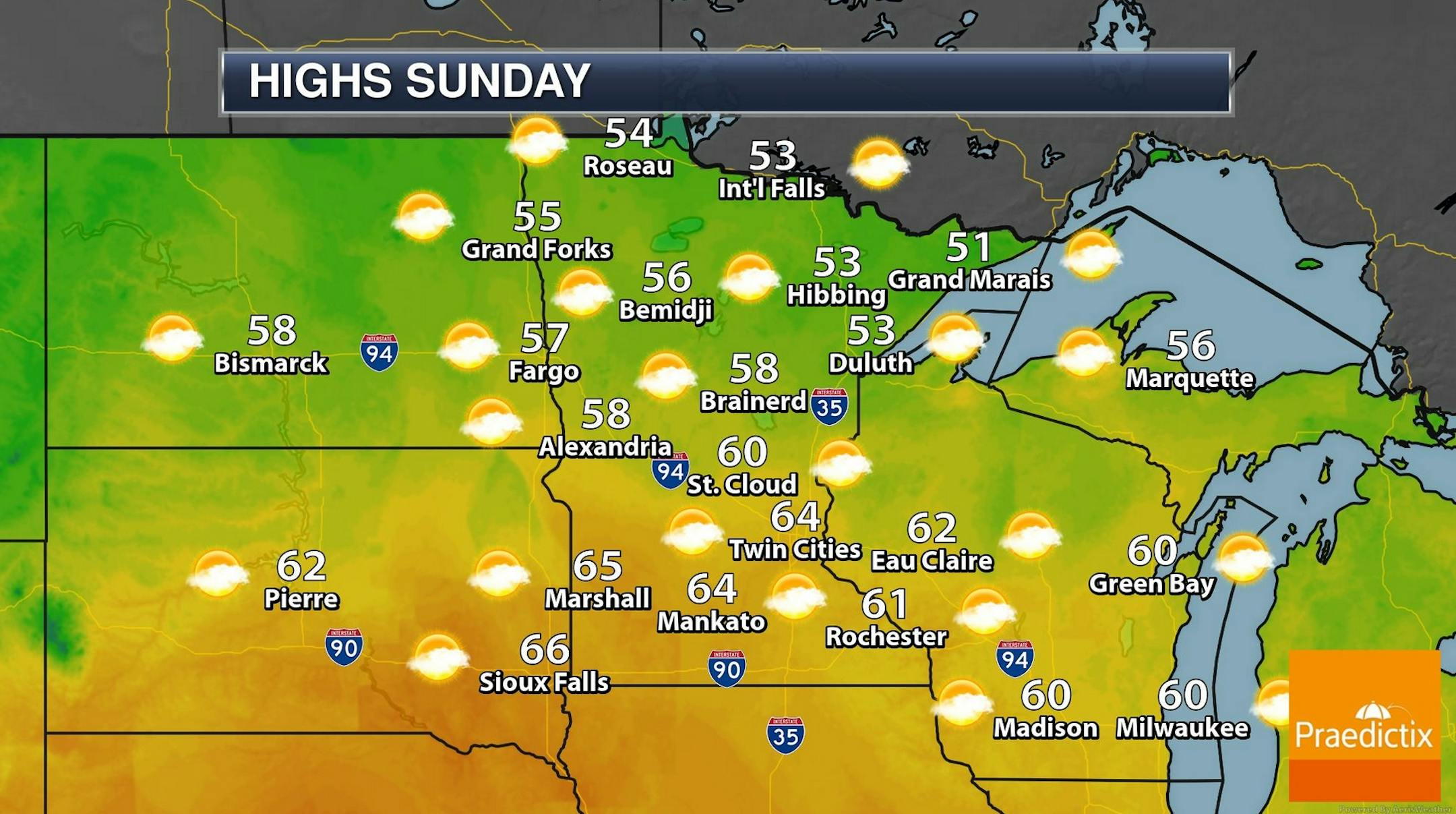
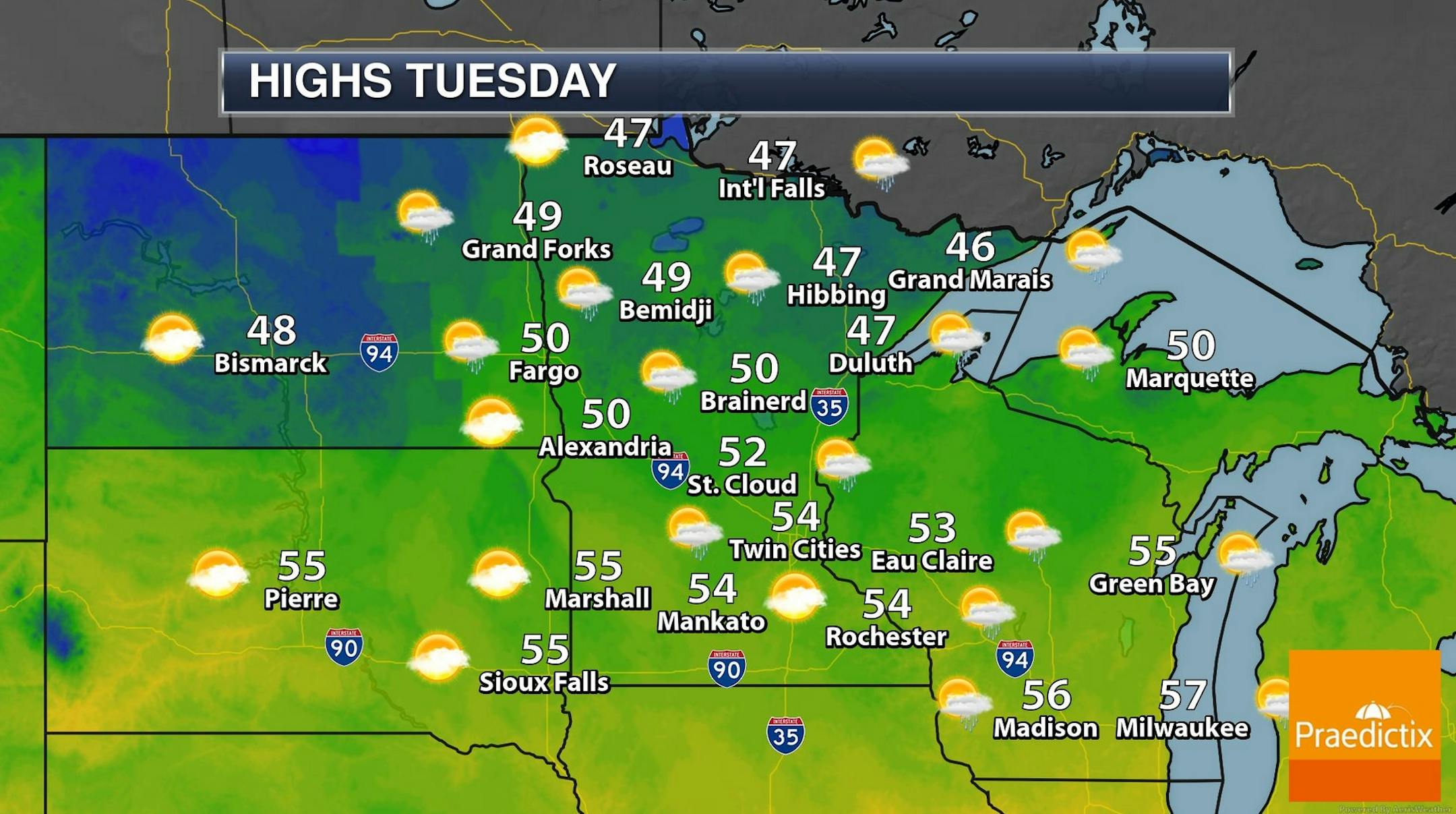
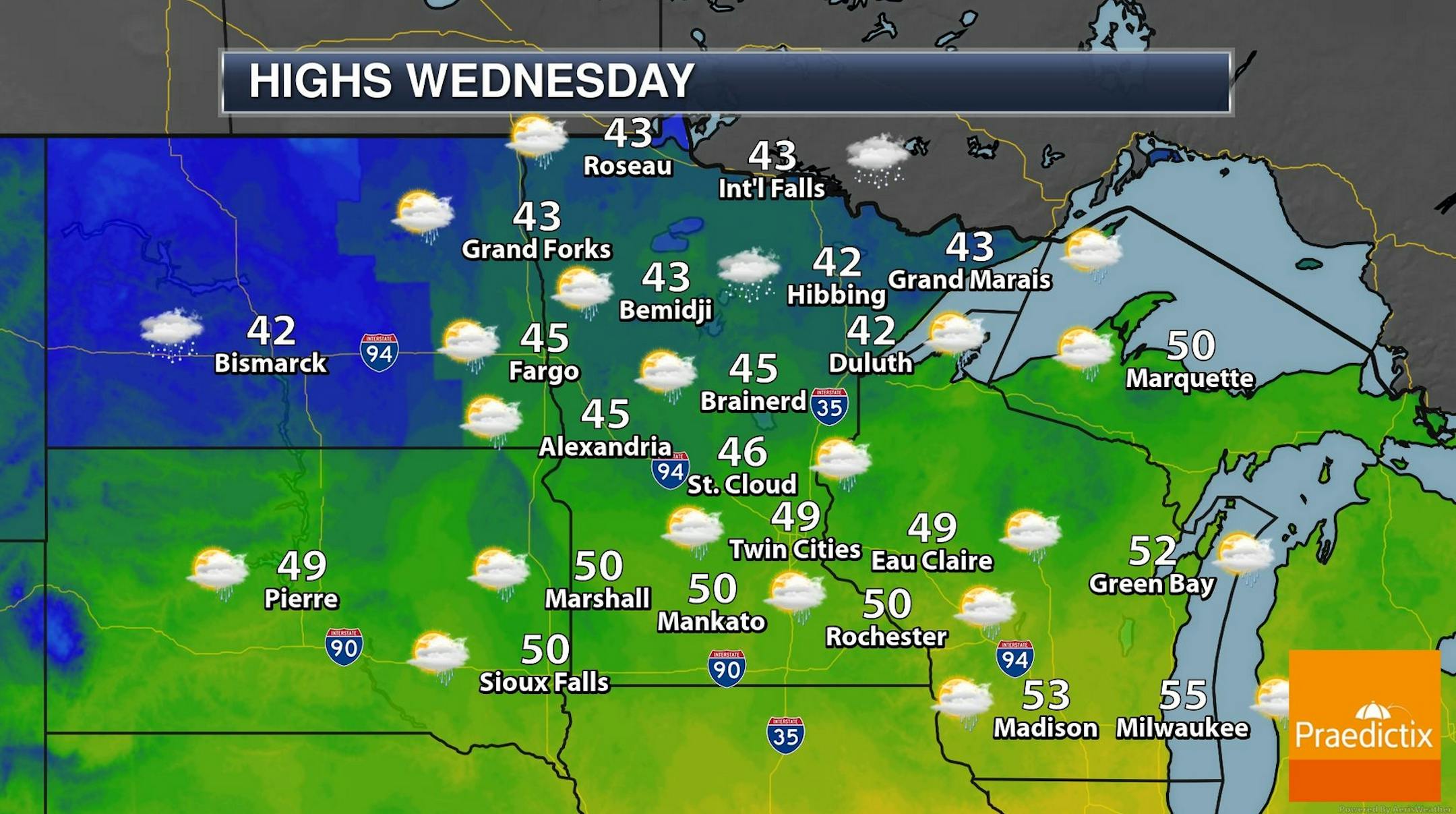
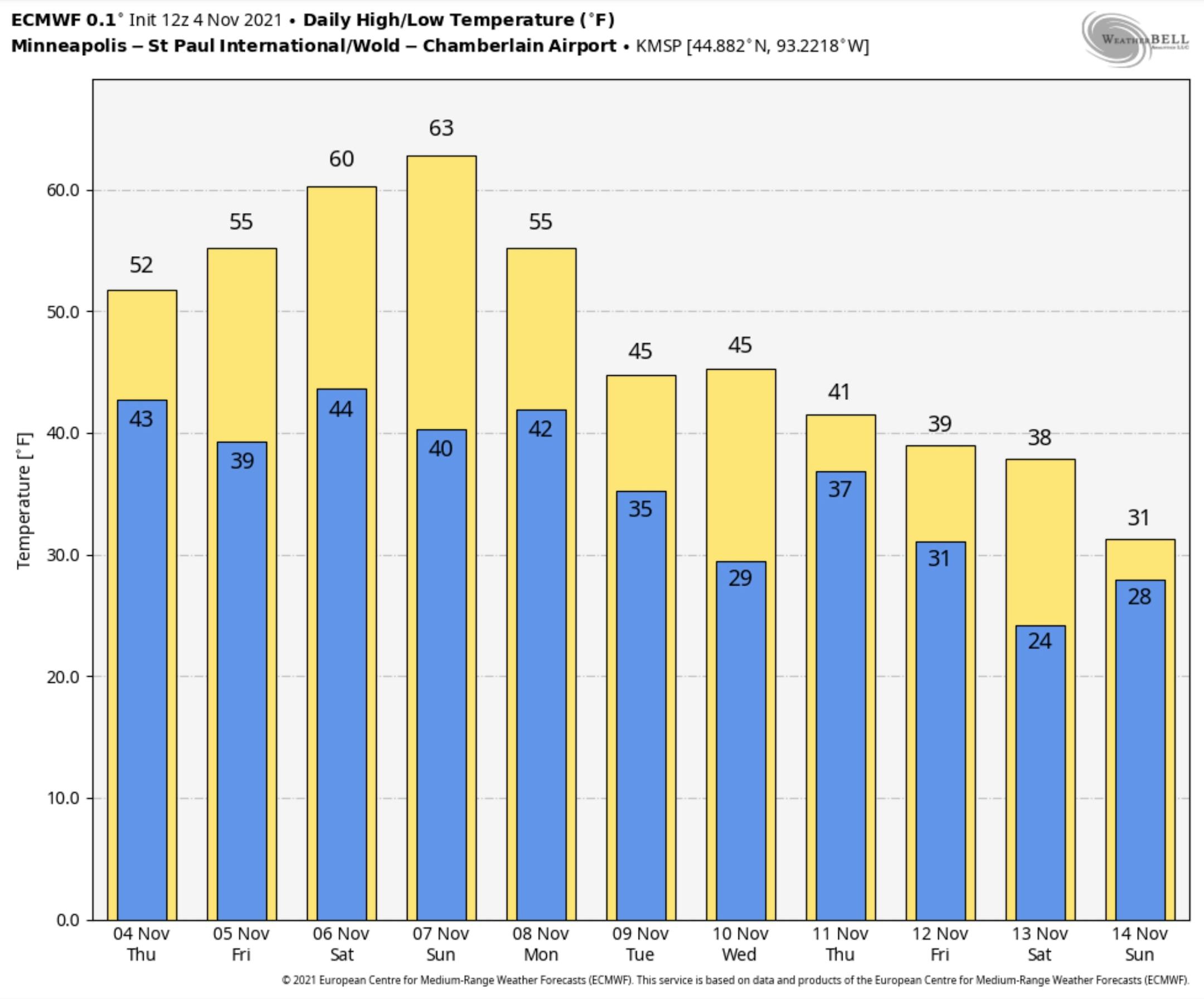
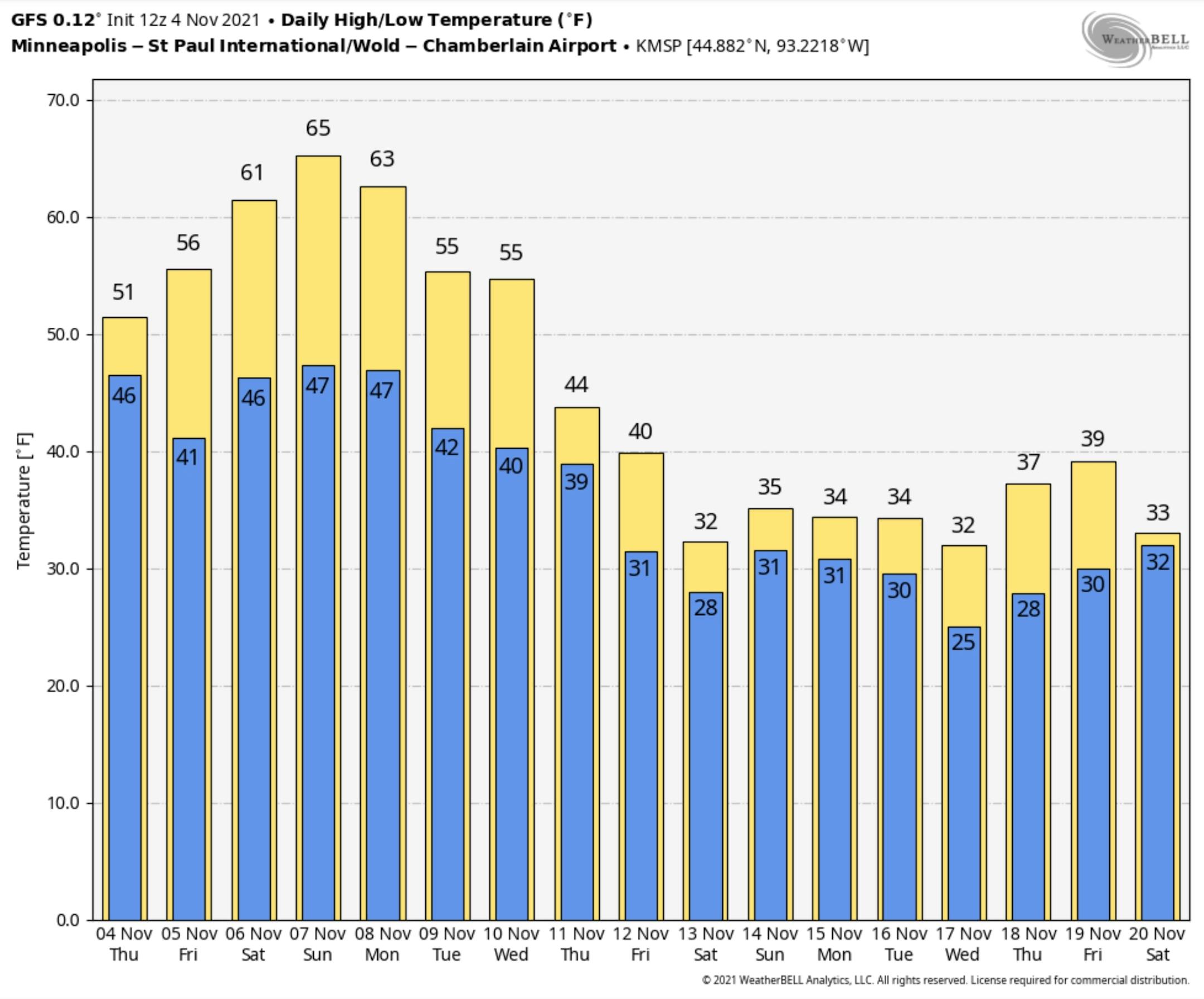
Weekend Bliss, Then Colder Next Week. Temperatures Saturday and Sunday should run 15-20F warmer than average, before reality sinks in next week. By the end of the week it may be cold enough for snow, especially north/west of the MSP metro area.
ECMWF Temperatures for MSP (weatherbell.com/The Minnesota Star Tribune)
NOAA GFS Temperatures for MSP (The Minnesota Star Tribune)
(The Minnesota Star Tribune)
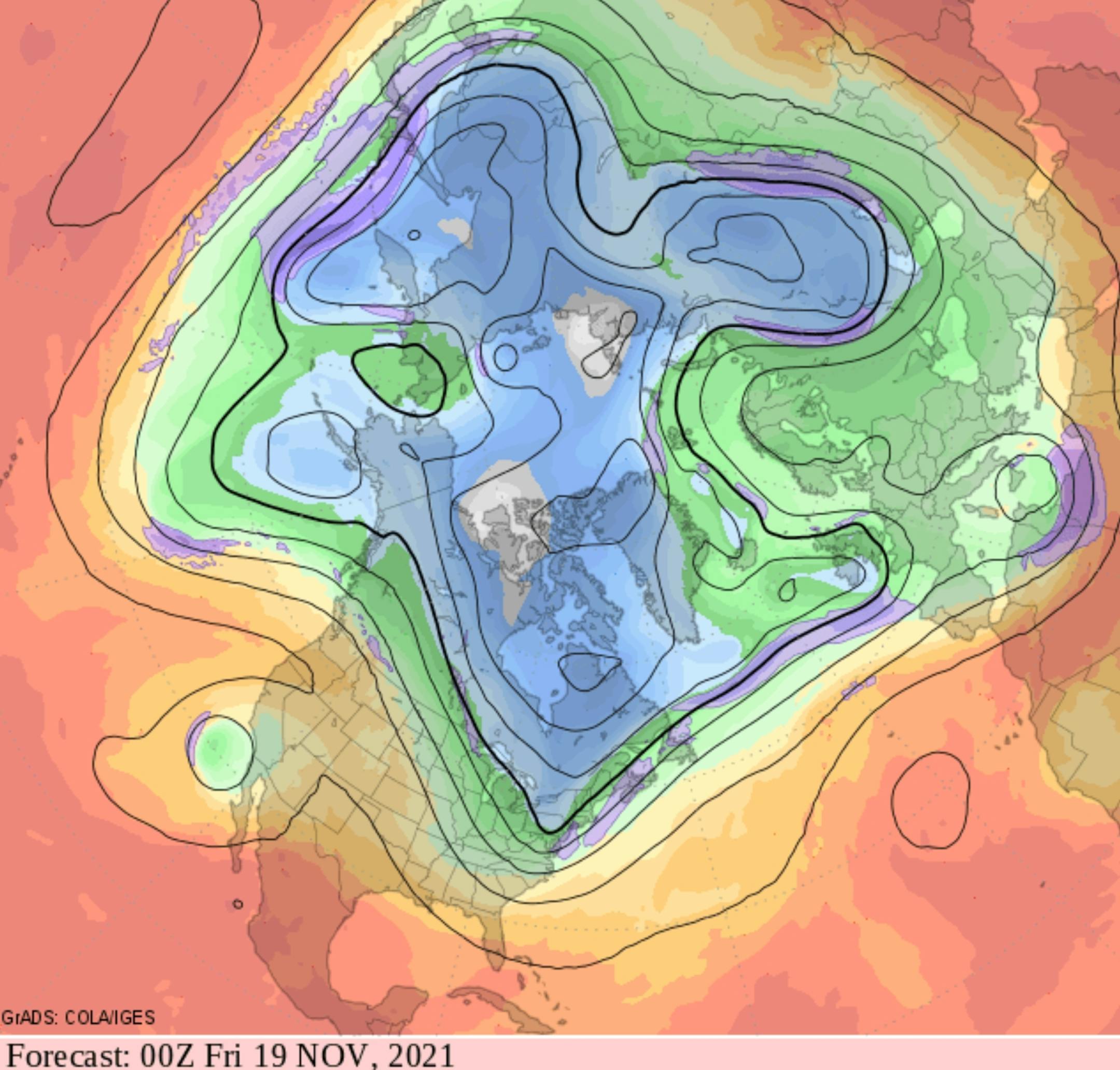
Chilly, Not Polar. After a potentially slushy cold weather correction late next week long range models hint at (slight) moderation before Thanksgiving - the flow still zonal, pumping in relatively mild air from the Pacific 2 weeks out.
(The Minnesota Star Tribune)
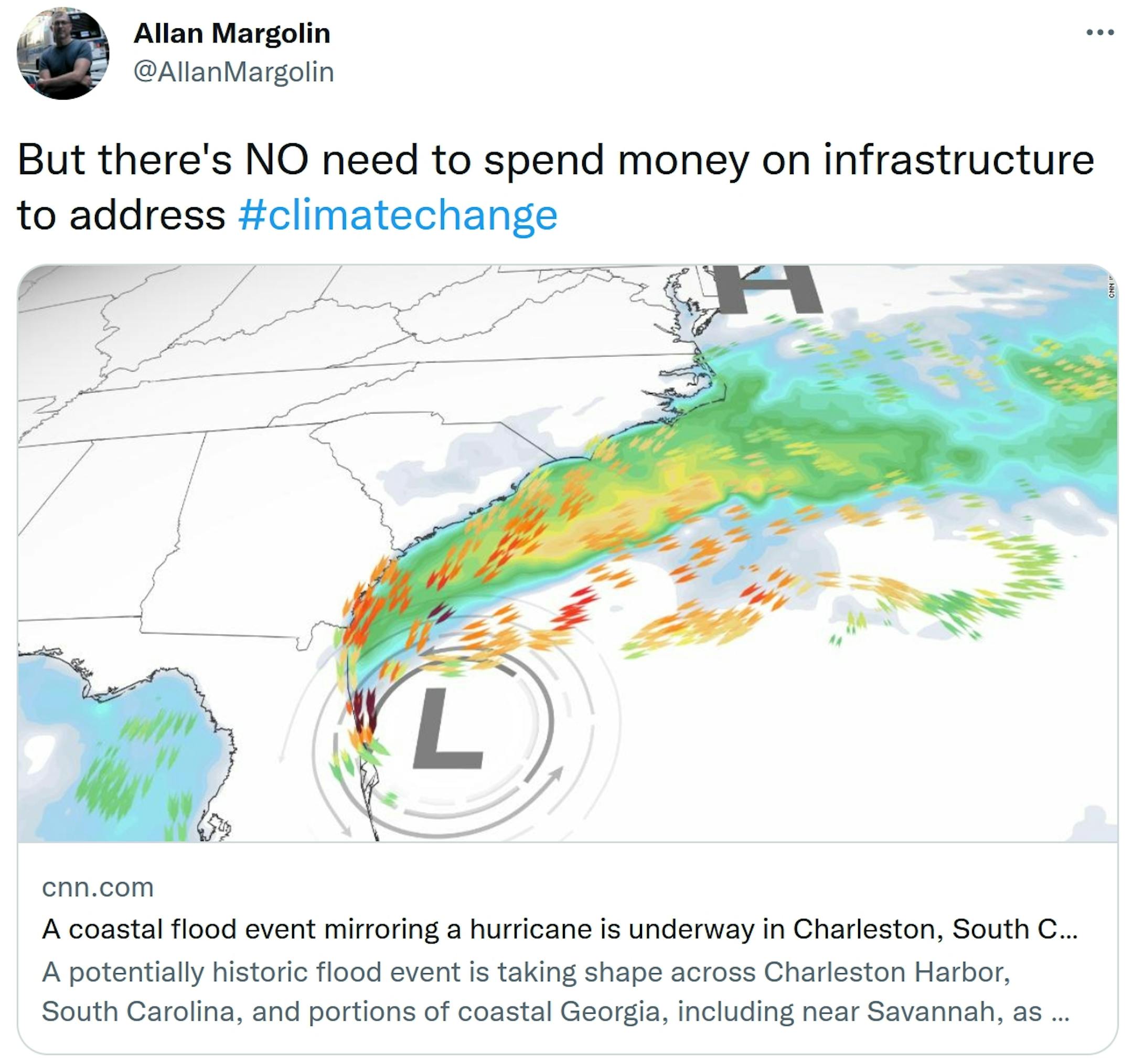
Major Coastal Flood Event, Similar to a Hurricane Storm Surge, Underway in Charleston, South Carolina. An extended stretch of high, onshore winds are to blame. CNN.com has details: "A potentially historic flood event is taking shape across Charleston Harbor, South Carolina, and portions of coastal Georgia, including near Savannah, as water levels will be at heights usually found in powerful hurricanes. The flooding will be exacerbated by a destructive combination of already higher-than-normal tides and a developing storm system, sending tide levels levels above 8 feet for Charleston and above 10.5 feet near Savannah, signaling major flood stage along the coast. "It looks like an almost perfect combination of astronomical influences and meteorological conditions," Blair Holloway, a meteorologist with the National Weather Service in Charleston, said..."
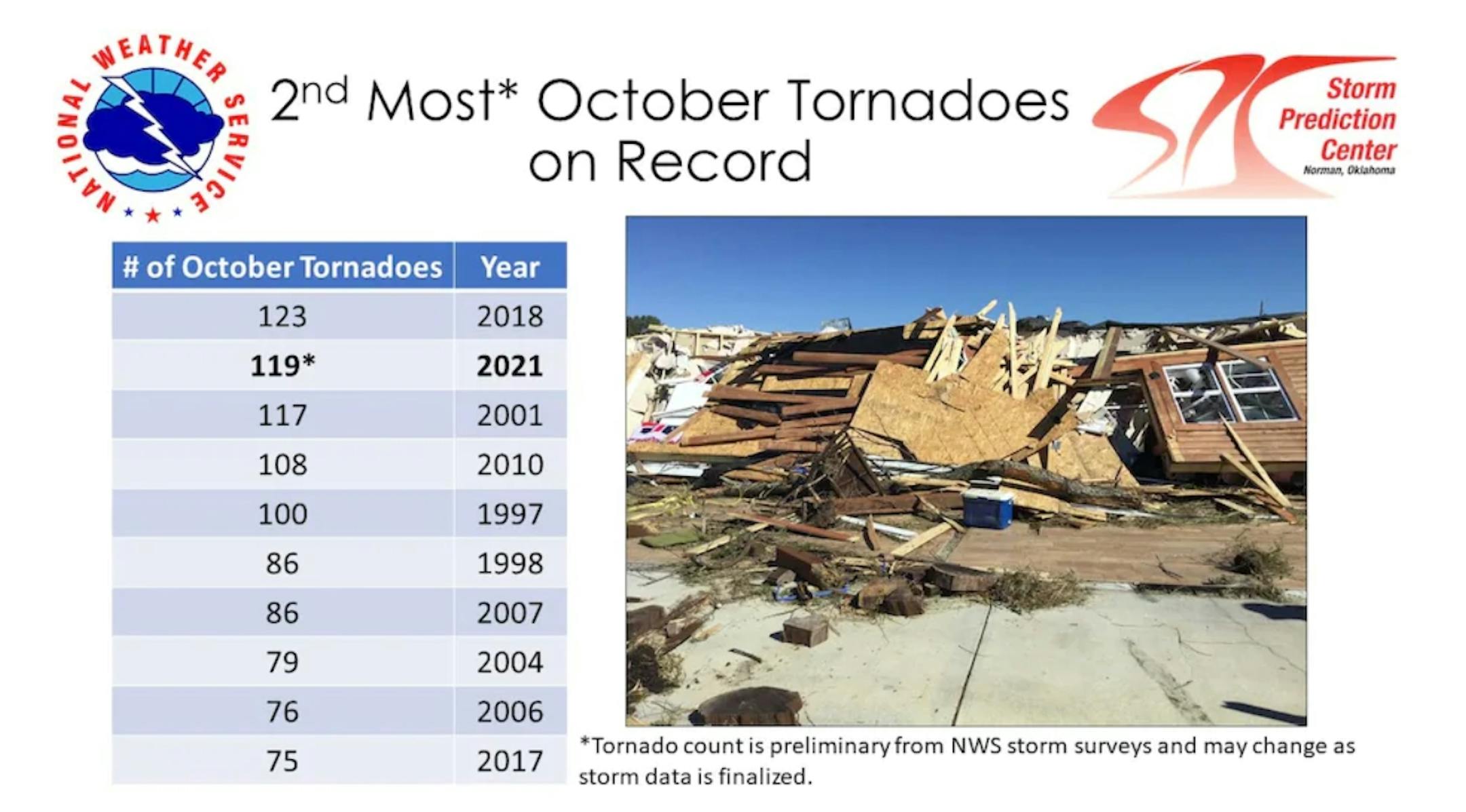
October 2021 tornadoes compared with other top years since 1950. (NWS Storm Prediction Center (SPC)/The Minnesota Star Tribune)
October Saw a Near-Record Number of Tornadoes in the United States. Capital Weather Gang has the details; here's an excerpt: "...A preliminary count pegs the October tornado count at 119, according to the National Weather Service Storm Prediction Center. This is about double the long-term average for the month. If the number stands, this October will rank second-highest for tornado touchdowns during the month, behind the 123 in October 2018. It is certainly possible that the October 2021 number will rise after all of the month's reports have been evaluated. Oklahoma, often a tornado magnet, more than doubled its October tornado count in 2021. Before the October onslaught, the year was atypically quiet across the Sooner State. Just 25 tornadoes had occurred. But 31 tornadoes occurred in four days during the month, more than doubling the yearly count and bringing the state close to its annual average..."
File image (Paul Douglas/The Minnesota Star Tribune)
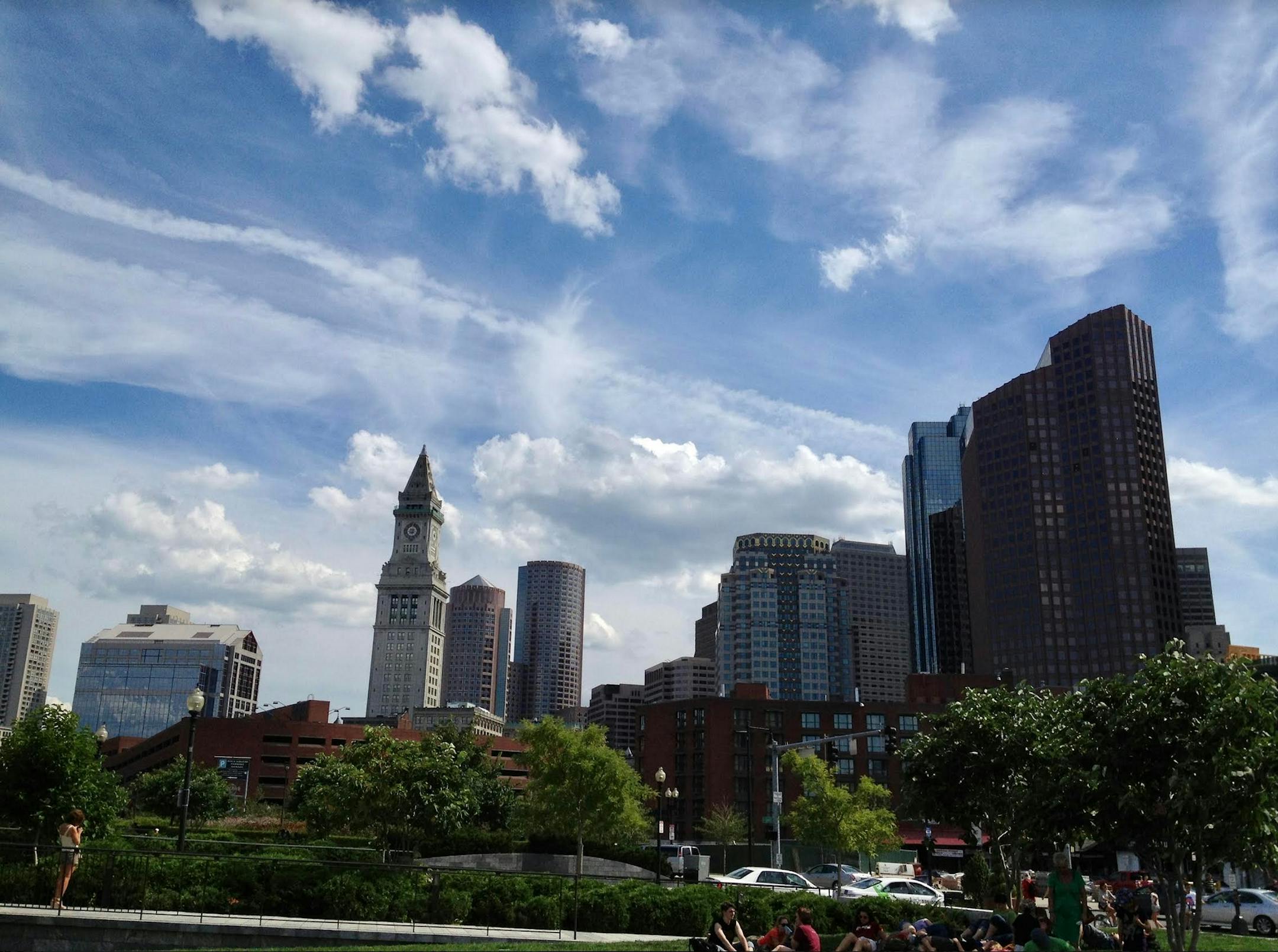
Boston Among US Cities Most Vulnerable to Hurricane Damage. An article at Laconia Daily Sun caught my eye; here's an excerpt: "...According to a recent report from CoreLogic — a property information, analytics, and data provider — nearly 8 million single-family homes are at risk of storm surge damage from hurricanes, and over 31 million homes are at risk of damage from hurricane winds nationwide. These risks are disproportionately shouldered by metropolitan areas along the Eastern Seaboard and along the Gulf of Mexico. Boston is one of only two metro areas in the Northeast to rank among the areas at risk of the most damage from hurricane storm surges in the nation. Over 159,000 single-family homes are at risk of storm surge damage in the Boston area. It would cost an estimated $54 billion to repair them. A total of 1.3 million area homes are at risk of hurricane wind damage..."
(Storm Water Solutions/The Minnesota Star Tribune)
Atmospheric River Storms Hit Parts of Northern and Central California. From drought to flood in the meteorological blink of an eye. Storm Water Solutions has the post; here's the intro: "Forecasters estimate that the atmospheric river storms that hit parts of northern and central California from Oct. 23 to 26 dropped 7.6 trillion gallons of rain. According to The San Diego Tribune, little of the rain fell in greater San Diego, which has drier soil. Ultimately, the atmospheric river fell apart as it moved south. The North Pacific storm that reached the Bay area on Nov. 1, and the one expected to arrive on Nov. 3 will not move into Southern California. "The jet stream is positioned to mostly go into the Pacific Northwest and northern California right now," said Stefani Sullivan, a forecaster at the weather service office in Rancho Bernardo, reported The San Diego Tribune. "But eventually some rain should come down here." Yosemite Park visitors saw Horsetail Fall on El Capitan flow, although it does not usually flow at this time of year. The flow is a result of the recent severe storms that swept through the area, creating the phenomenon known as a "firefall," reported CBS San Francisco..."