

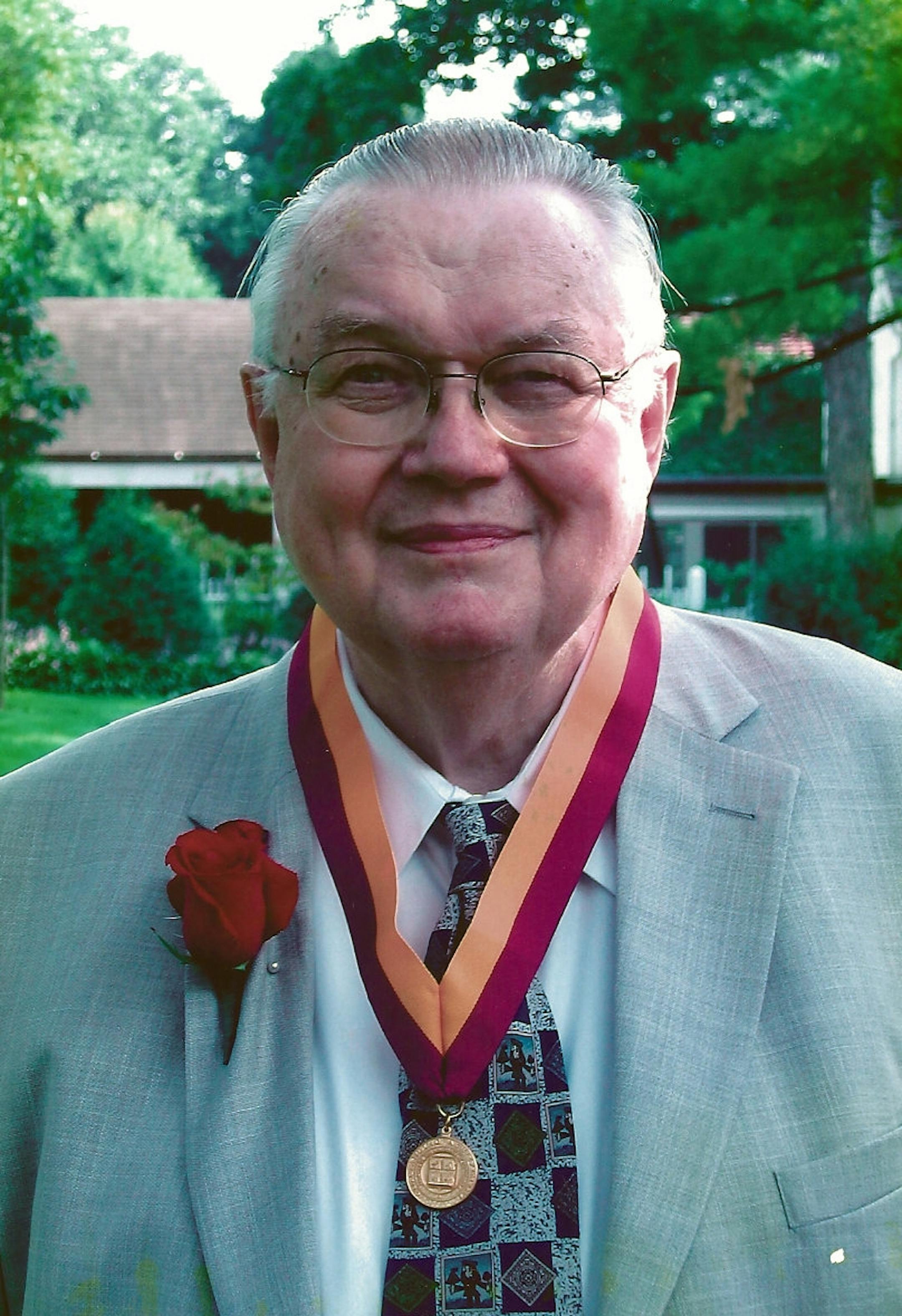
It used to be that children with disabilities were quickly labeled as "special ed" and sent to separate classrooms or even institutions. Then along came Maynard Reynolds with an idea to teach what he called "exceptional children" in the same classrooms as the other children.
"People were just a little bit horrified," said Sue Rose, coordinator of Special Education Programs at the University of Minnesota and a longtime colleague. "They said, 'You're taking these kids who have problems and keeping them in a general education classroom where regular education teachers don't know how to work with them. His premise was 'let's do a better job of teaching all kids well across the board.'"
Today, Maynard's idea of "adaptive mainstreaming" is practiced across the country.
"He really helped to shape special education in the United States," Rose said. "He was a very large figure. He really formulated a lot of the concepts we are working with today."
Reynolds, the former chairman of the U's Department of Special Education and a professor there for 38 years, died Tuesday at his home in North Oaks. He was 90.
Reynolds was born in a small North Dakota town on Feb. 16, 1922. When he was a boy, he moved with his family to northern Minnesota.
His interests in teaching and perhaps in teaching exceptional children probably were shaped by watching his parents overcome adversity, said his son, John Reynolds.
Maynard's mother taught elementary school, even after she developed glaucoma that left her nearly 100 percent blind, John Reynolds said. Not only did she continue to teach, she also earned her bachelor of science degree. Meanwhile, Maynard's father lost his hearing.


