

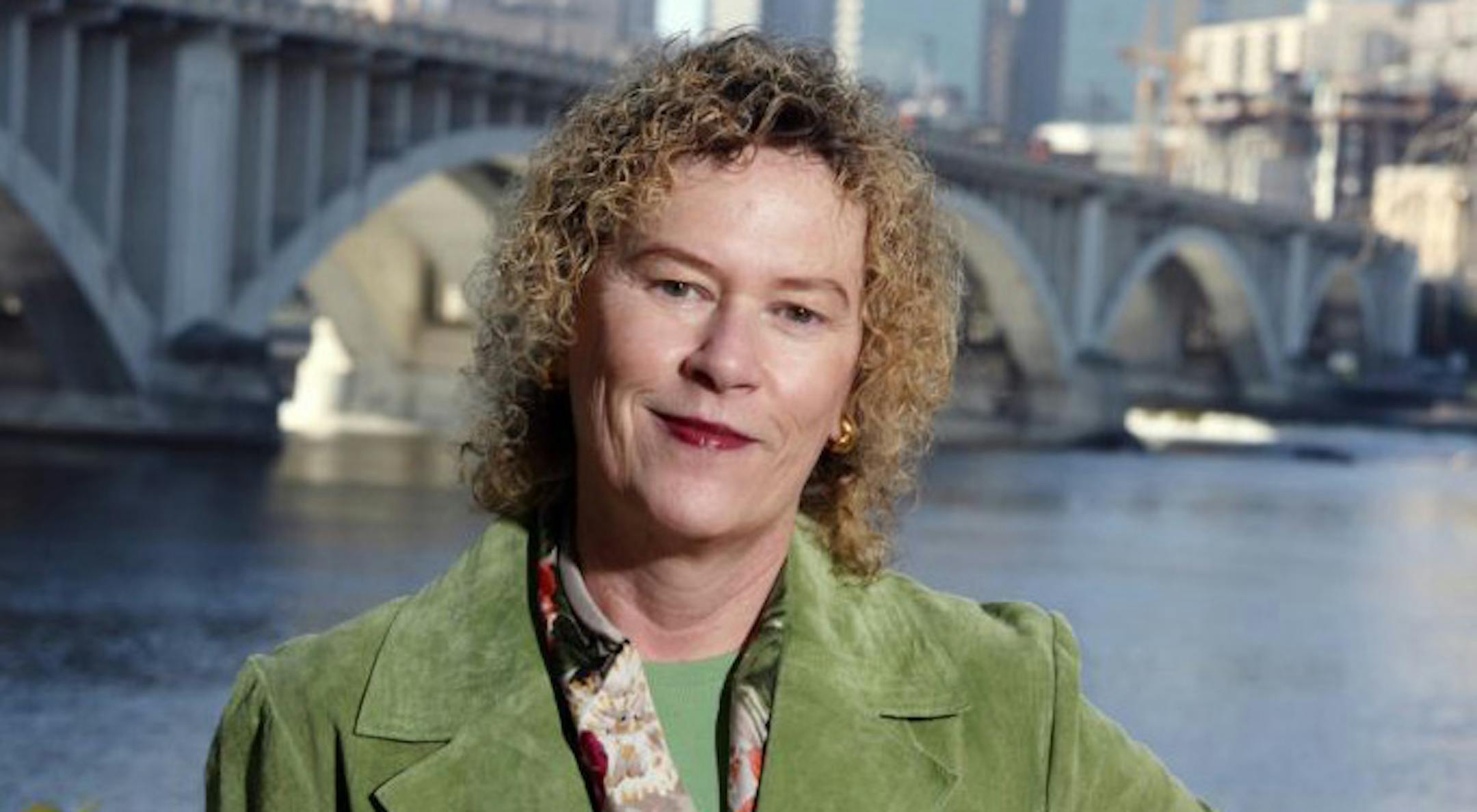
Geographer Judith Martin, who shaped the Twin Cities landscape perhaps more than any academic of her era, died early Monday of complications from treatment for a recurrence of breast cancer. She was 63.
While Martin taught a generation of urban studies students at the University of Minnesota, she also jumped into the nitty-gritty of planning, serving 15 years on the Minneapolis Planning Commission, eight of them at its helm. She played a major role in rewriting the city's zoning code and the comprehensive plan that undergirds it.
"She was a tireless advocate for the city," said City Council Member Gary Schiff, who worked closely on city planning matters with her. "She inspired legions of students at the University of Minnesota to fight for a better urban environment."
"She was a bridge from the ivory tower to City Hall and from theory to practice," Schiff said. "Everyone should learn her name, because we all live in a better city because of her."
Martin founded the university's Urban Studies Program and played a role in university governance, including a stint leading the Faculty Consultative Committee, the main conduit between the faculty and administration. But she was also an early leader in encouraging faculty to engage with communities off campus, according to faculty friend Marti Hope Gonzales.
"She had an enormous impact on this community," said Linda Mack, a Heritage Preservation Commission member and longtime urban design writer. "The academic work was really groundbreaking in terms of being about the community and its history and its neighborhoods. It came out of the caldron of the 1960s, where this was not about academic work but about making better places."
Martin lived on Nicollet Island in a building that had been slated for demolition, reserving the first townhouse while the building was still a shell. She prized the island for its quiet. "She loved to go down to the river and sit," neighbor Edna Brazaitis said.
Martin was passionate about the Fringe Festival, on whose board she served, and local fine arts, Hope Gonzales said.


