

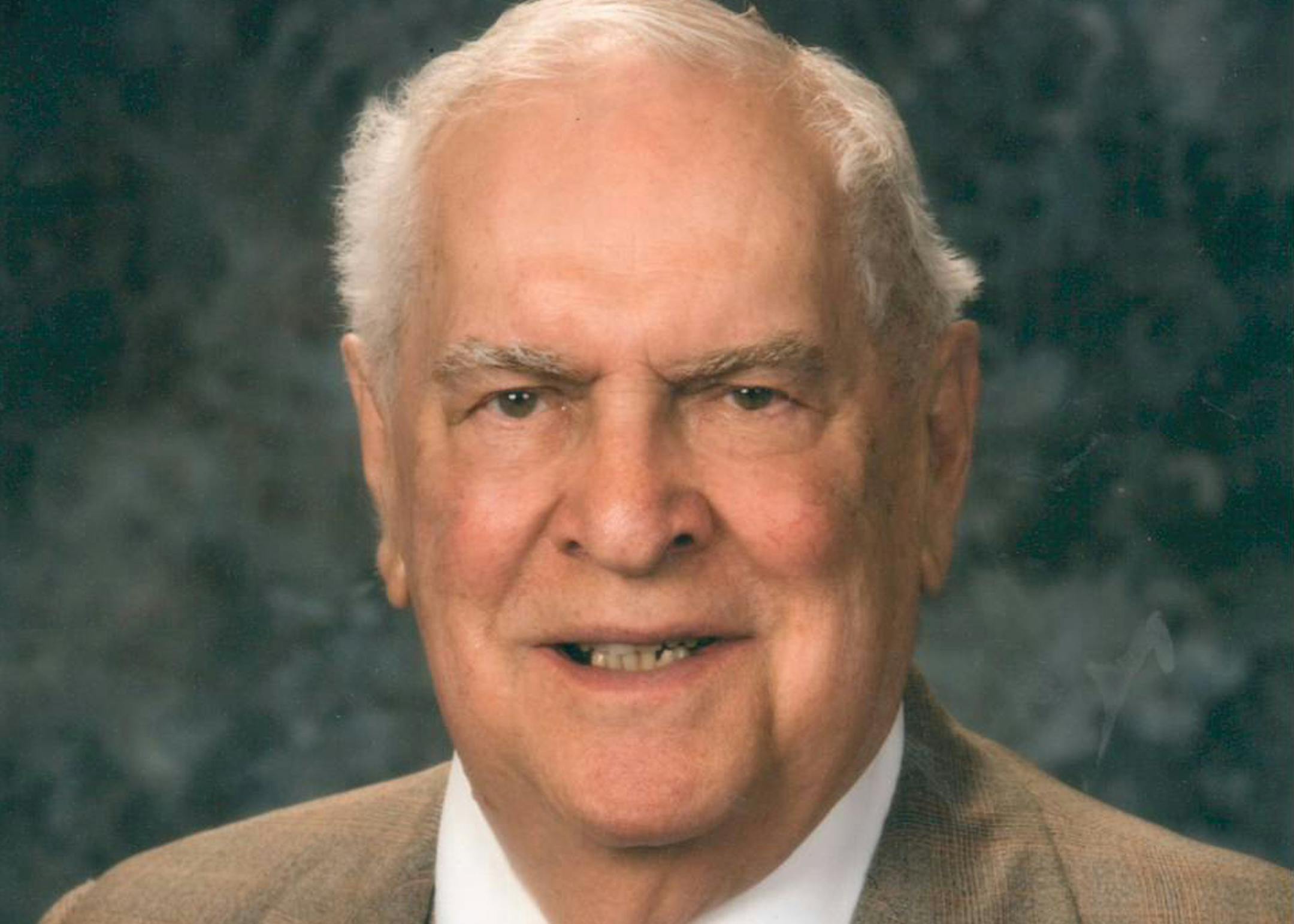
He worked in silver mines in Colorado and oil fields in Wyoming, listened in on Russian communications while in the Air Force in Alaska, and served as city engineer in Eden Prairie and New Brighton.
But it was his extracurricular pursuits -- specifically, his passion for singing and playing traditional American music -- that brought Quentin K. Wood recognition until his death in August at age 79.
"He loved his Dixieland and he loved his barbershop harmony," said Wes Hatlestad, who along with Wood performed in the Minneapolis Commodores, a barbershop chorus, and in the Dixiedores, a spinoff band that Wood, a self-taught trumpet player, helped found.
Various incarnations of the Commodores have been singing their a cappella harmonies since 1944, and while their ranks have thinned in recent years, the group has a following large enough that annual shows still have been staged at Benson Great Hall at Bethel University in Arden Hills.
At one time, however, the Commodores were popular enough to fill Northrop Auditorium at the University of Minnesota.
There, in 1992, Wood served as chairman of the annual show -- the first of three such opportunities -- a role that required him to choose the show's theme and to help with the writing of skits and selection of songs.
"It's quite a job," said Hatlestad, who held the position in 1995, and figured once was enough for him. He couldn't recall the specifics of the Wood-helmed shows, "Summer Sounds," "Tin Pan Alley" and "There's No Business Like Show Business," but said one could wager that the Dixiedores had prominent roles in them.
Wood sang bass in the barbershop chorus, but the trumpet was his first love.


