

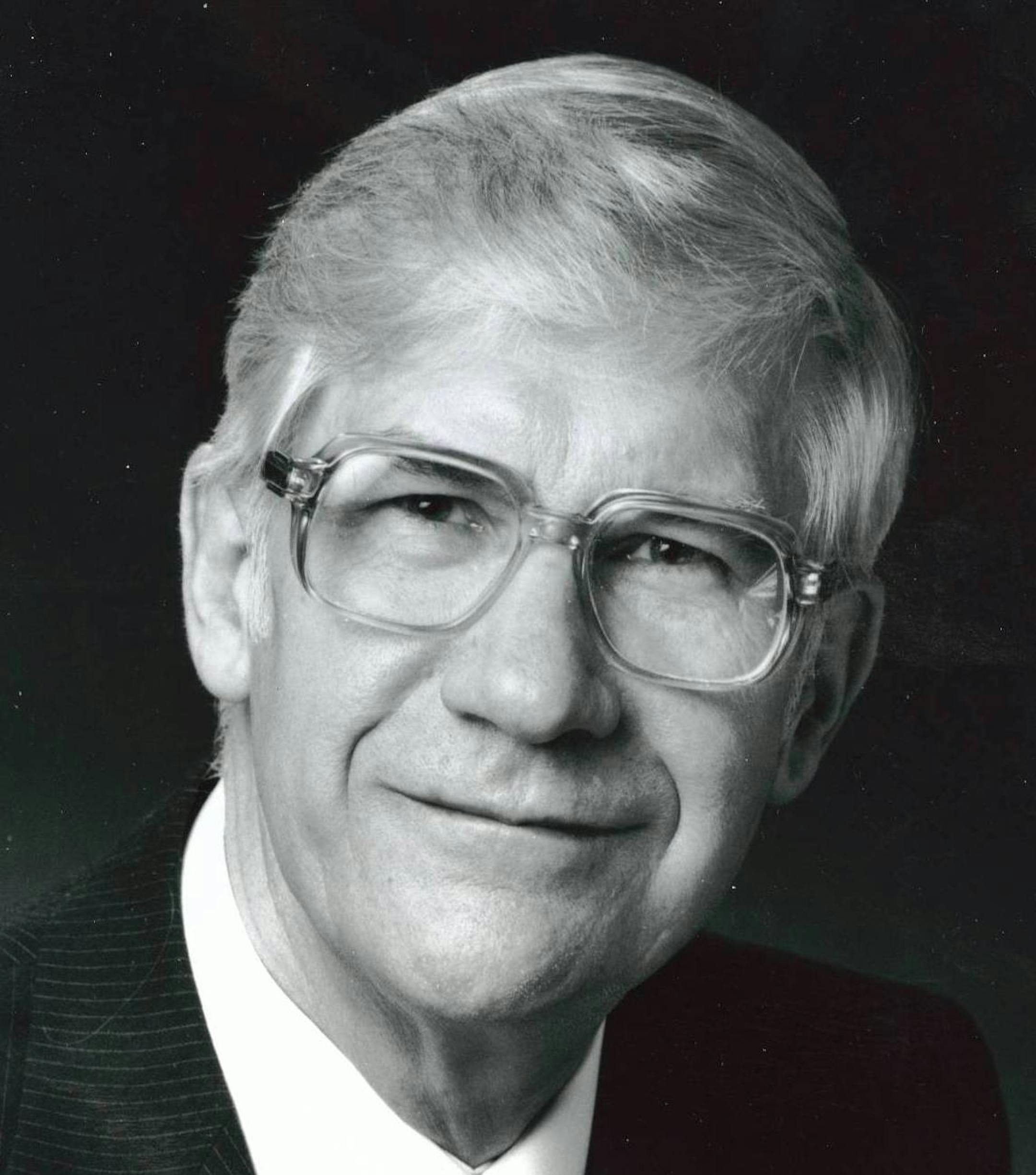
He intended to study physics, wondering if science and religion could be melded together. But the more he studied, the more Lyle Christianson felt a calling to go into ministry. He eventually became a Methodist minister and by the time he retired in 1991 he presided over Minnesota churches that were open to all people, including gays and lesbians.
After he died on April 16 at the age of 87, a former partner of one Christianson's nieces sent the family a card saying how in the 1970s, the minister was one of the first to welcome her into a church.
"He embraced her as a member of his own family," said Christianson's daughter, Janet Johnson.
Christianson was heavily influenced by a former professor, Paul Tillich, a German-American theologian and philosopher. Christianson would often repeat the words that Tillich taught him, "Teach your congregation that you are accepted," said the Rev. Ken Rice, a retired Methodist minister in Roseville.
Christianson was also influenced by his experiences during World War II, said his son, Paul Christianson. He was drafted, and served in the Army Counter Intelligence Corps in Germany. Paul Christianson said his father knew his life was probably saved by the dropping of the atomic bomb, but he also lost a friend from high school to the war.
"Saying goodbye to a friend shaped his desire to wage peace in the world," Paul Christianson said.
During his ministry, both he and his wife, Dorothy Anne, became active in social justice and peace movements, taking numerous trips to the Middle East to advocate on those issues. He went to several national Methodist conferences where he advocated for support of gays and lesbians in worship. He helped bring a group of farmers from lands ravaged by famine in Africa to Minnesota. Having grown up on a farm near Crookston, he taught them growing techniques they could take back with them, said another Christianson son, David.
His laugh and sense of humor were infectious, said his daughter Janet. He dressed up as Lena with his grandson to perform Ole and Lena routines. He once took pictures of misshapen carrots he grew in his garden and used them in a slide show he presented to other pastors as symbolizing them. He was known for driving a 1956 Ford willed to him by a parishioner. At one point, said his daughter, it would only drive backward, so he drove it that way for three blocks to his mechanic's shop.


