

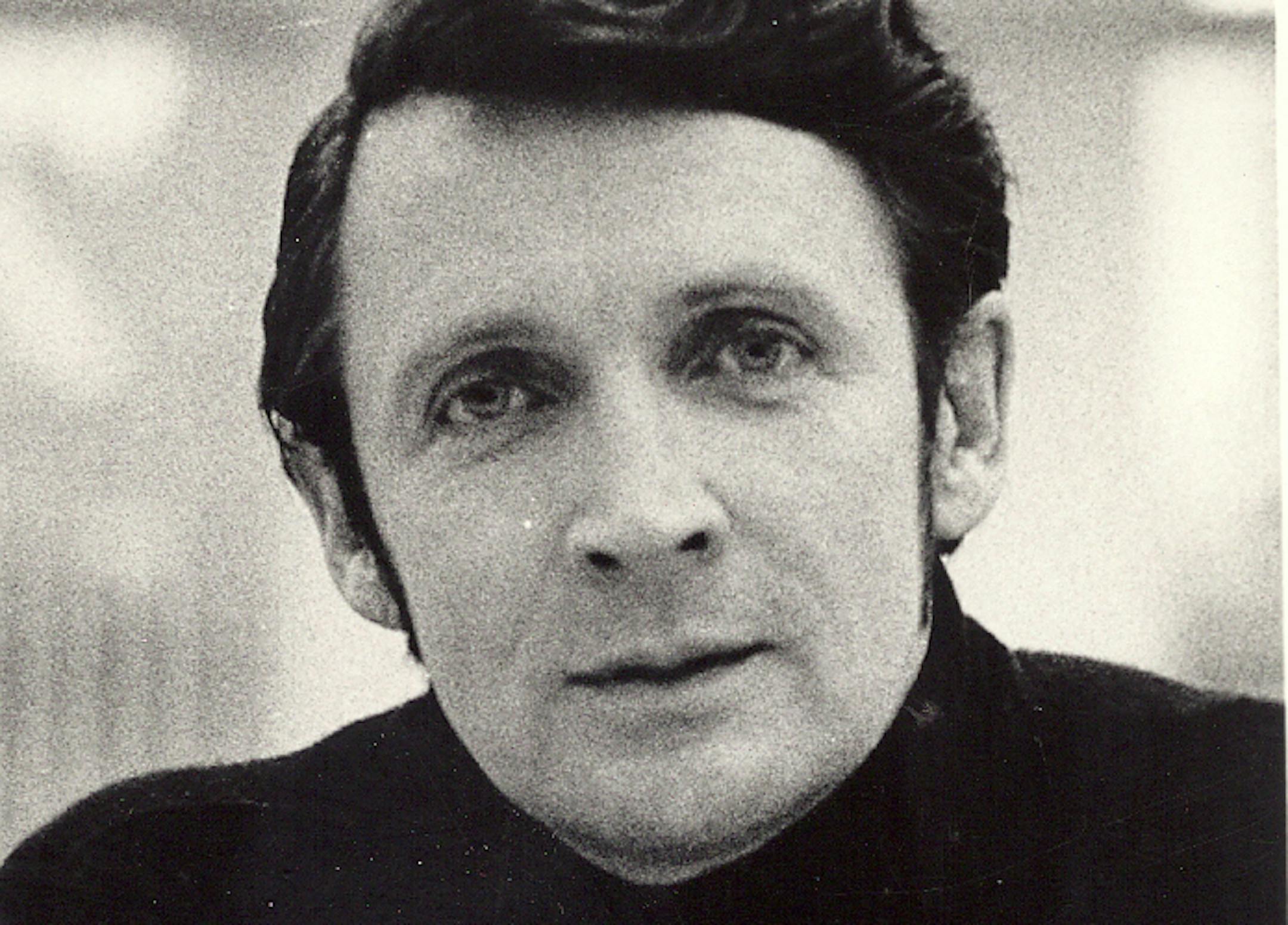
During the 21 years Robert T. Smith wrote columns for the Minneapolis Tribune, the paper received many letters about him.
"Robert T. Smith is a breath of fresh air this stuffy, pompous generation of ours needs," Alice Hauan of Brookings, S.D., wrote on Dec. 12, 1969. But there was also a one-sentence blast from Nat Ewing of Dellwood, Minn.: "I have read trash in my life, but that which flows from the pen of Robert T. Smith wins first prize."
Such delight and derision could mean only one thing: Smith was doing his job.
Smith, a storied city editor and columnist, died of complications from Alzheimer's disease on Thursday at Presbyterian Homes in Arden Hills. He was 86.
In his heyday, when journalistic personality was as important as professional prowess, Smith was a star in a colorful, hard-living cast of Twin Cities newspaper people. From 1968 to 1989, his deceptively solemn eyes gazed out of the photo that accompanied his columns. His gifts for storytelling and connecting with common folks -- novelist Jon Hassler called him "Chekhov in shorthand" -- made him a favorite of many readers.
Smith was born in Minneapolis and graduated from DeLaSalle High School in 1943, said his son, Bryan, of Maplewood. He earned a bachelor's degree in chemistry from the University of Minnesota in 18 months before serving as a Navy communications officer in the South Pacific during WWII. Smith worked as a police reporter at the Minneapolis Times. When it folded, he moved to the Minneapolis Tribune with Sid Hartman and Barbara Flanagan. By 1956, he was city editor.
"Newspapers didn't start getting serious about the kind of news they offered until after World War II, and in the 1950s, the Trib was running with the head of the pack," sending journalists around the nation and world, said Edwin Goodpaster, who worked with Smith early in his career and now lives in Baltimore. "The paper teamed that with first-class local news, and the Robert T. Smith I remember was the epitome of the personality that was sure to survive in the midst of all that big-gun firepower. He was, down to the bone, an old-fashioned storyteller."
Smith also developed a reputation for mentoring younger journalists. "His relaxed, wisecrack demeanor took some of the scare out of them, but he held them to a set of standards," Goodpaster said. "There were no lectures on good journalism, just some guidelines. ... Report the story, write the story and try to make it as interesting and readable as you can."


